Cybele Lyle
The Treasure of the Sierra Madre
January 16 - February 28, 2026
Reception: Friday January 16, 5:00 -8:00 p.m.
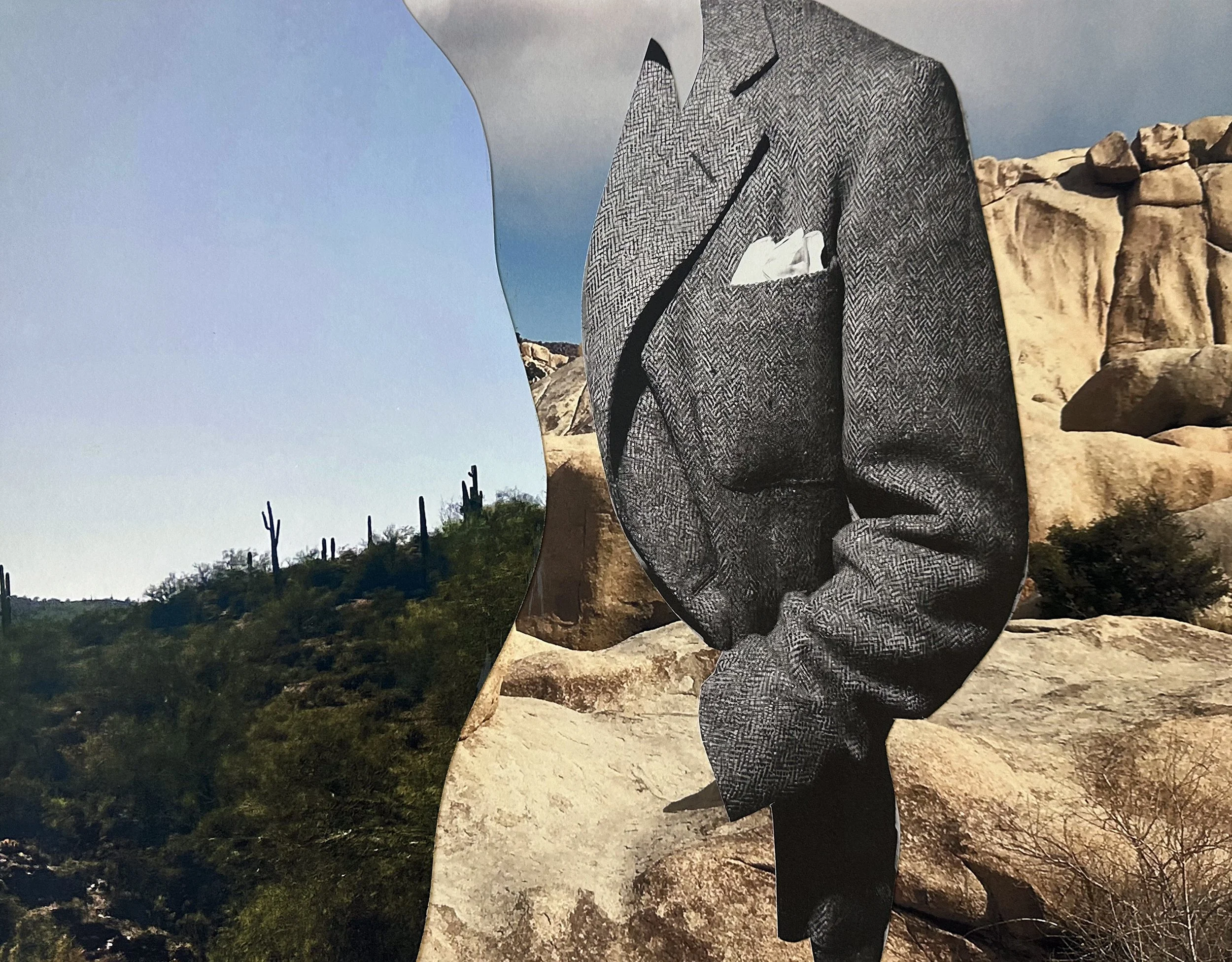
I grew up a big fan of Humphrey Bogart, fondly remembering watching his films with my family, observing his iconic swagger and fast-talking characters winning over the likes of Lauren Bacall. I was most drawn to his film noir movies such as Key Largo and The Maltese Falcon. When I came across The Treasure of the Sierra Madre in my late teens, I was excited to watch it.
My family had moved to the town of Sierra Madre, California when I was nine years old.The move—from flat, bike-friendly Pasadena to a home at the top of a hill at the base of the San Gabriel Mountains—was difficult and isolating. The idea that Sierra Madre was "treasured" by Bogart felt like a promise, offering a way into loving this unfamiliar place.
But the movie let me down. The treasured Sierra Madre wasn't my town at all—it was a mountain range in Mexico. It also wasn't film noir with the Bogart characters I was so drawn to. Instead, it was a Western, featuring a scraggy, dusty, un-charming version of Bogart.
After many years away from Southern California, I now live in Los Angeles, just ten miles south of Sierra Madre. I have since developed a deep love for the town and the home I grew up in. Recently rewatching The Treasure of the Sierra Madre with this exhibition in mind, I was surprised to enjoy it. While much of the film was shot on location in Mexico's Sierra Madre Occidental Mountains, some scenes were filmed in the nearby Mojave Desert—the same desert I disliked as a child and now love as an adult.
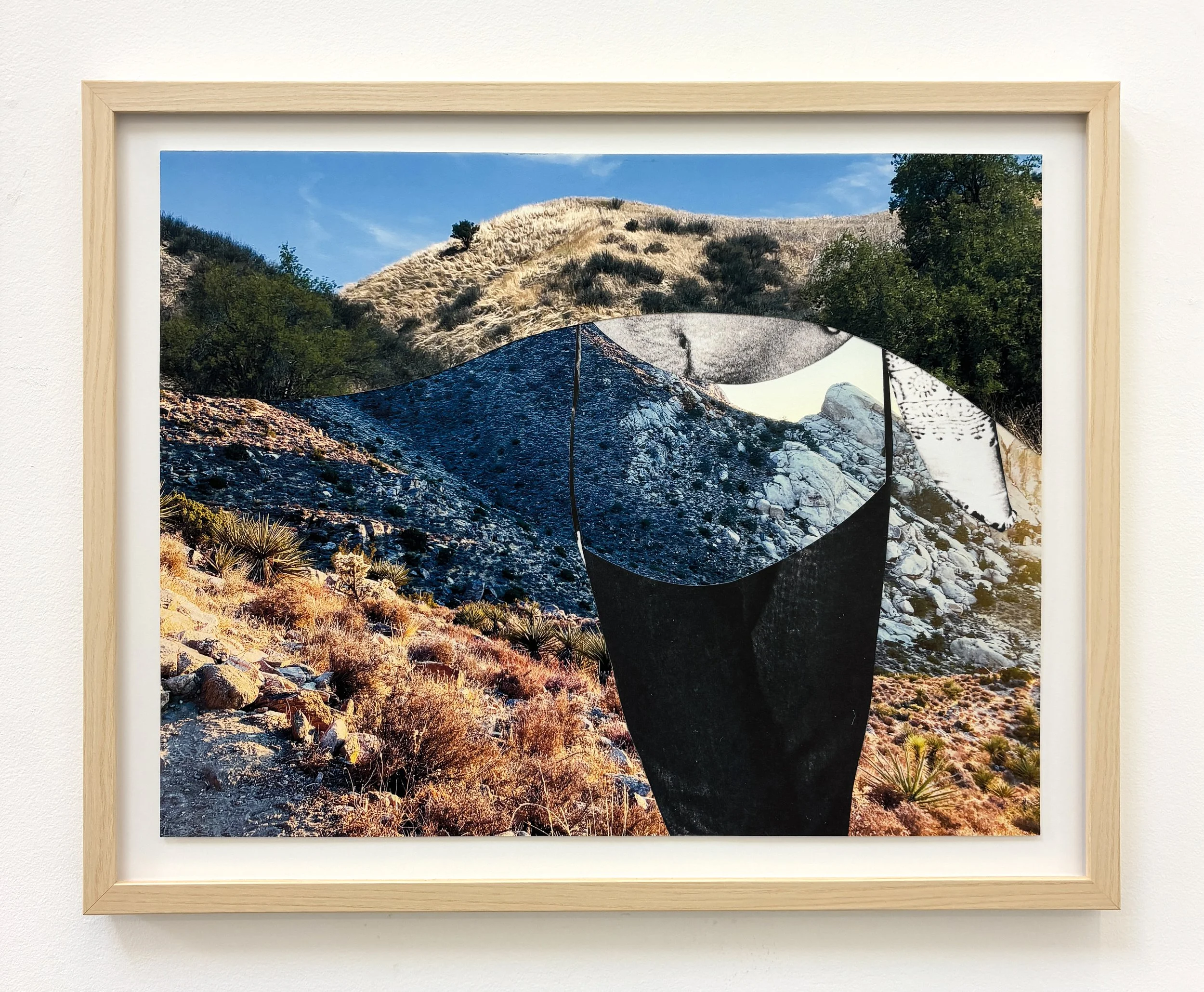
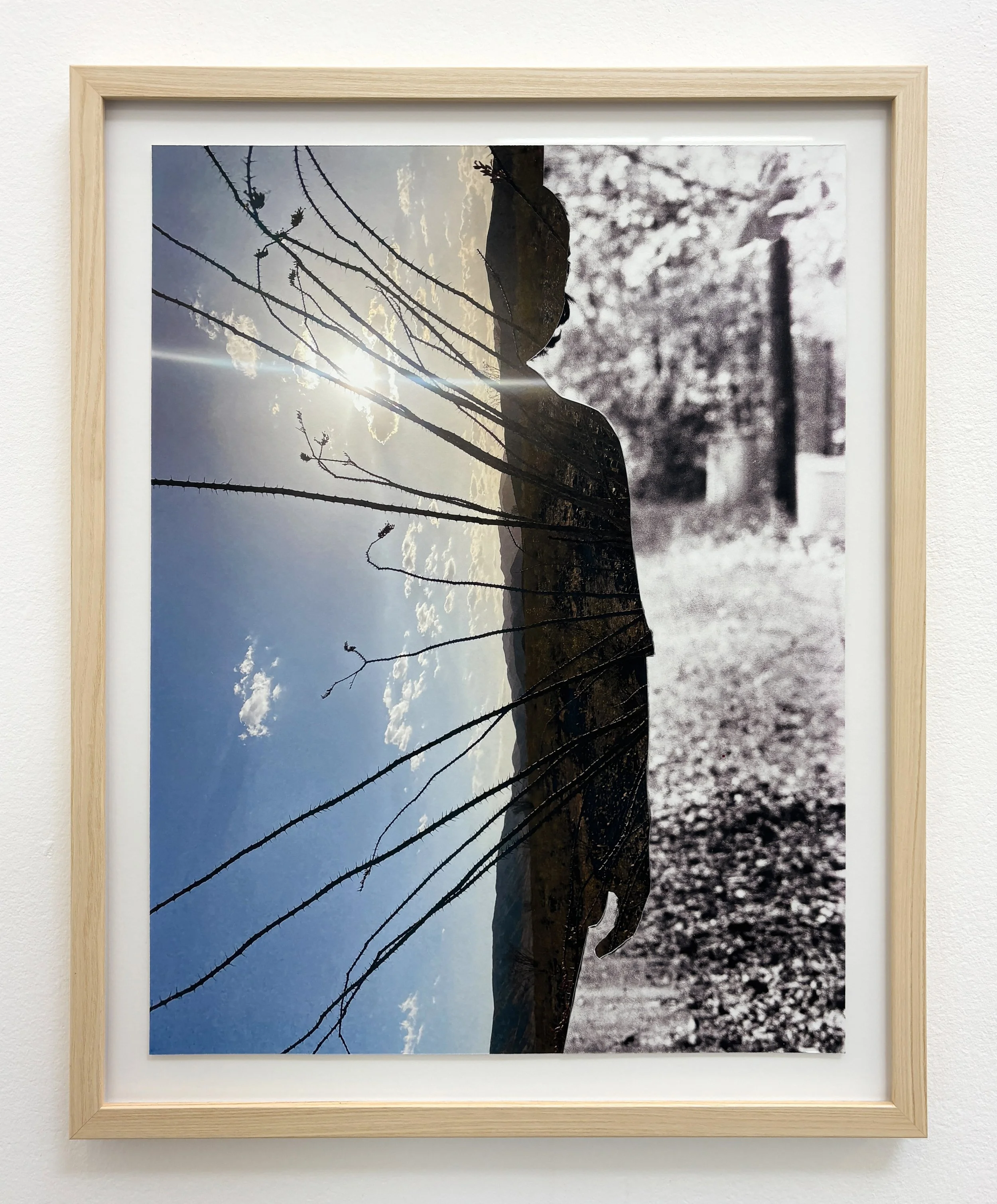
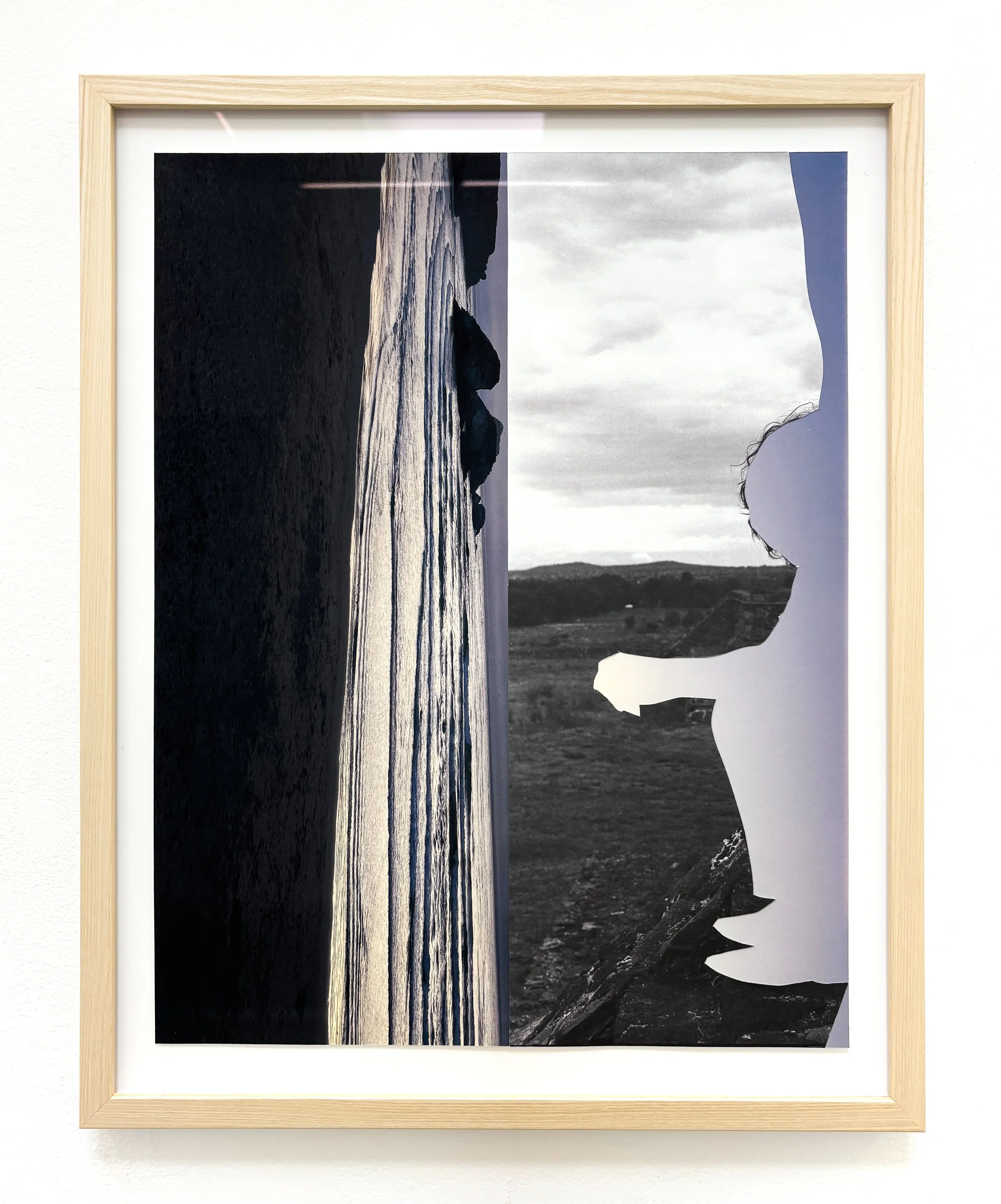
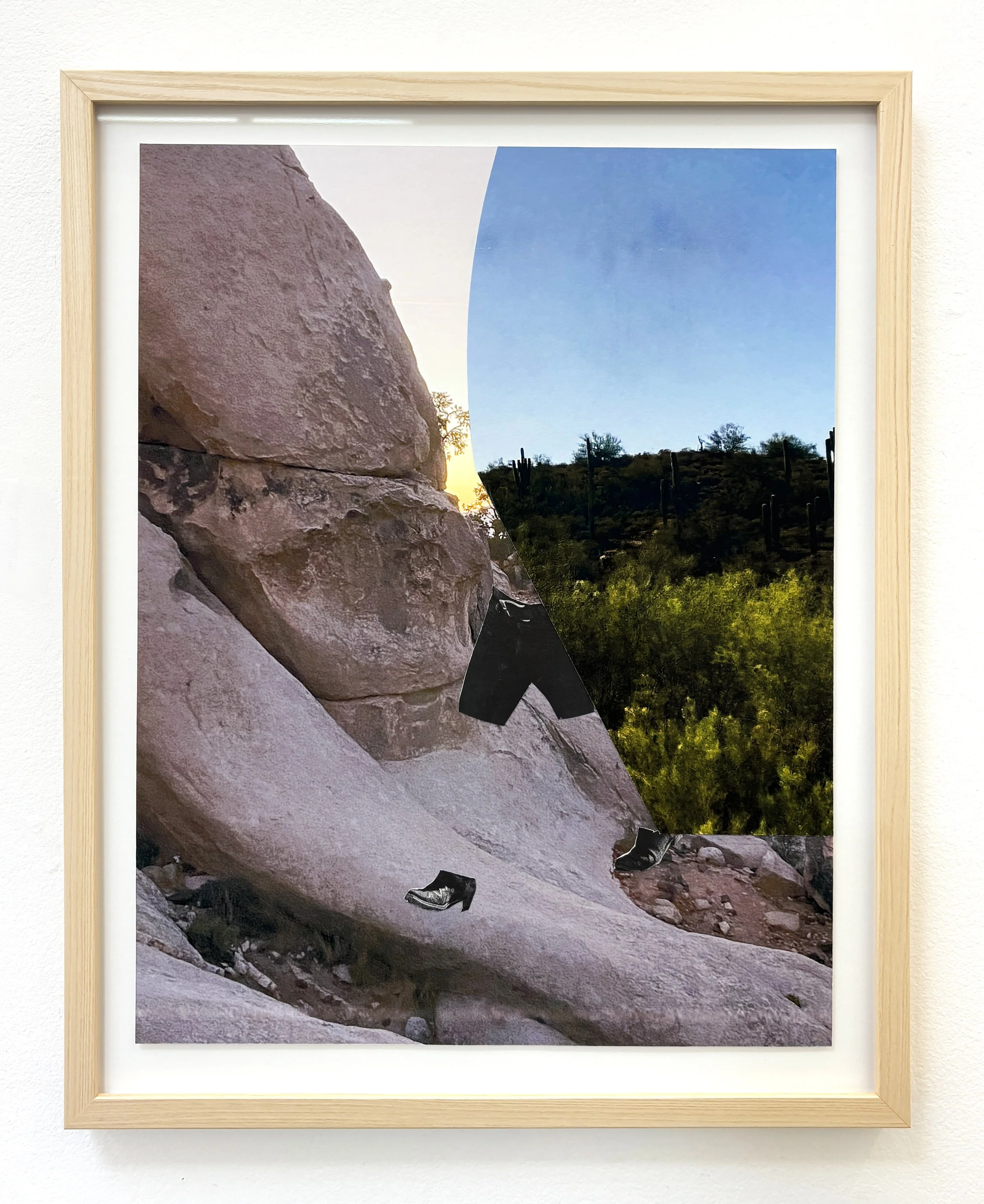
In The Treasure of the Sierra Madre, I'm thinking about home, fragmentation, permission, and the formation of self through three bodies of work.
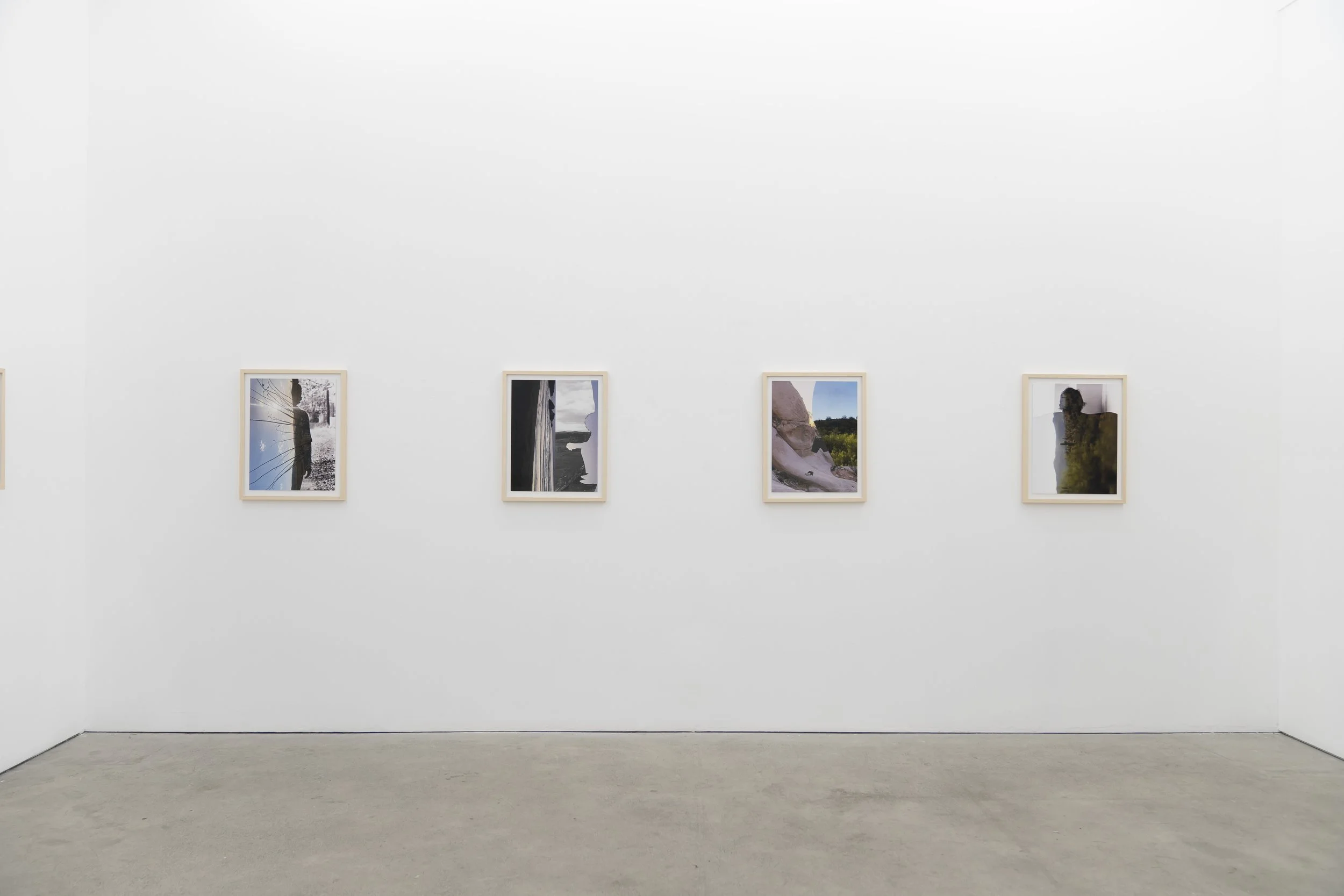
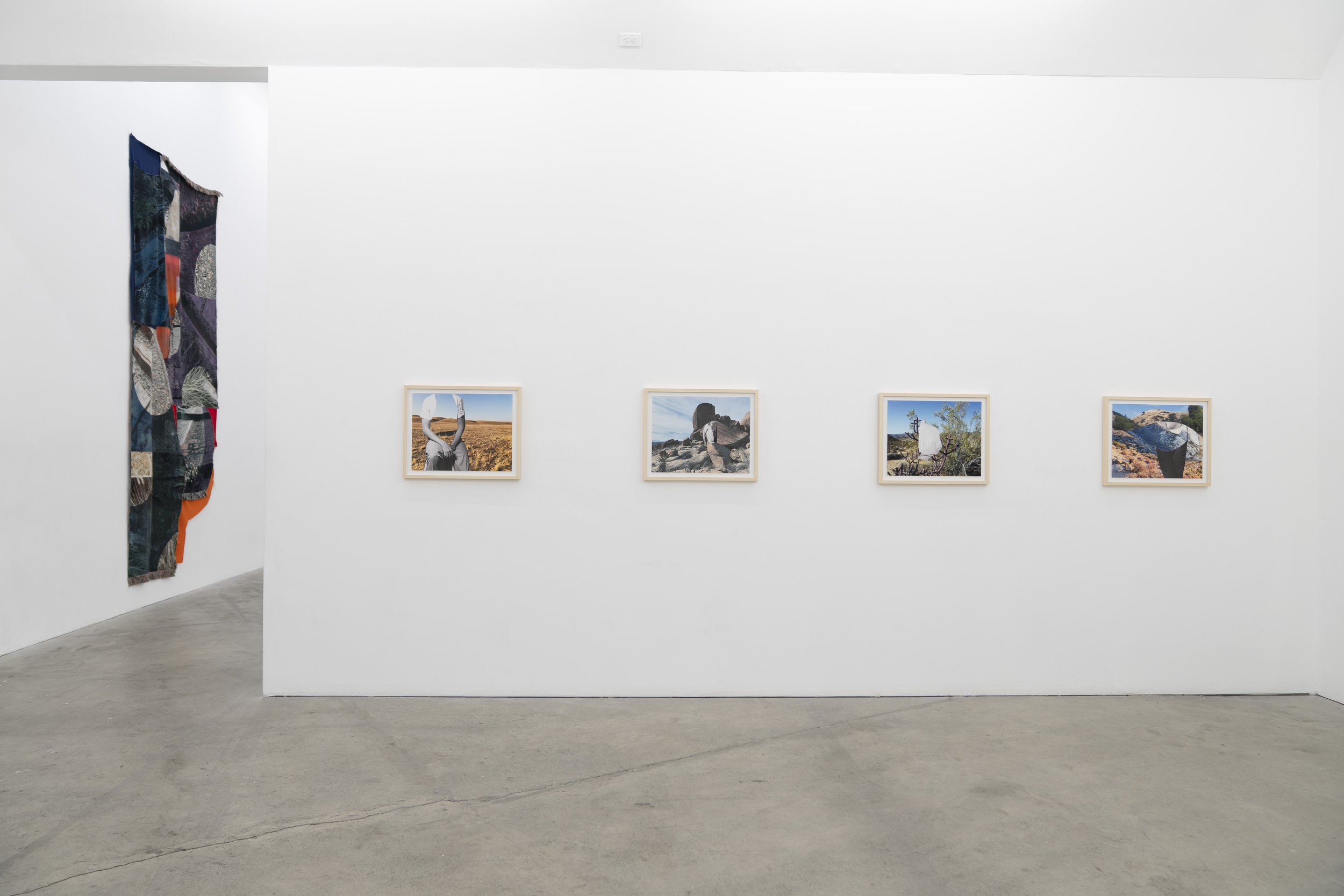
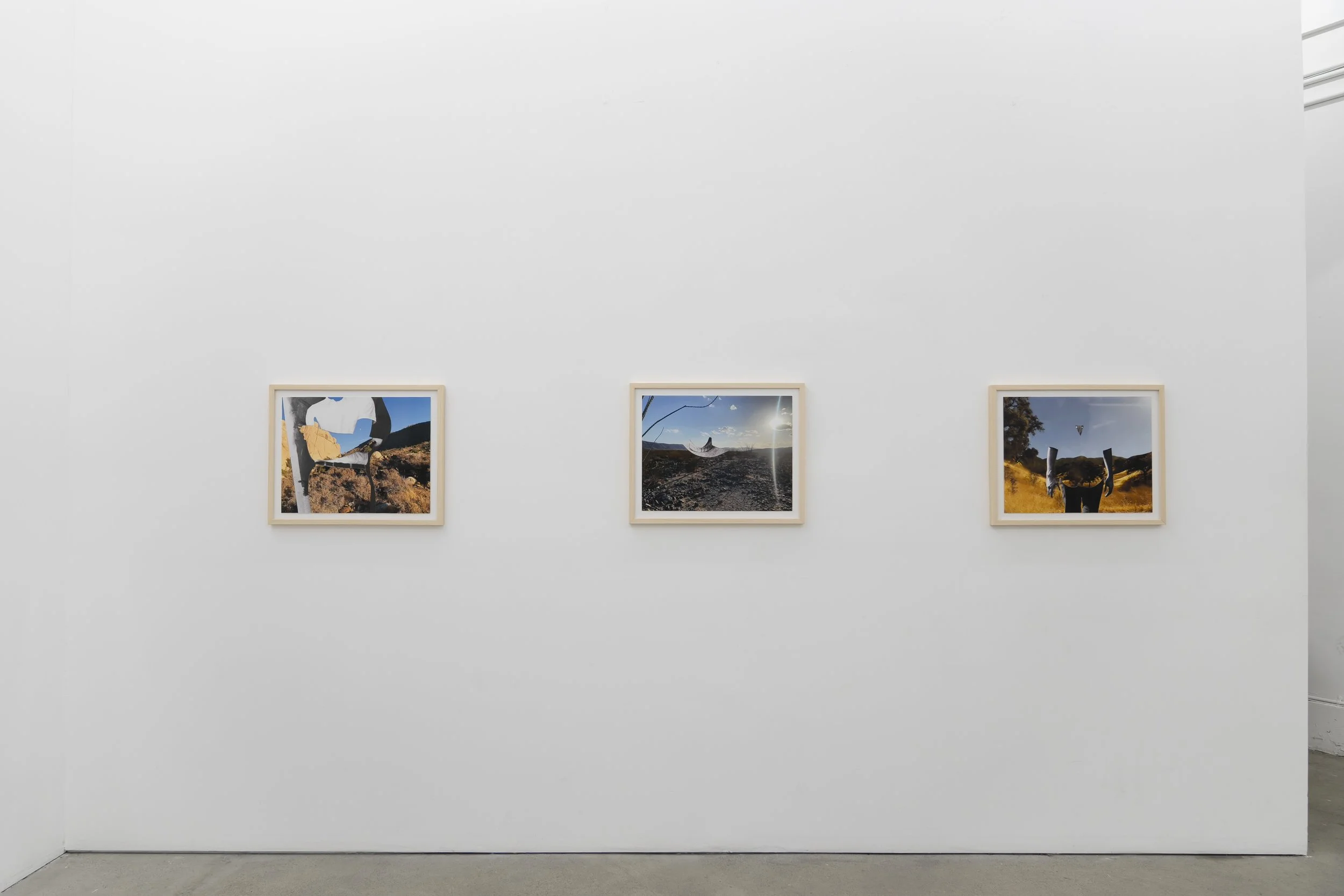
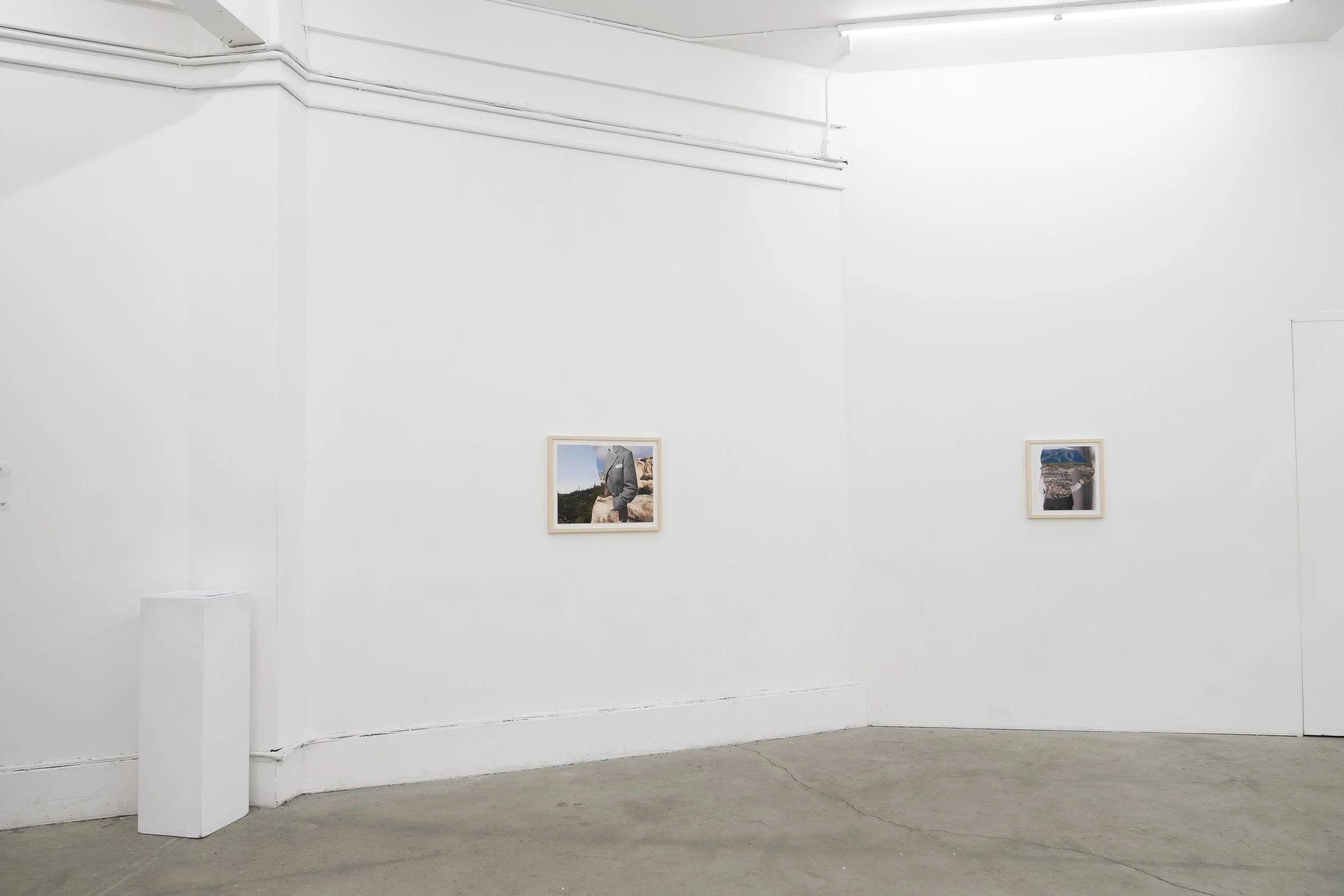
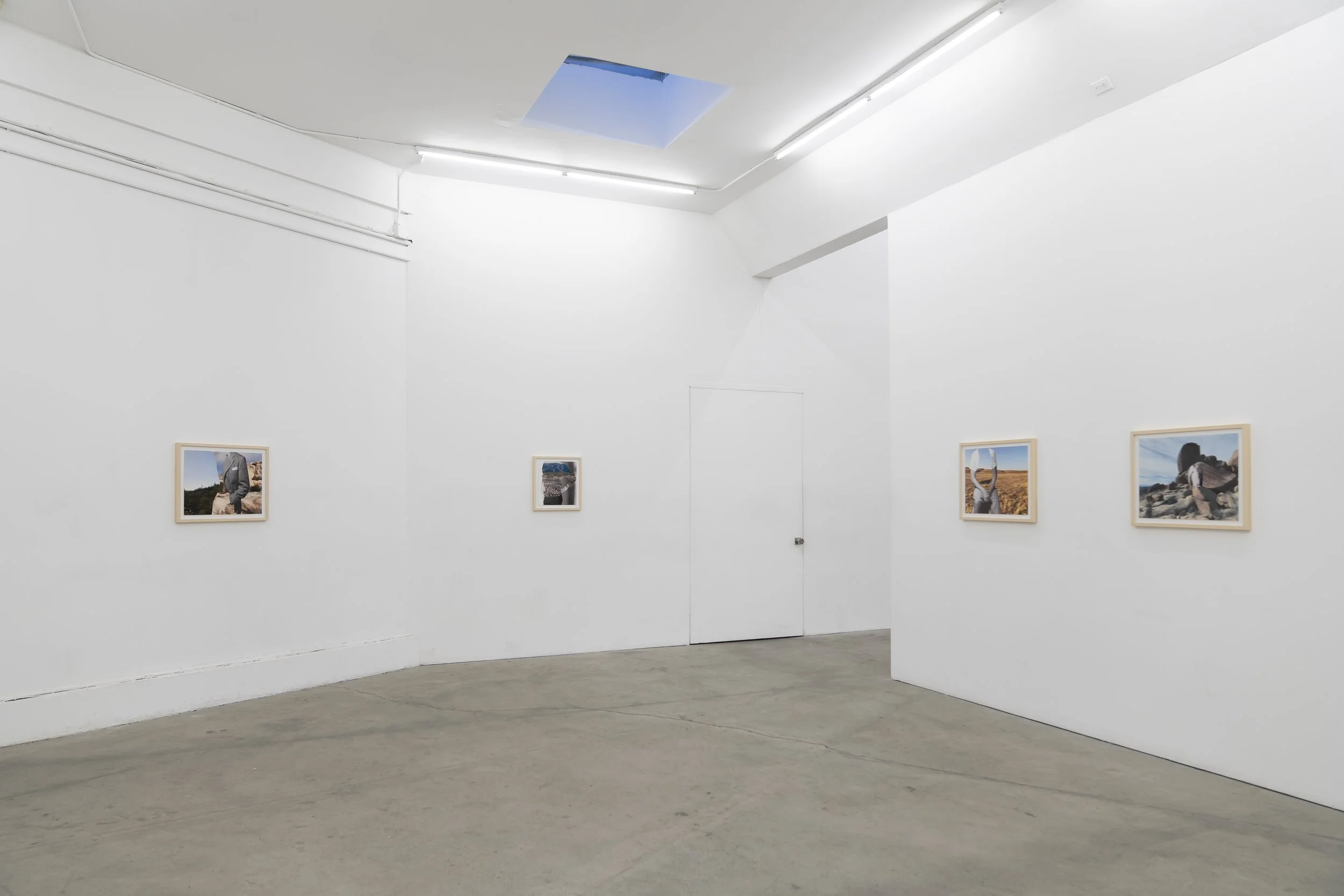
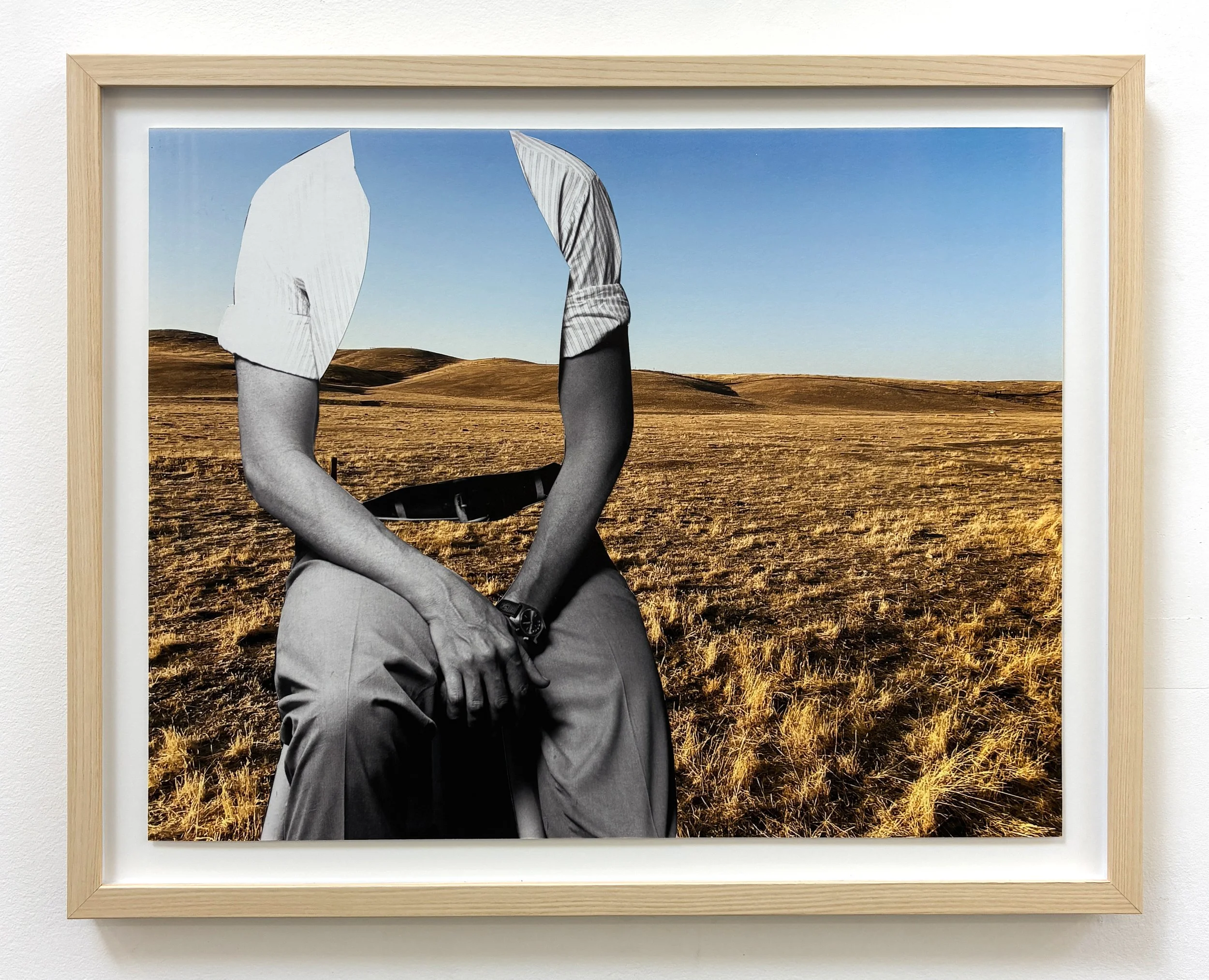
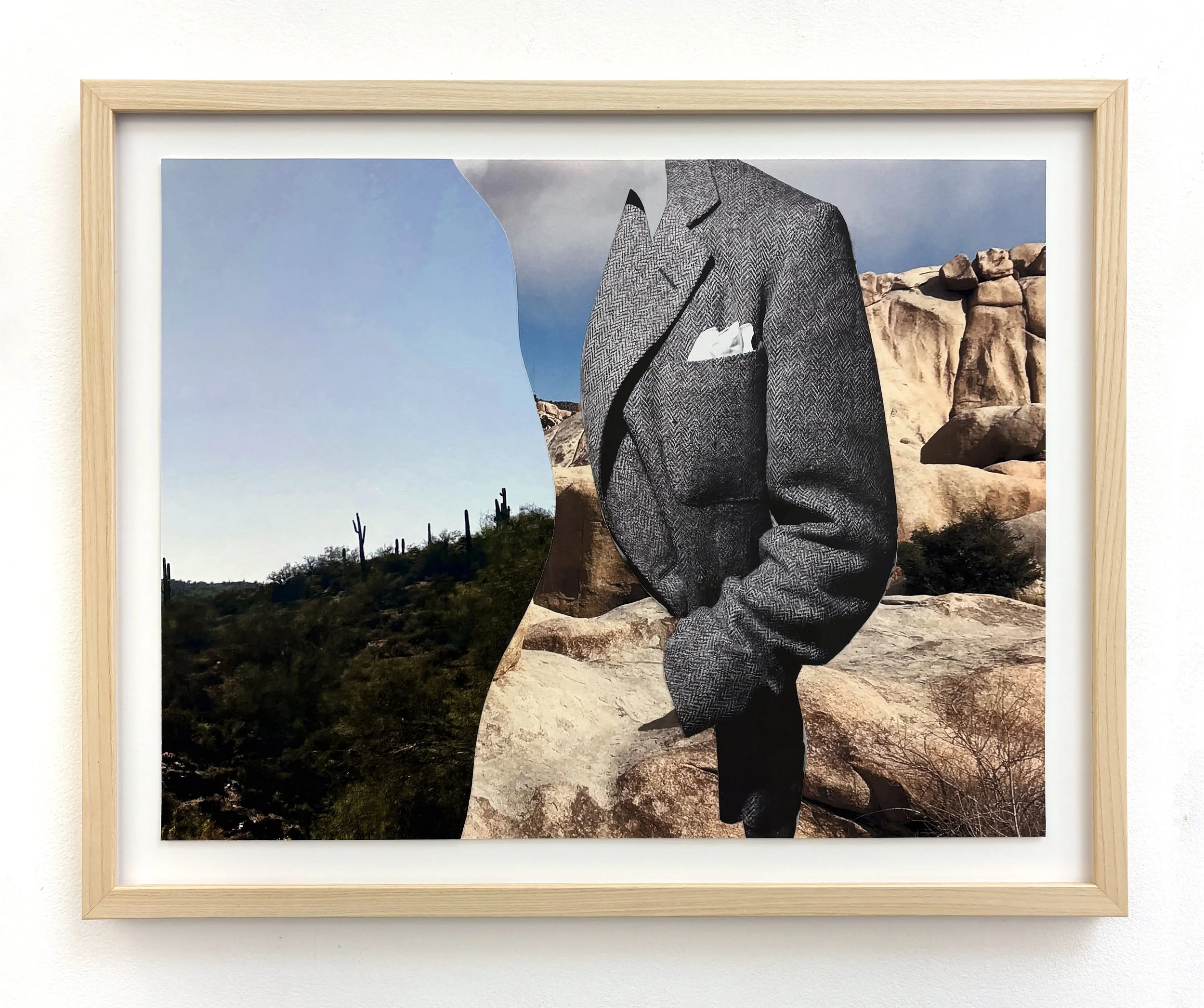
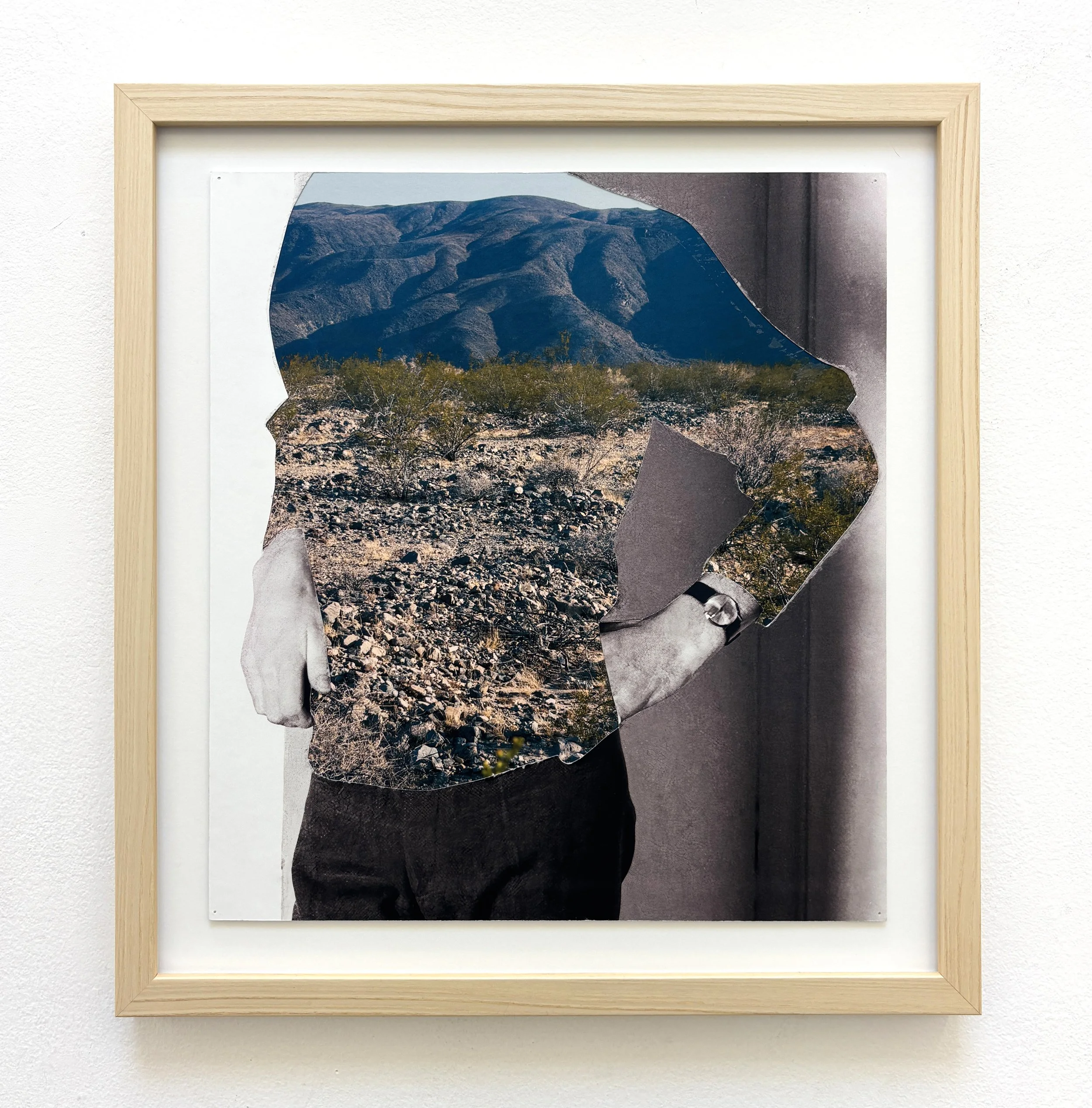
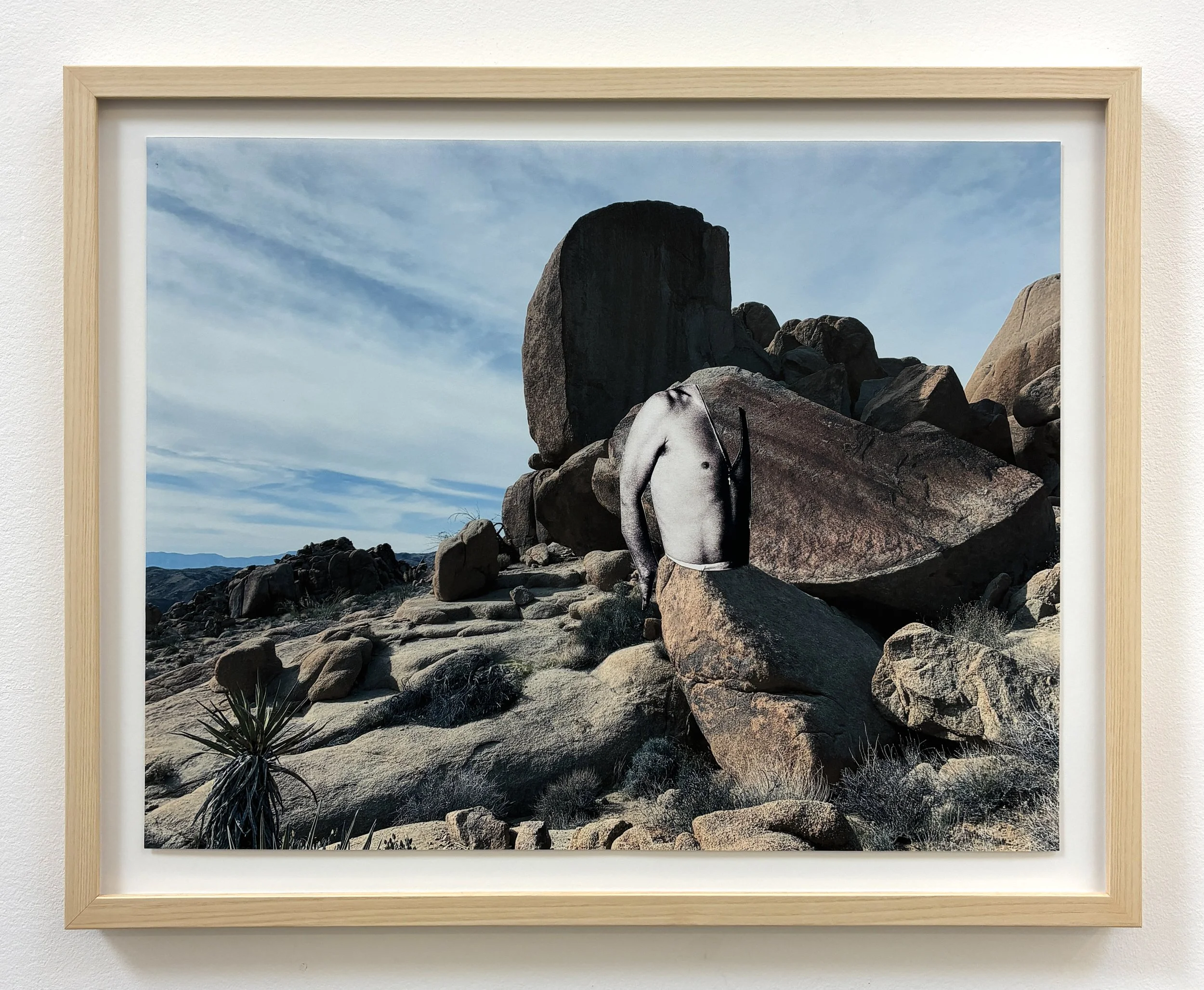
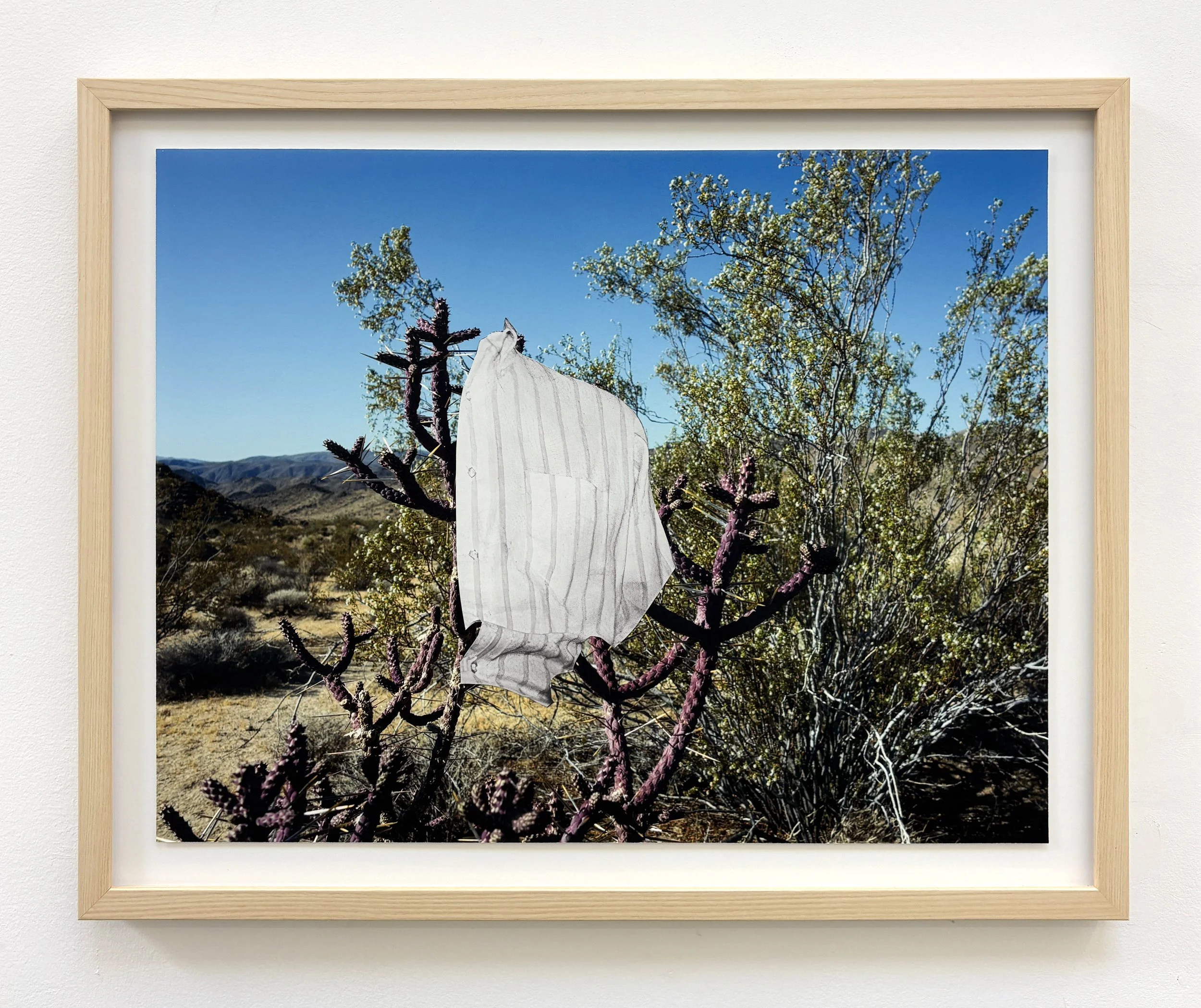
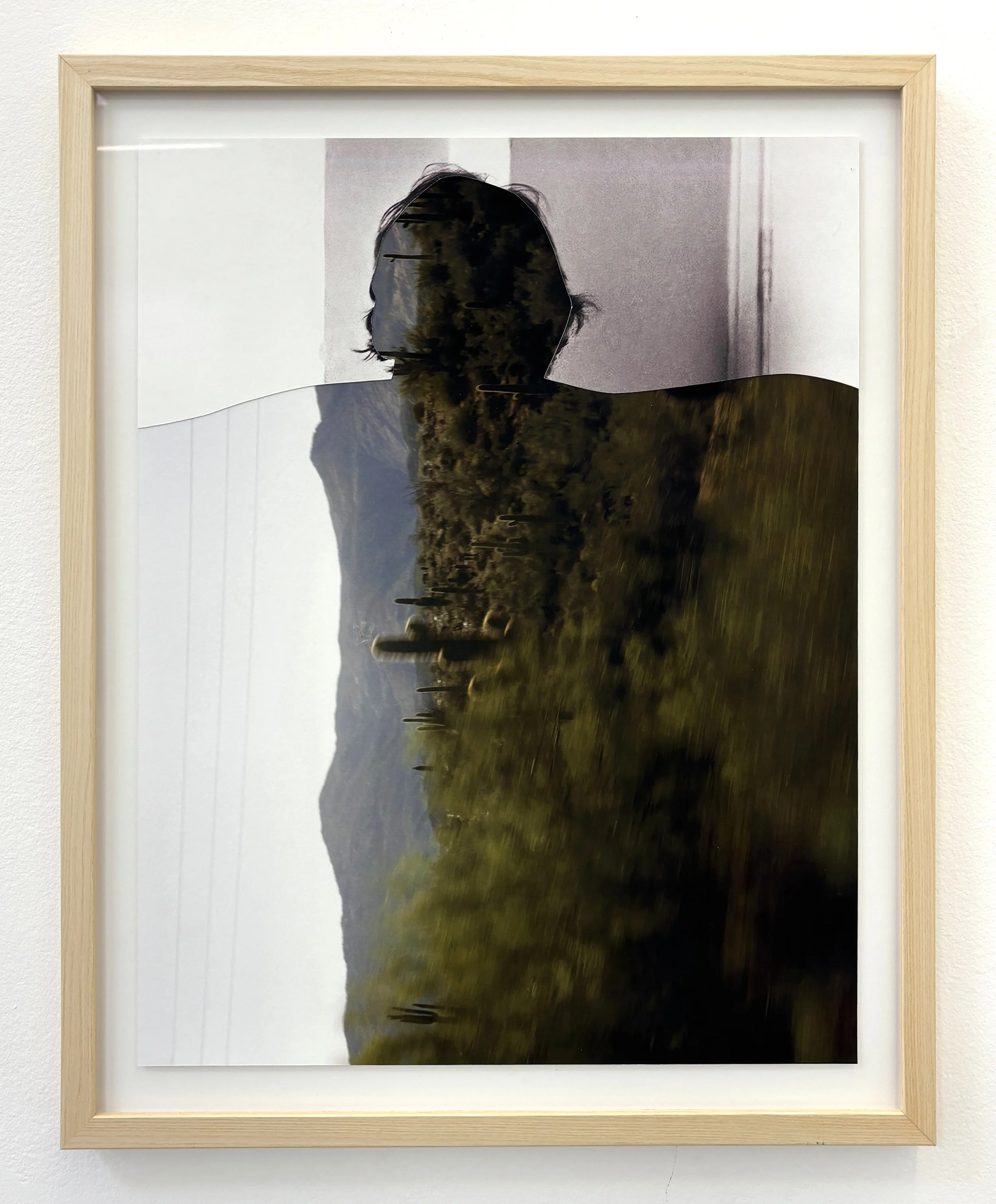
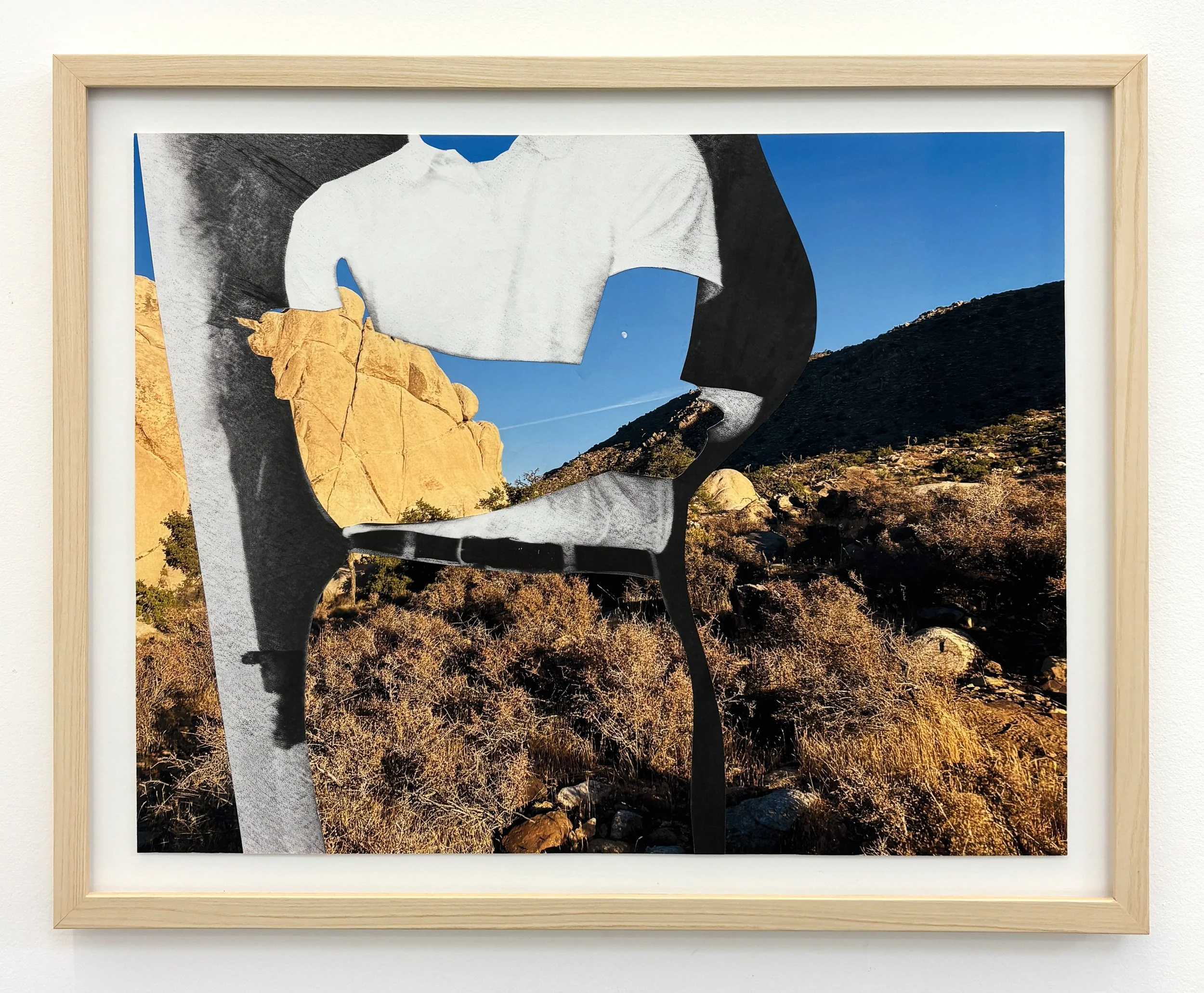
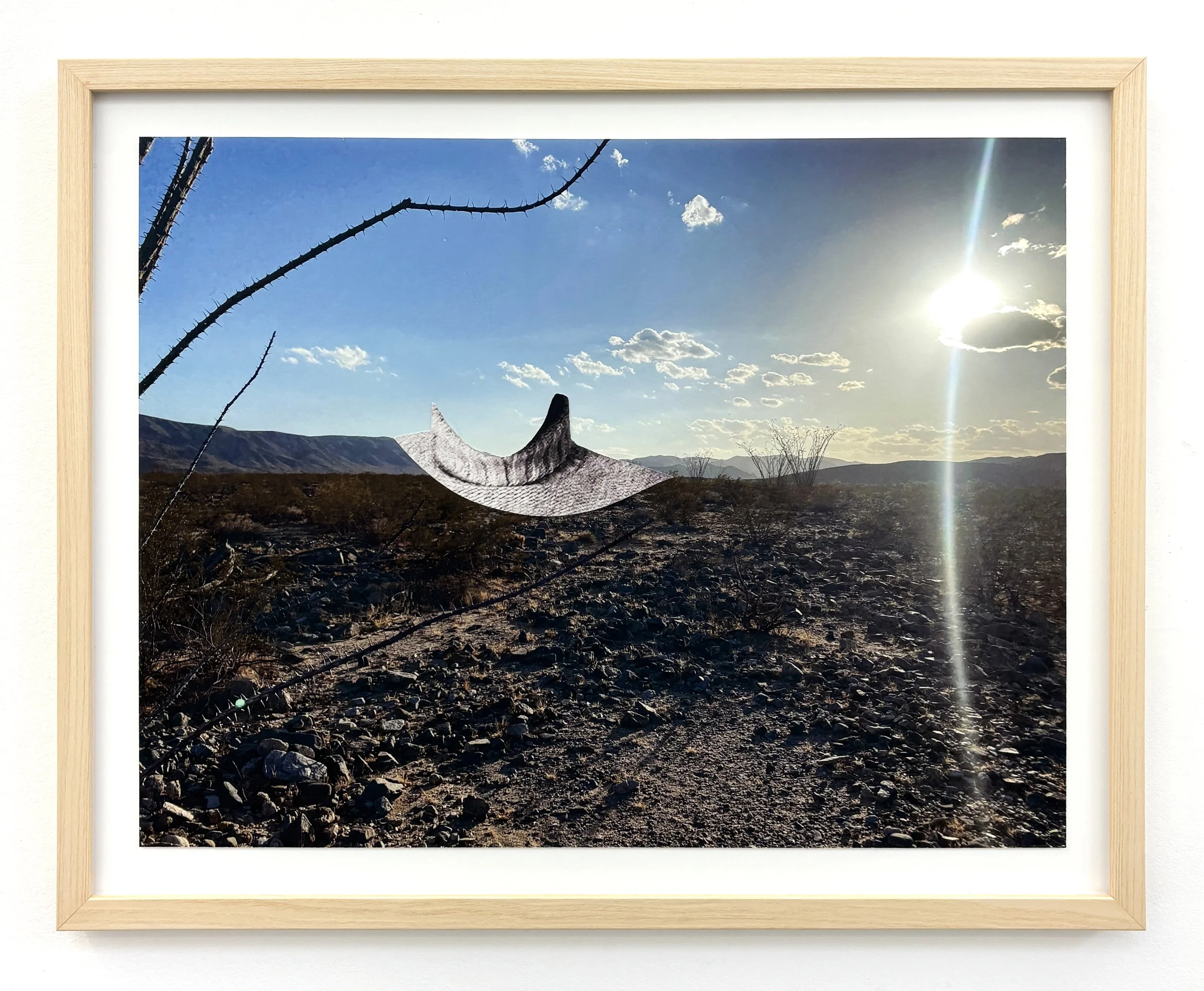
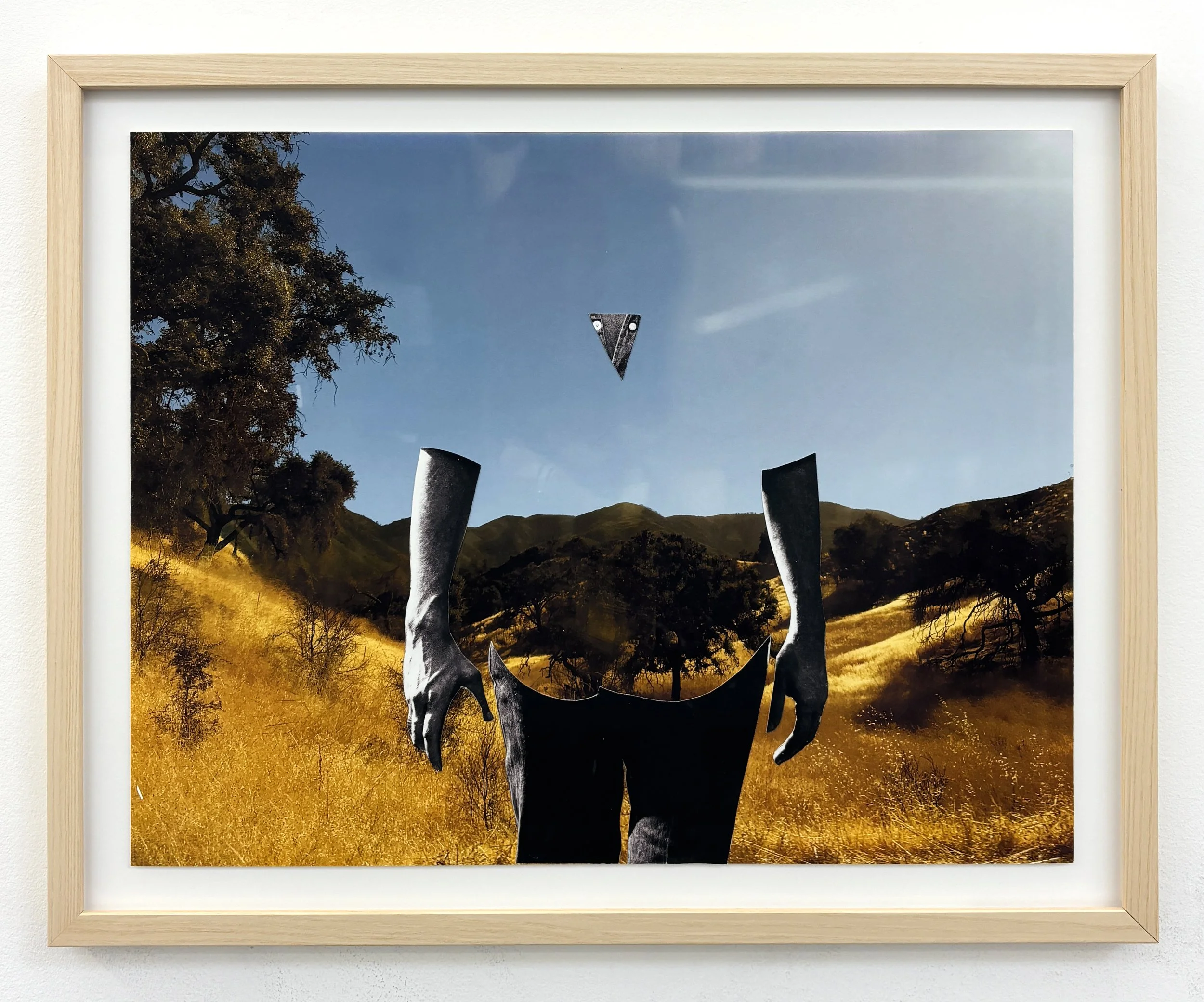
For the Boy Mounds (self portrait) series I collected images of iconic male figures from the internet, collaging them into local landscapes from my own life. For the first time in years, I’m bringing the figure back into my work - exploring the body’s way to channel parts of my childhood self to exist in space in new ways.
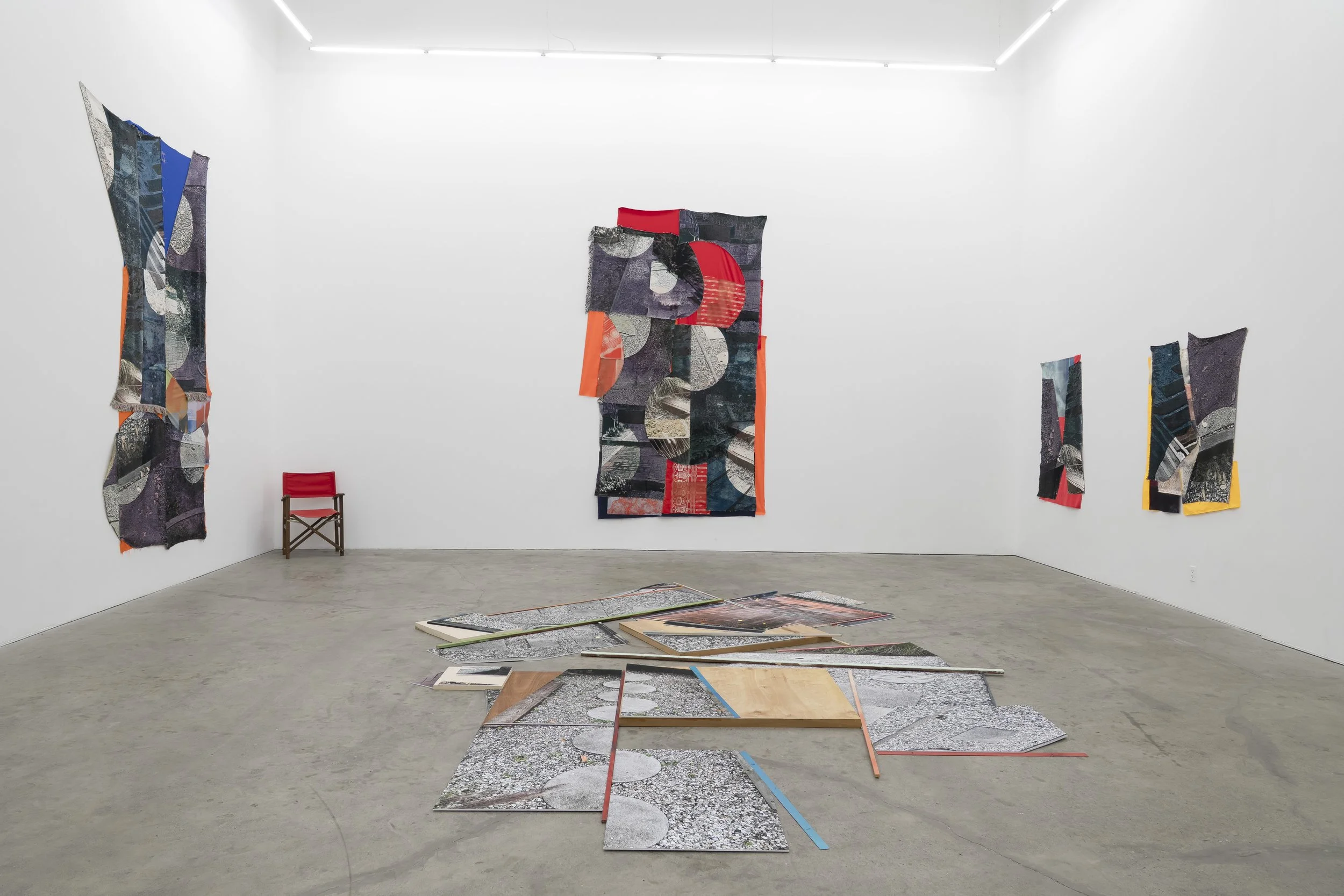
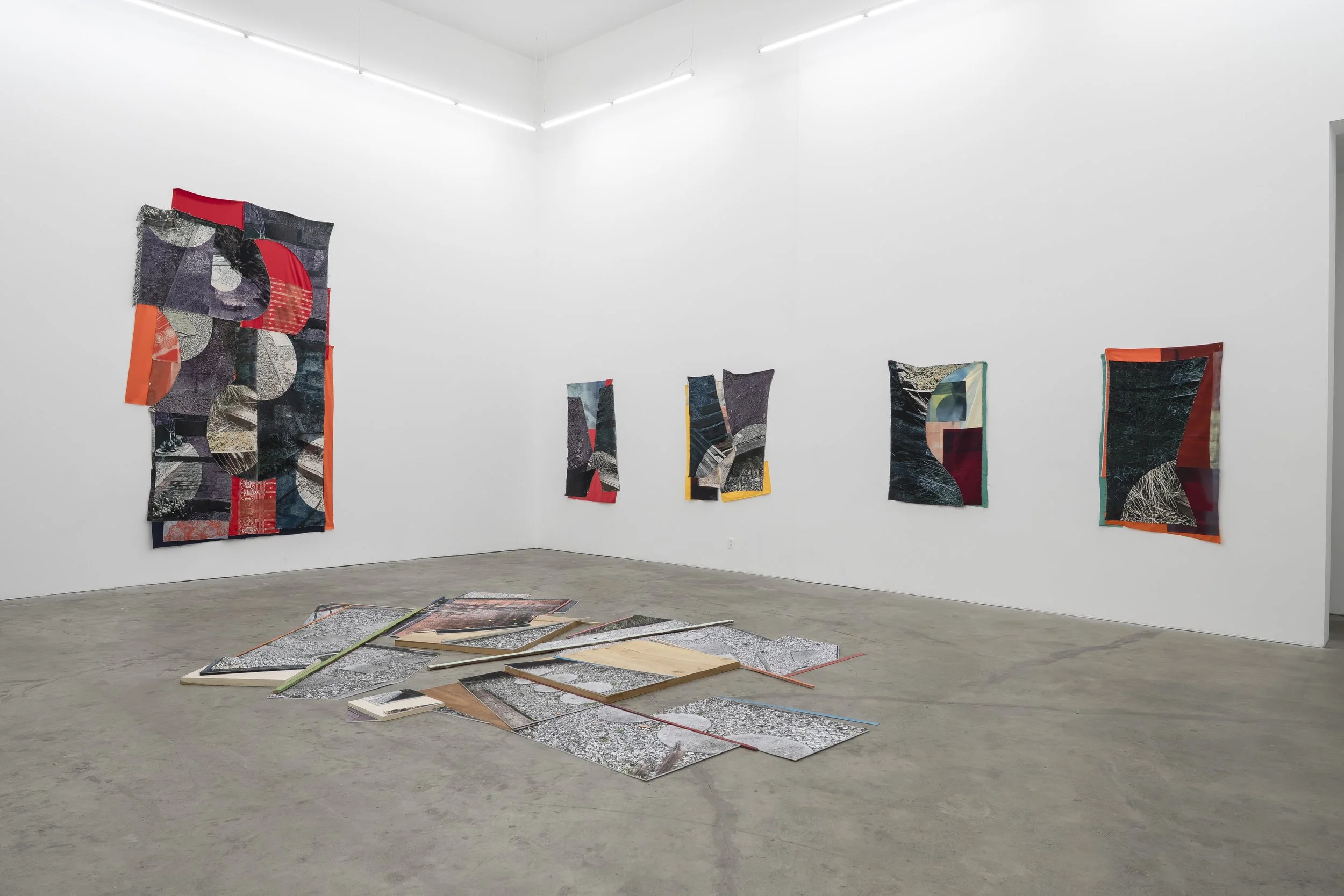
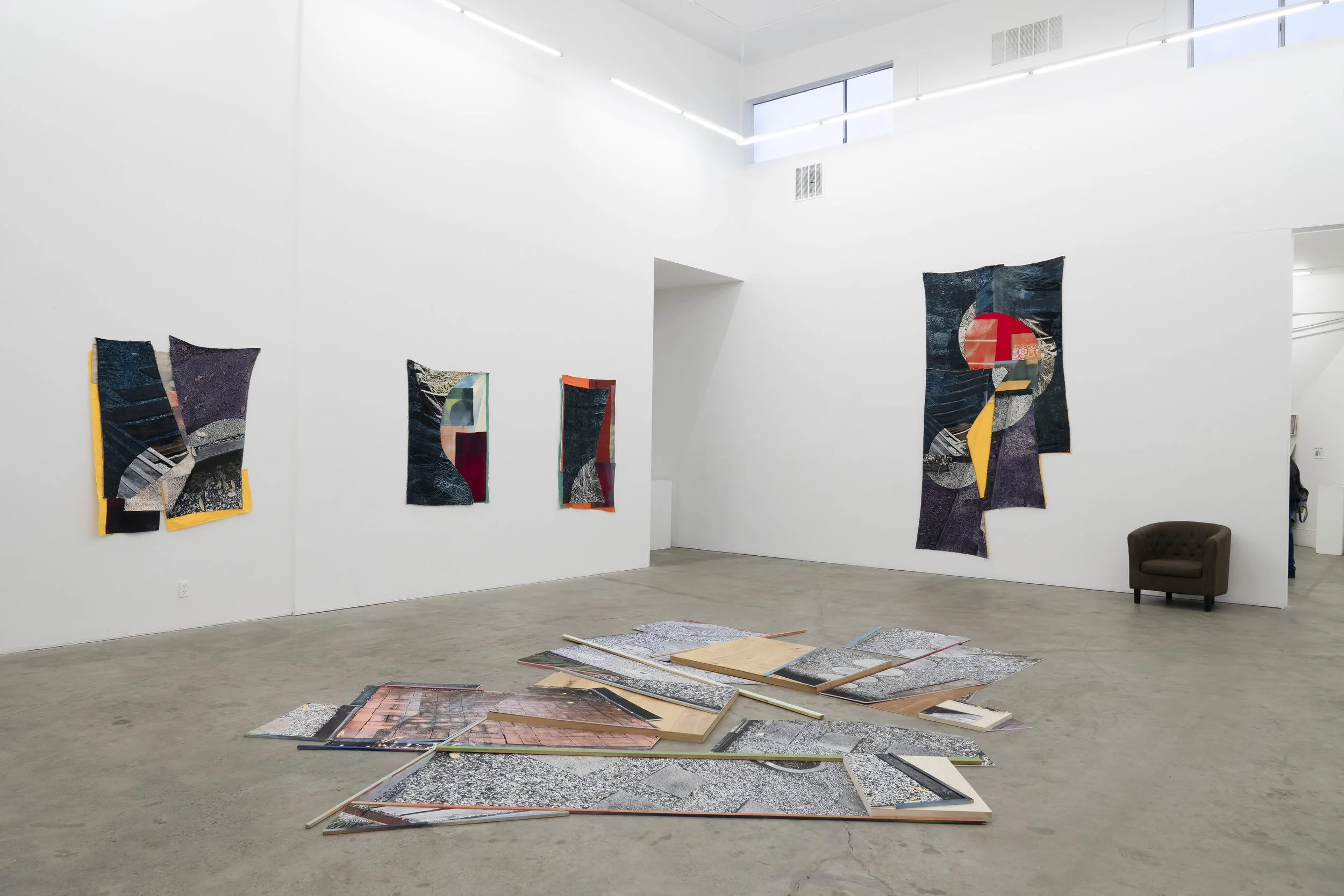
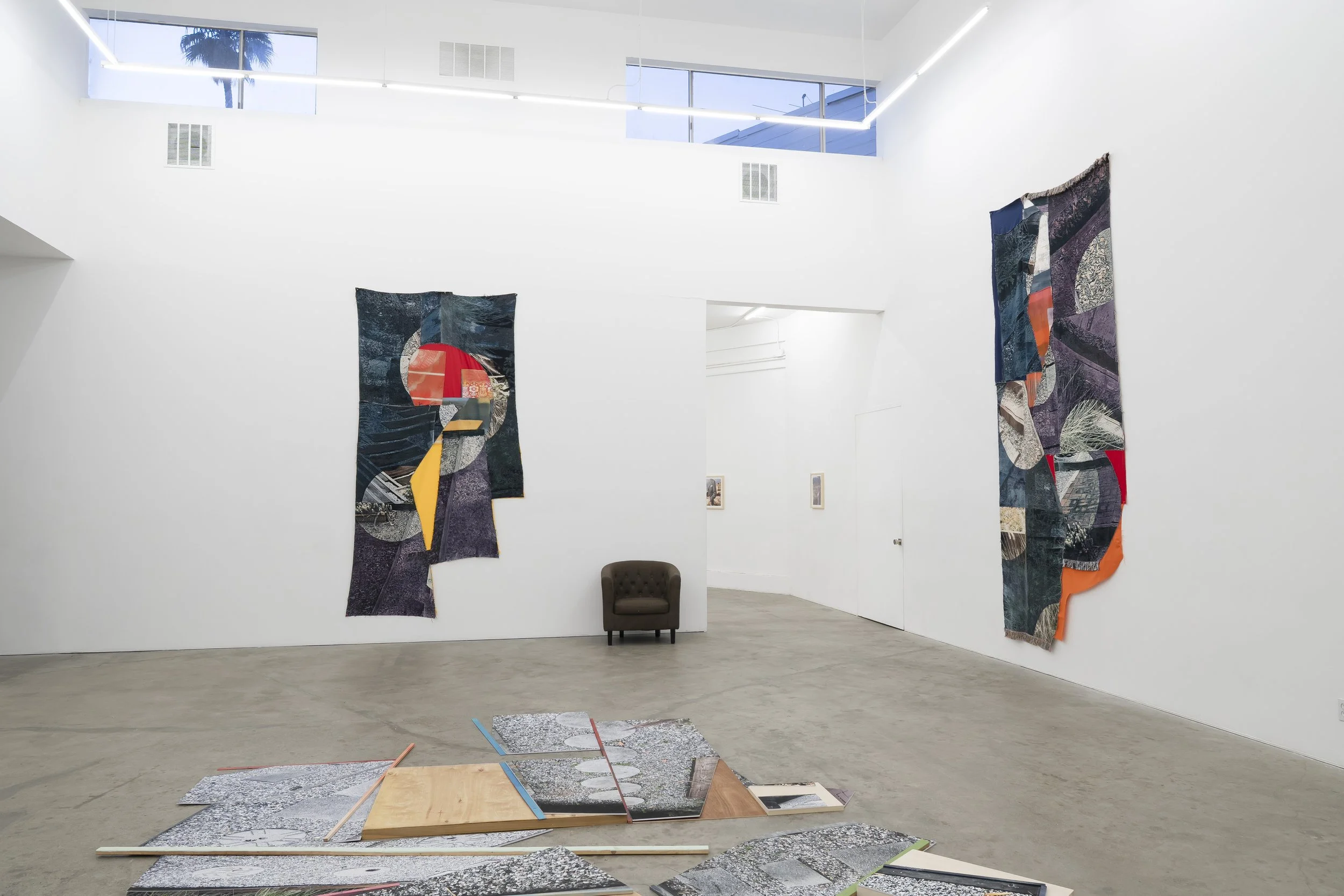
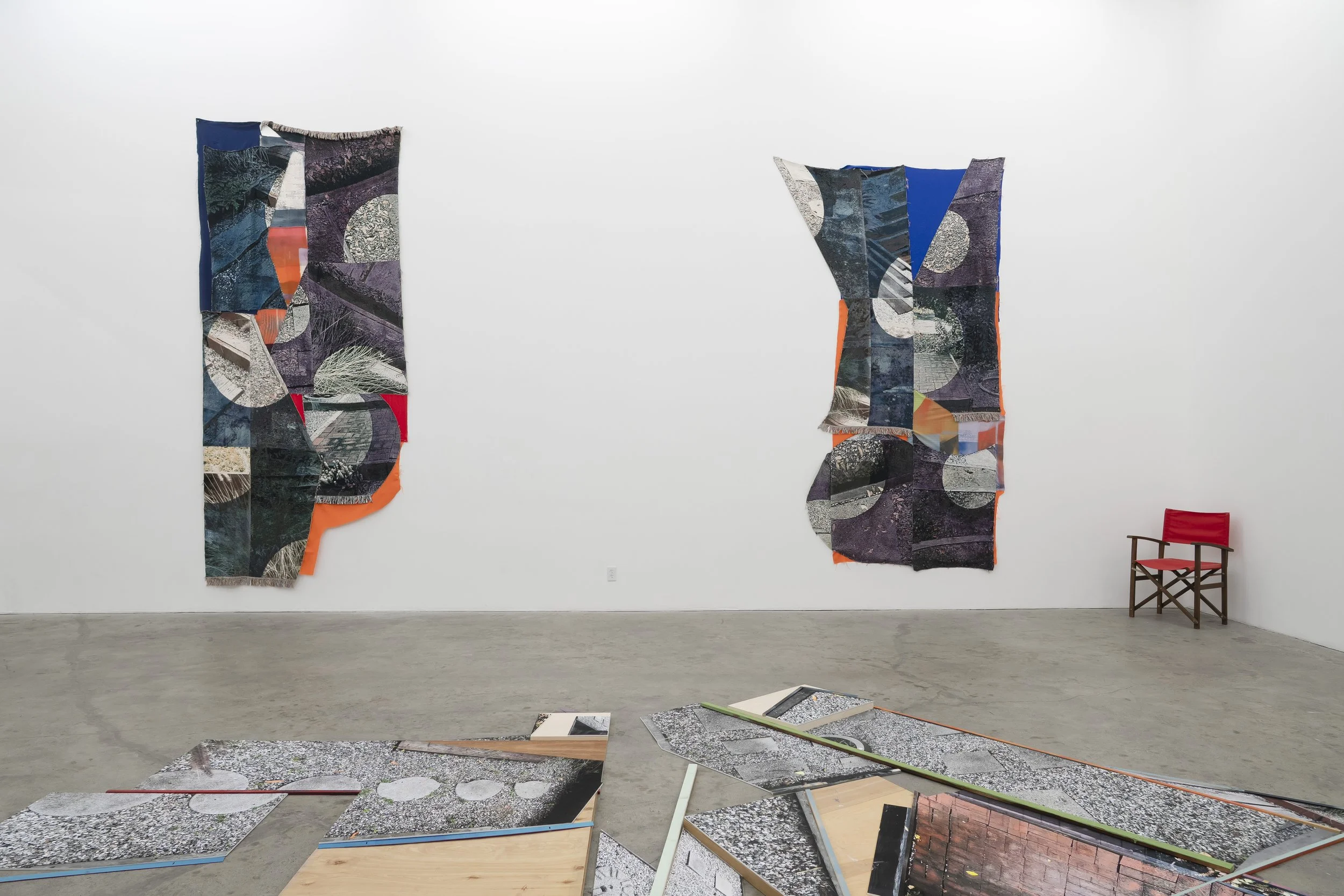
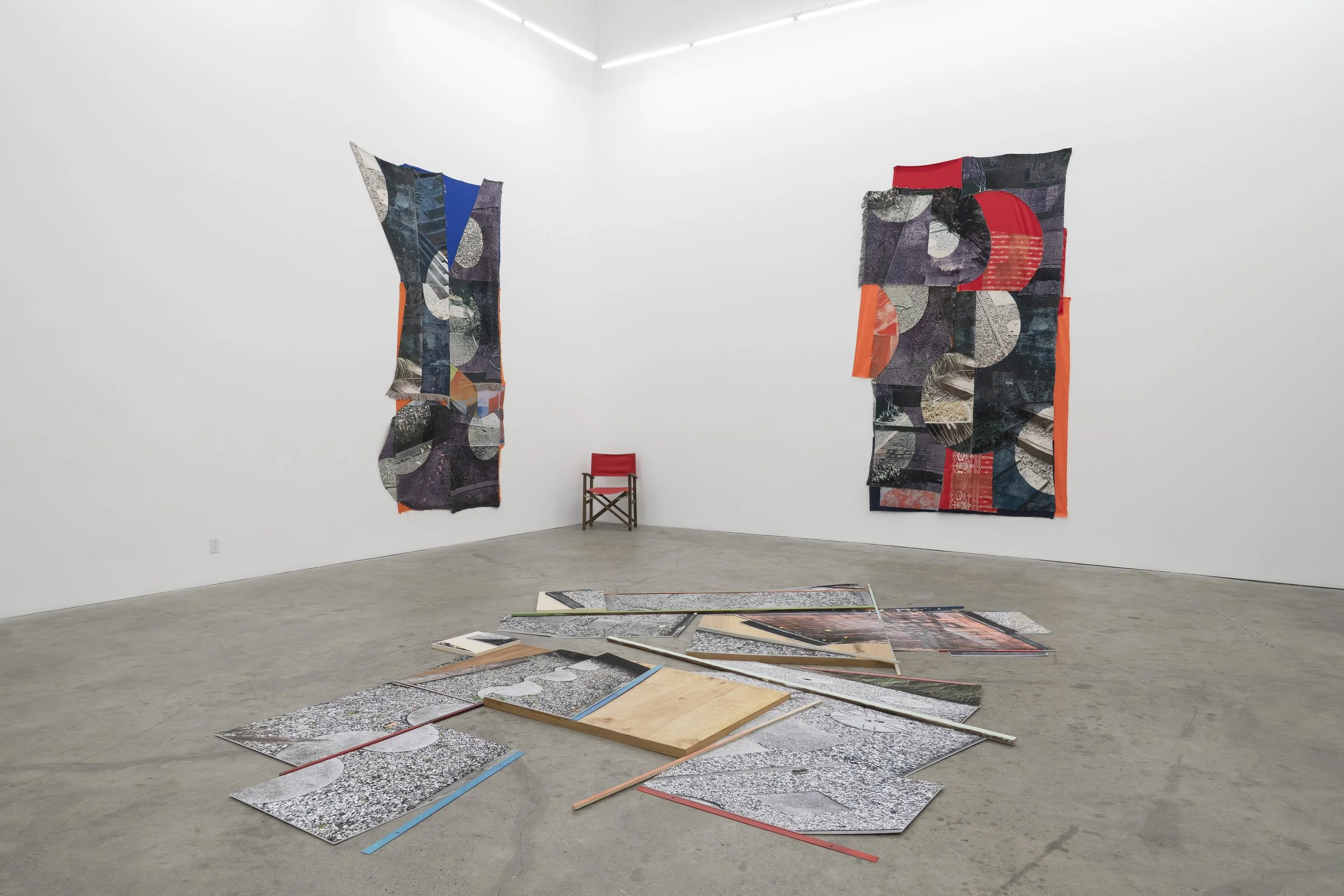
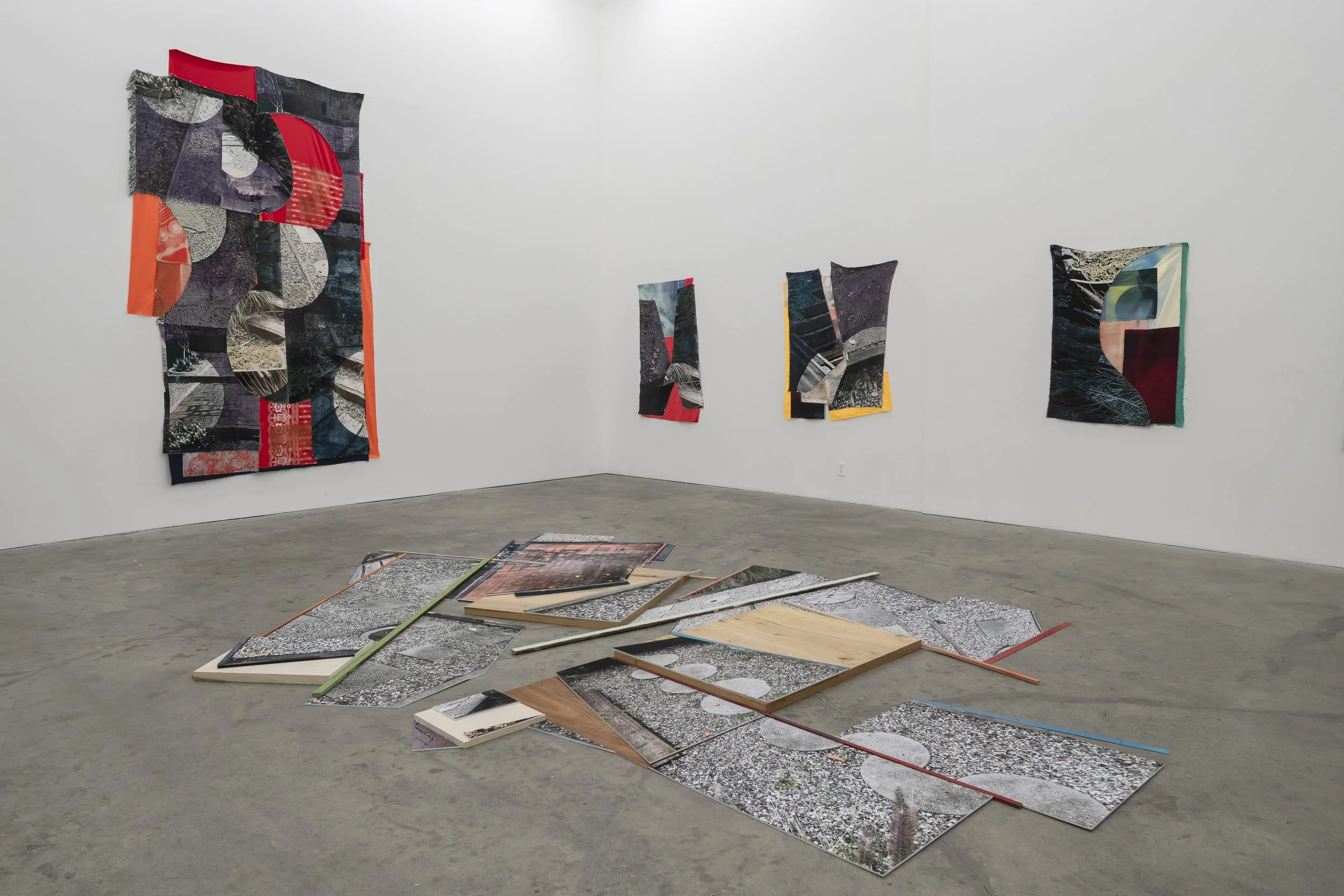
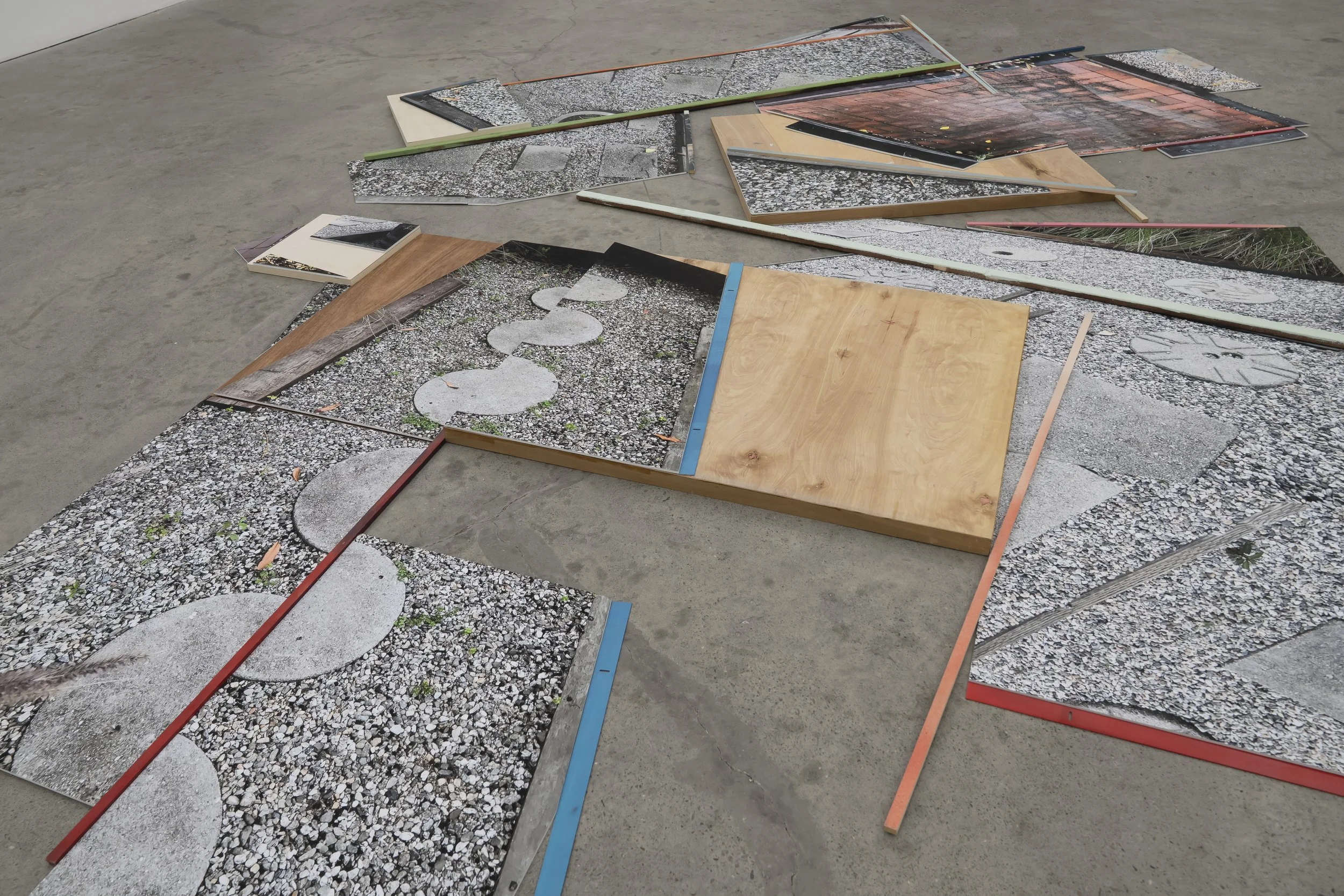
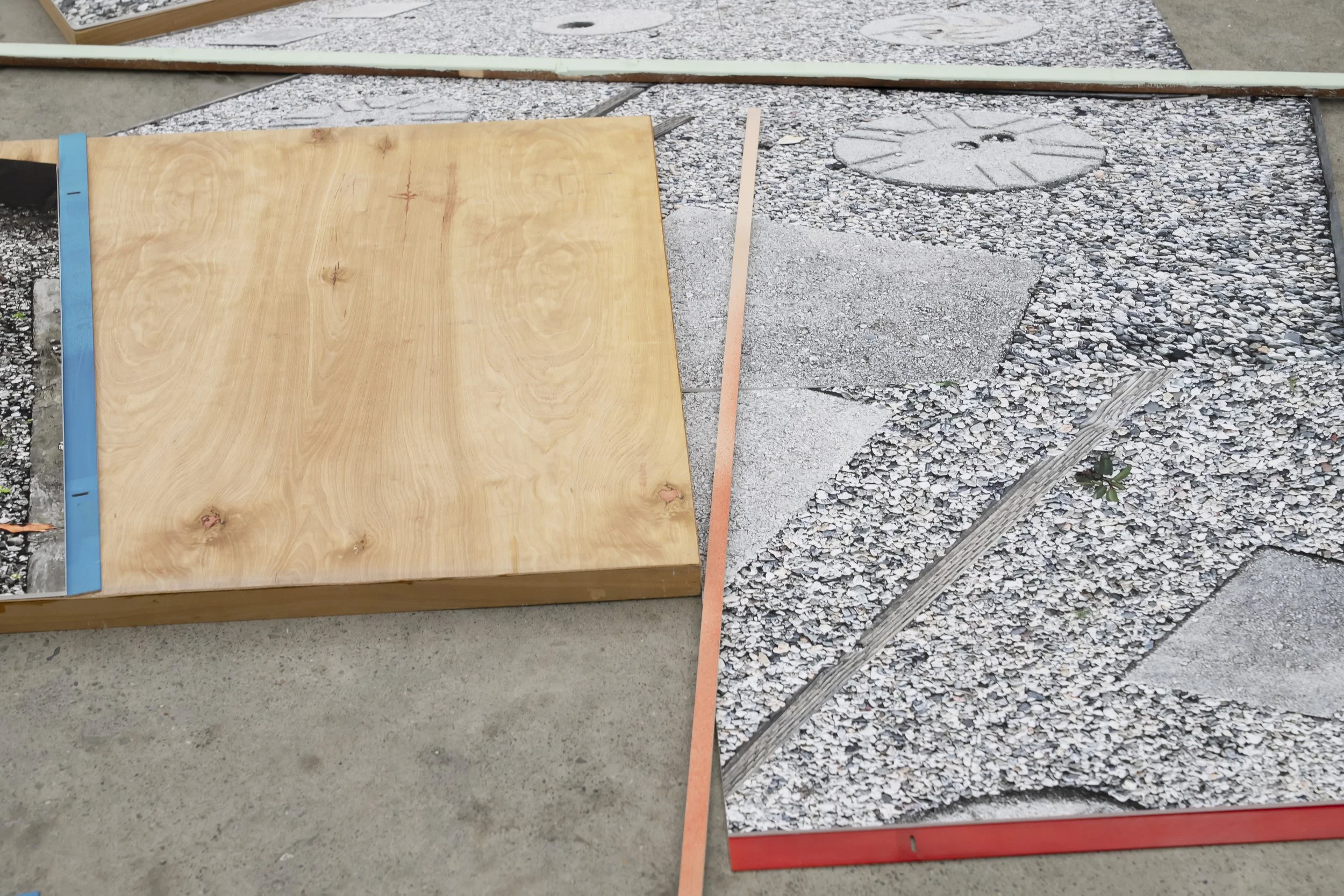
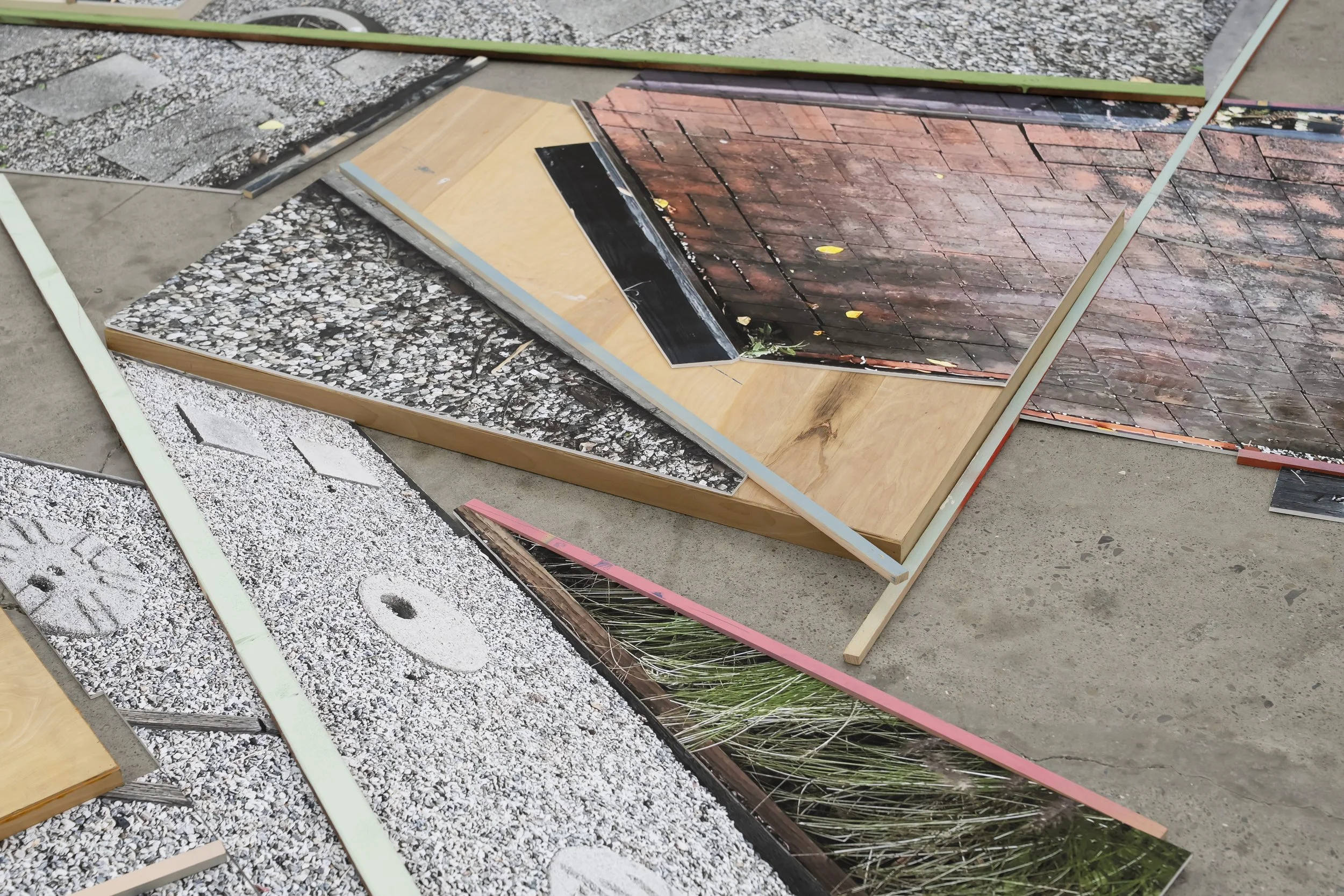
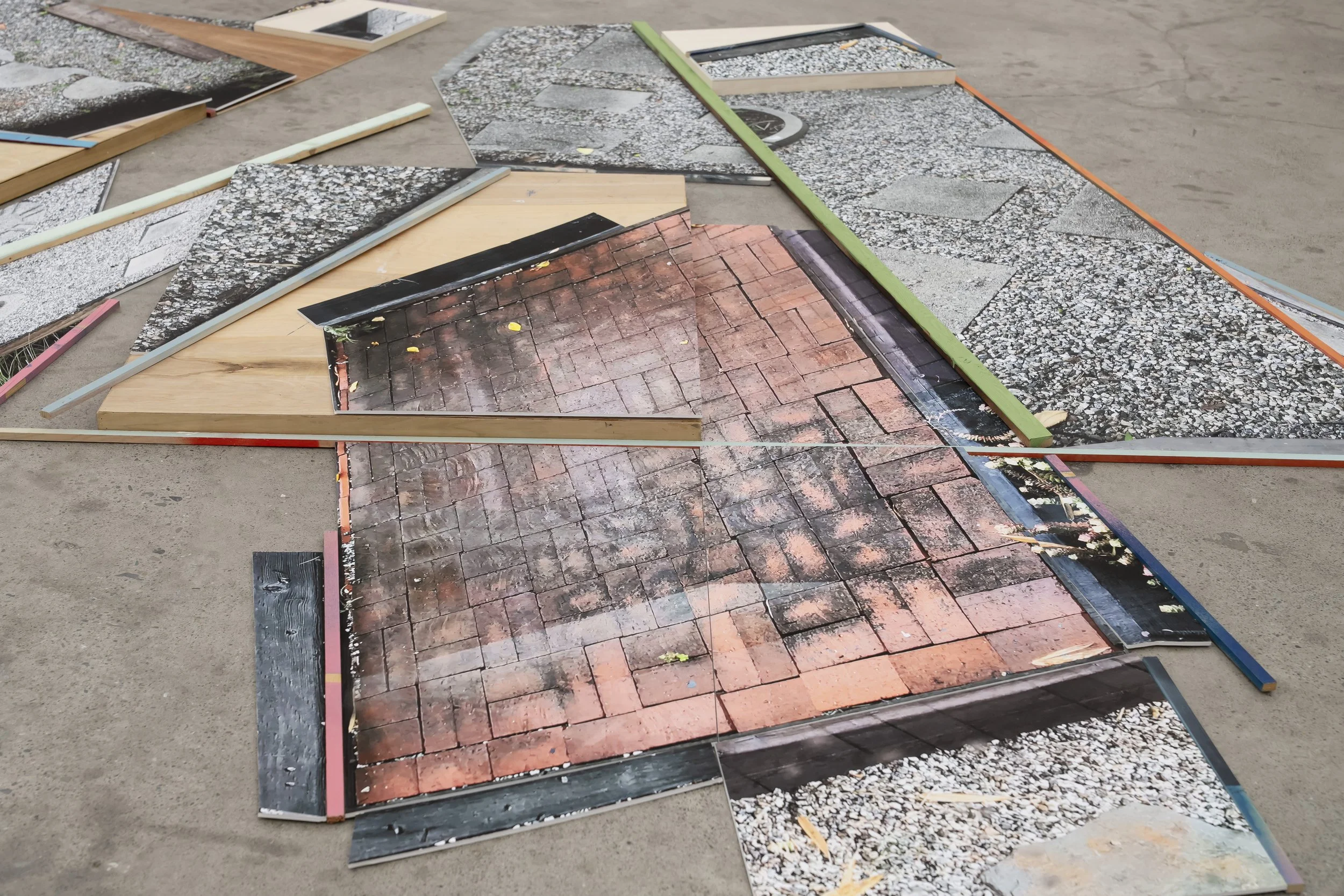
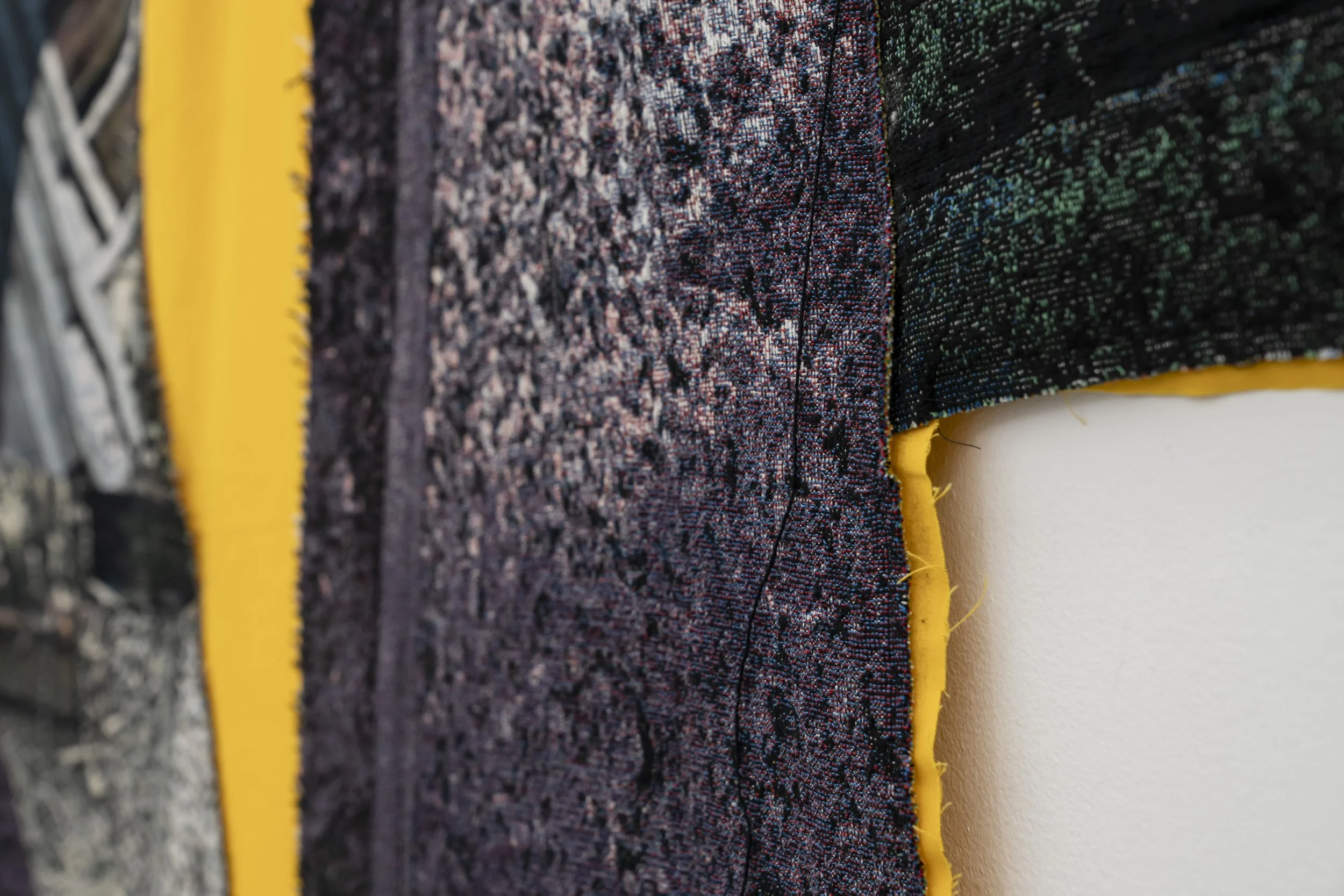
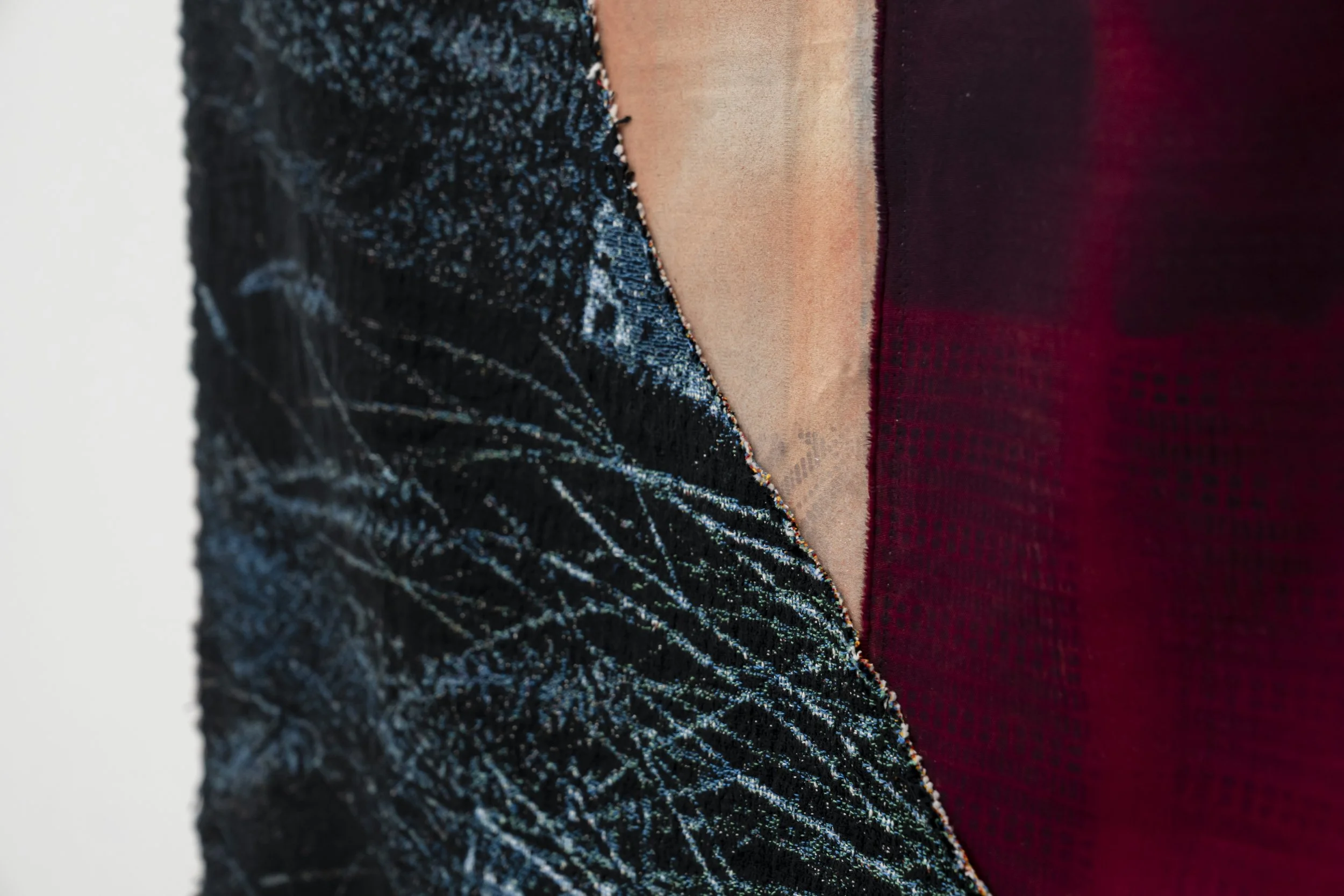
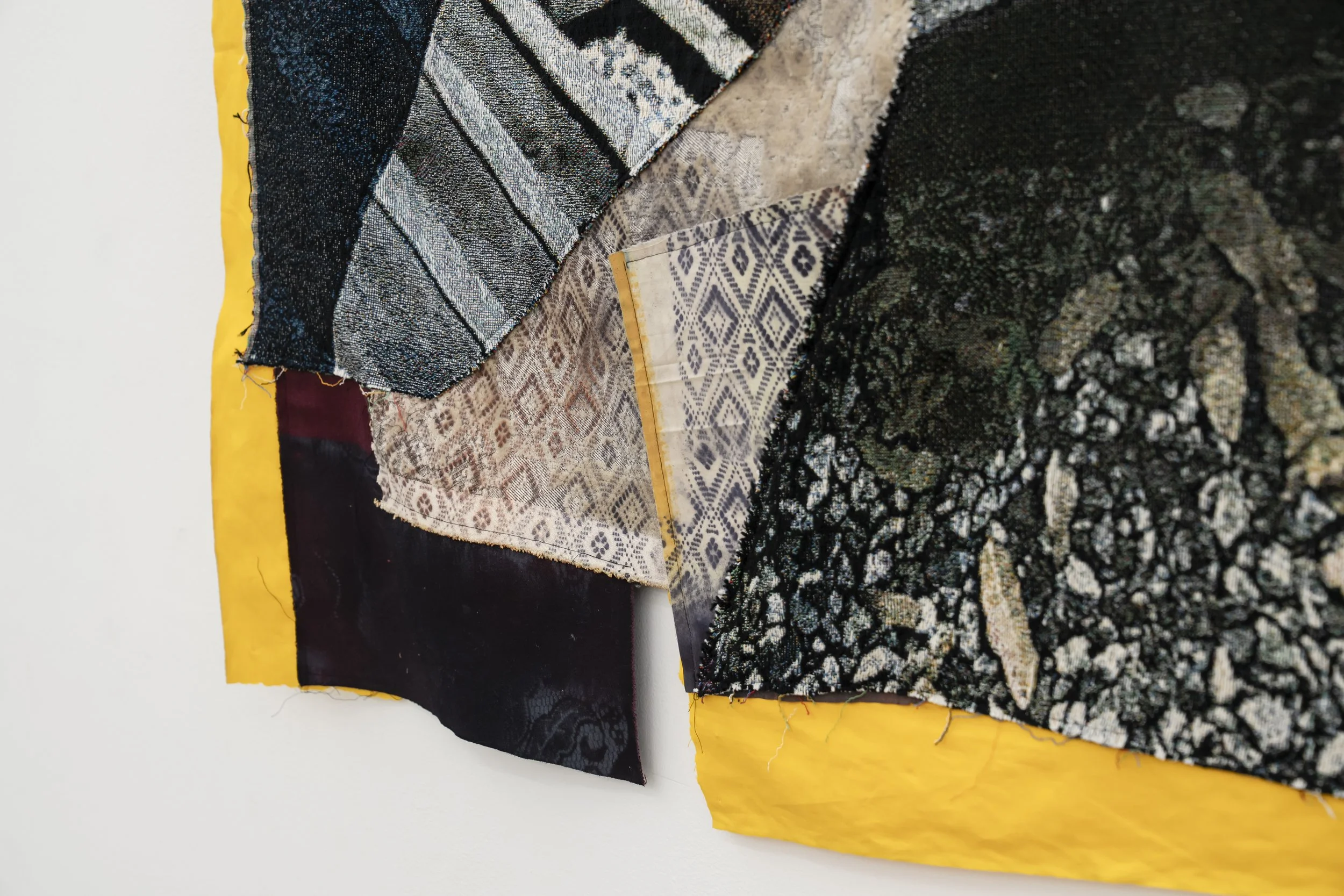
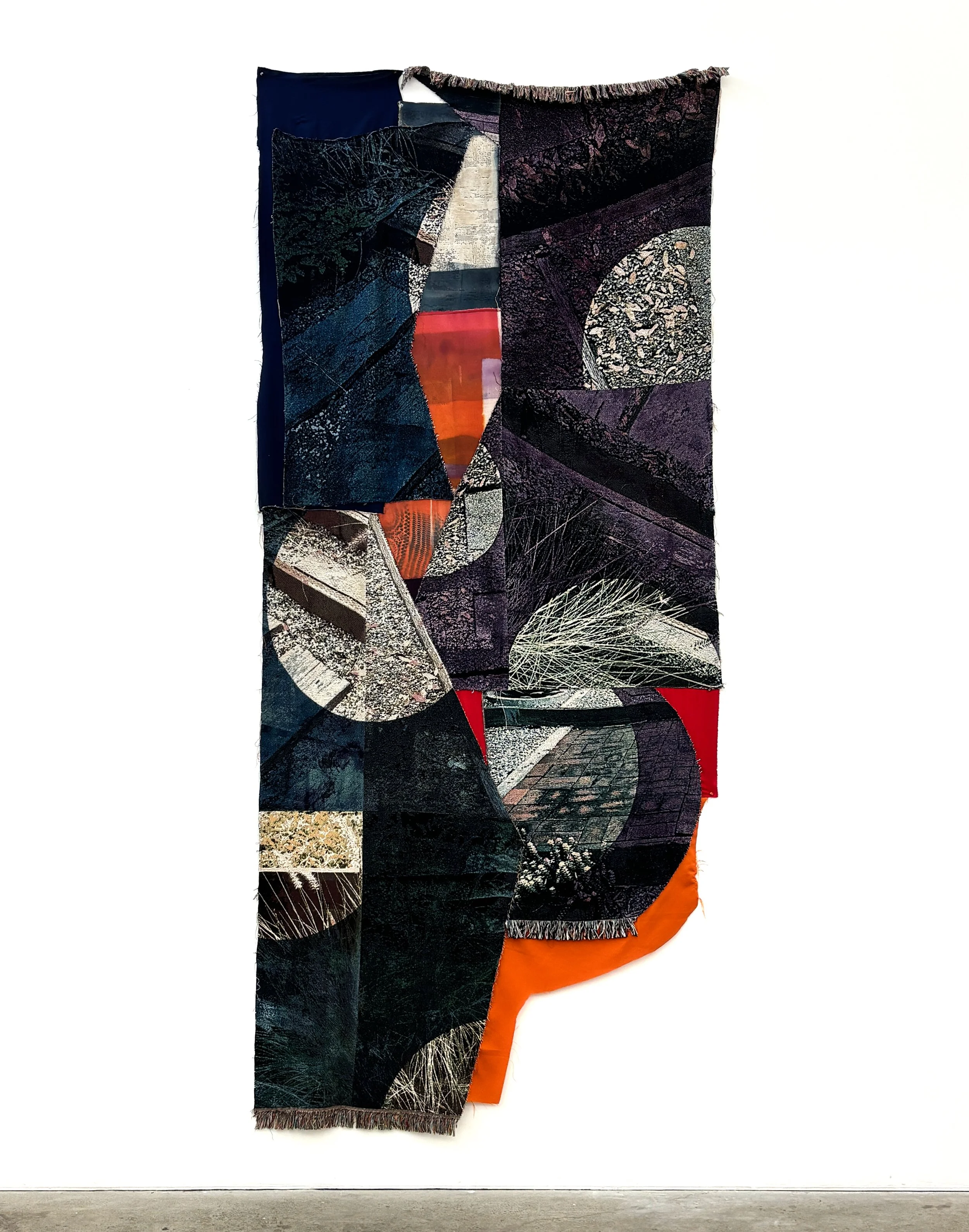
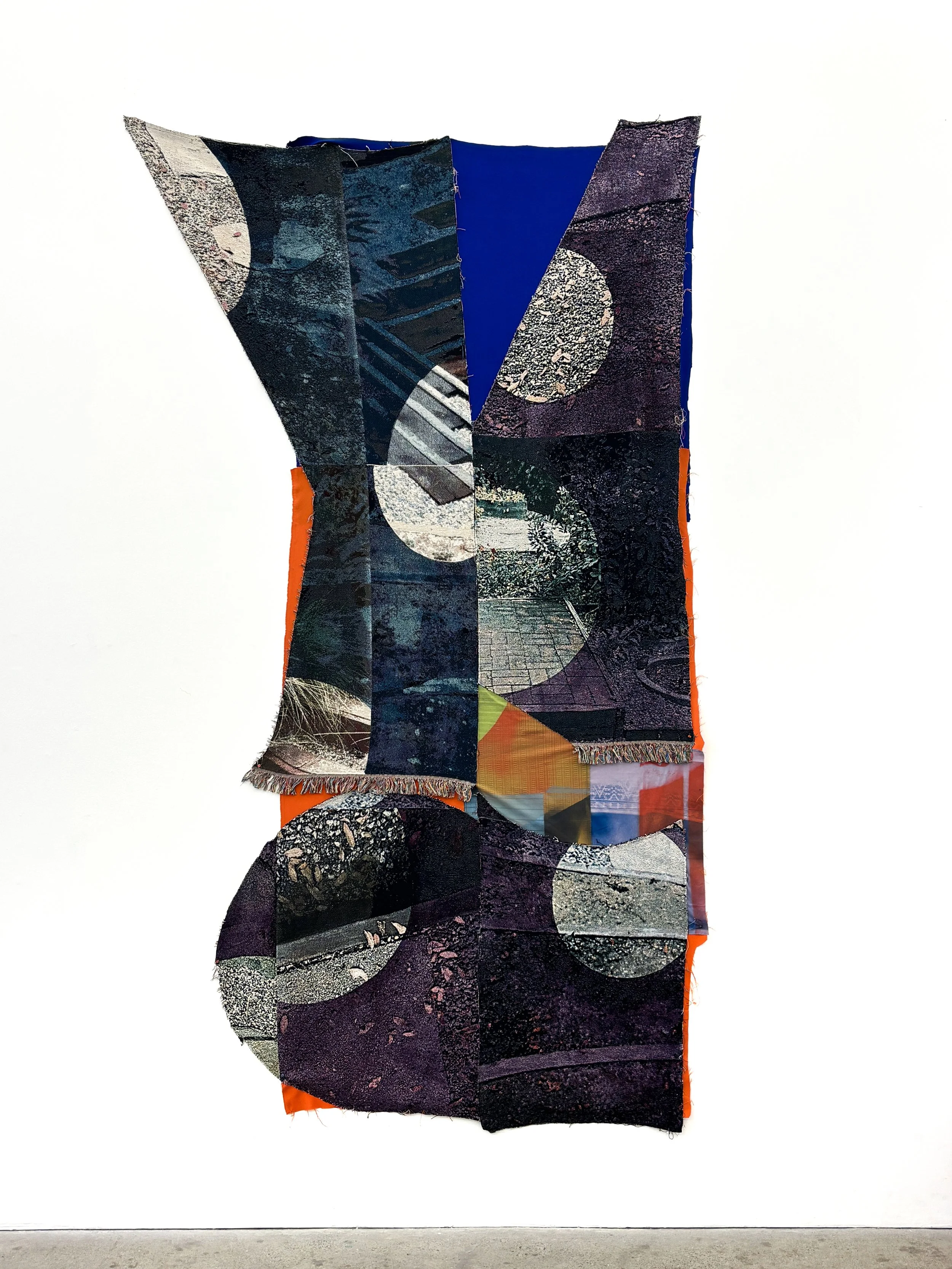
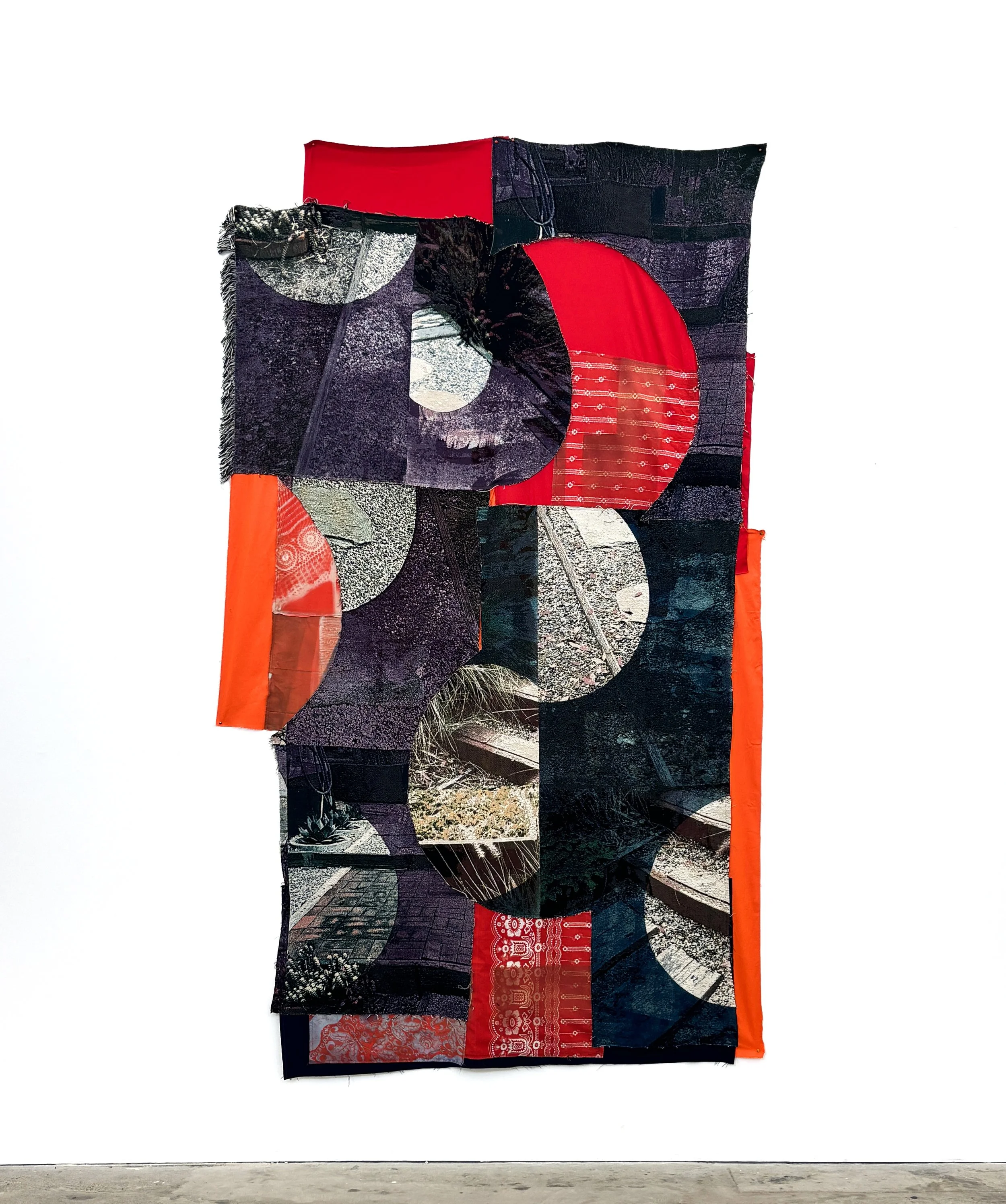
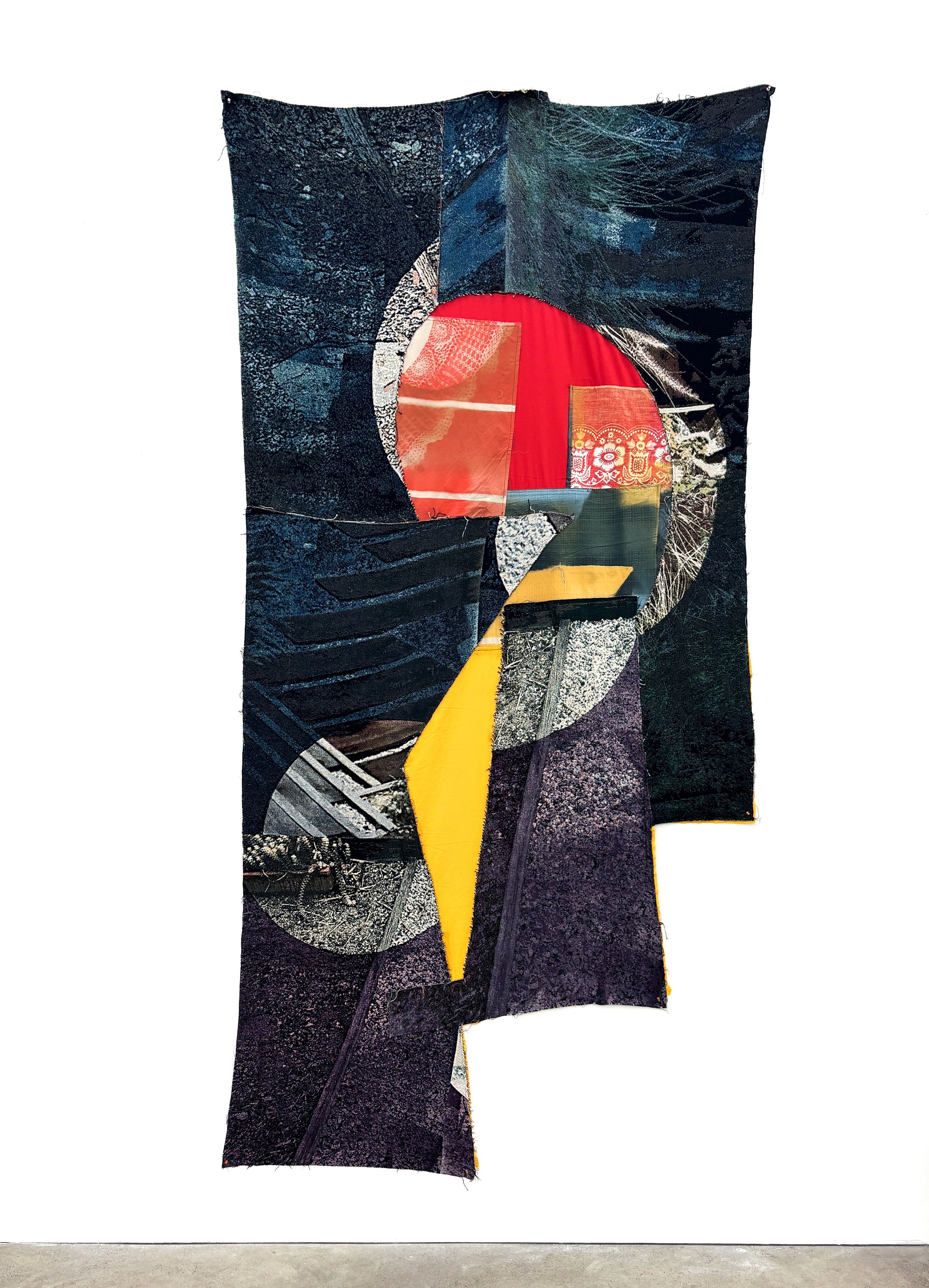
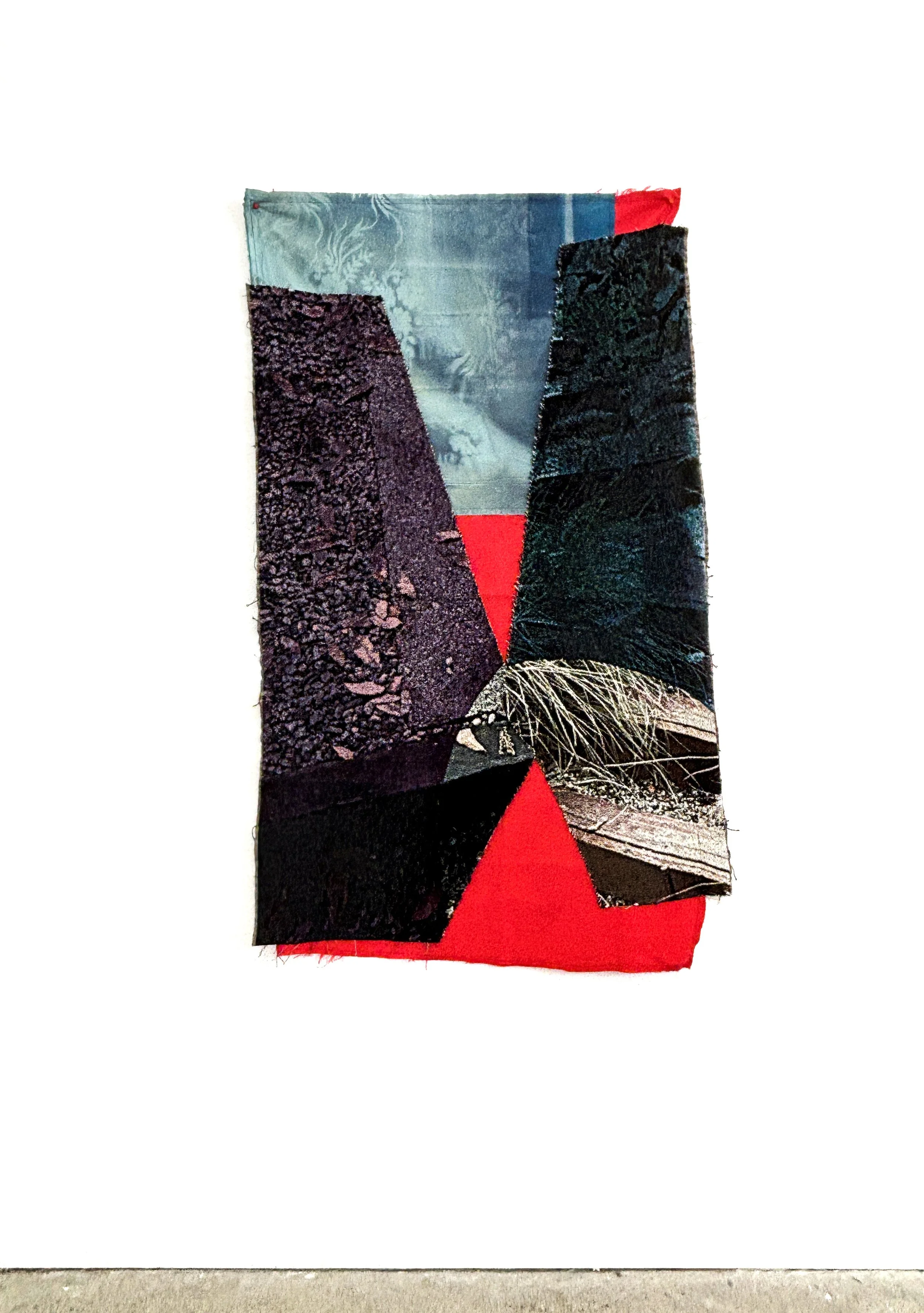
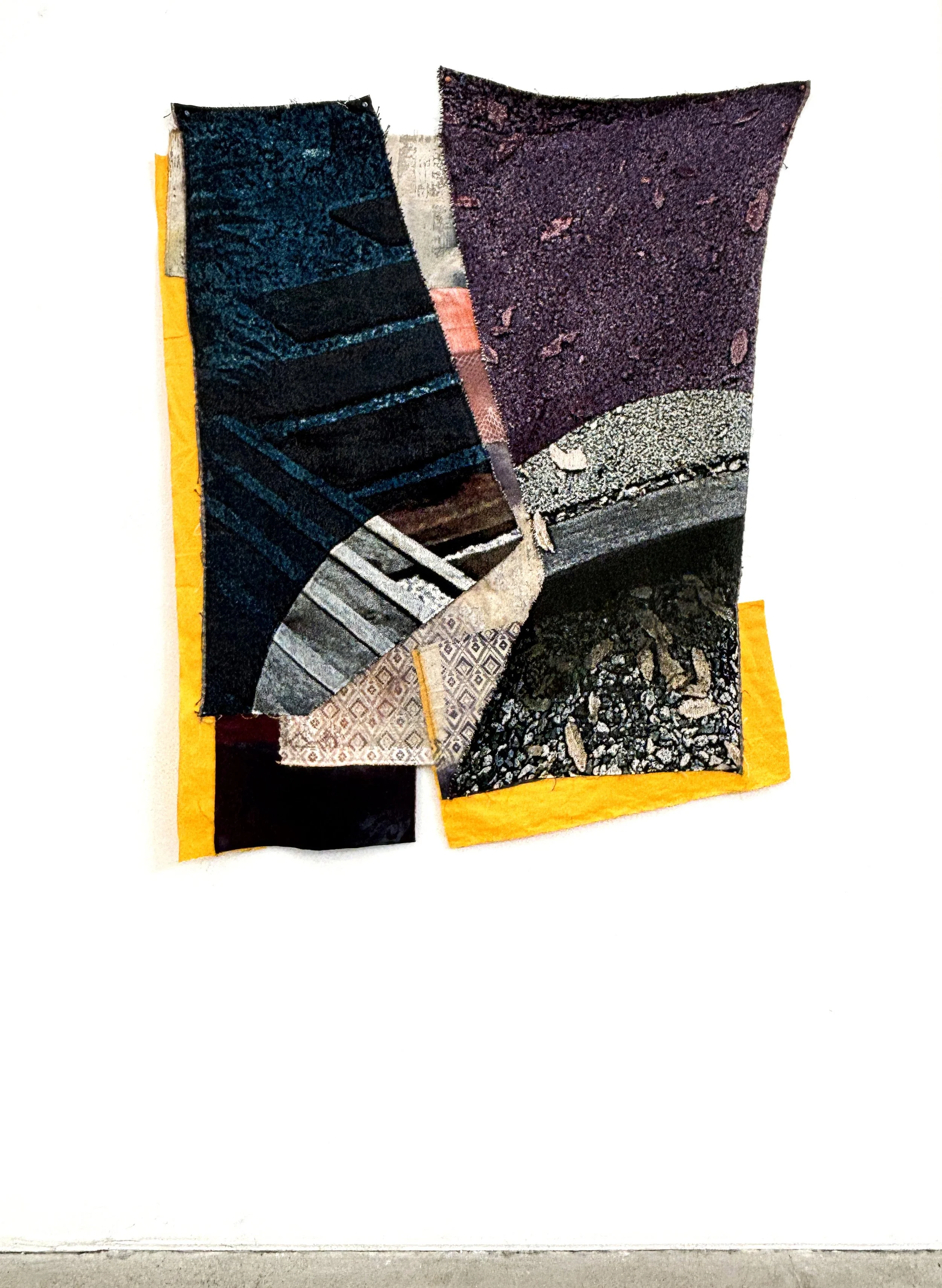
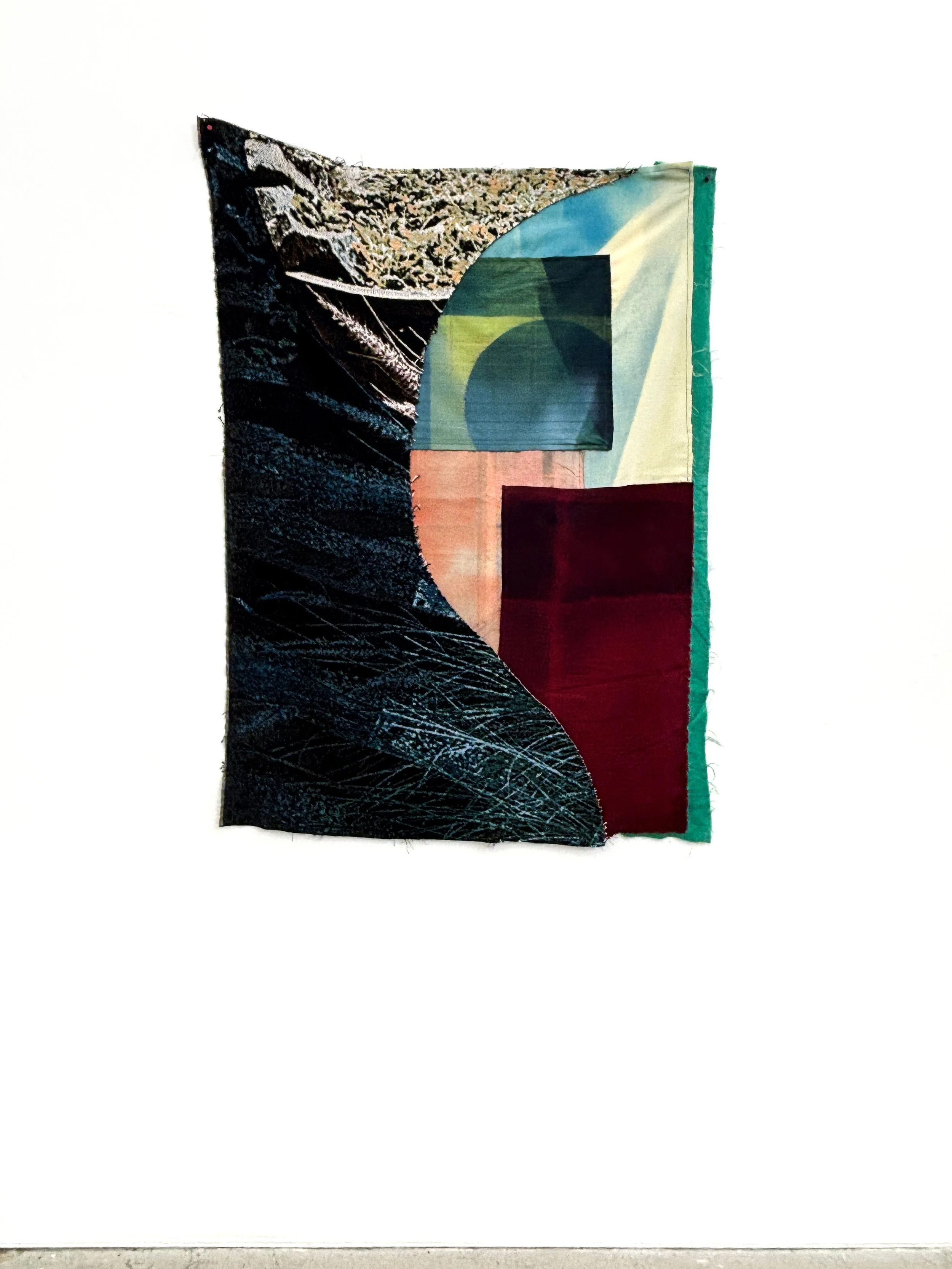
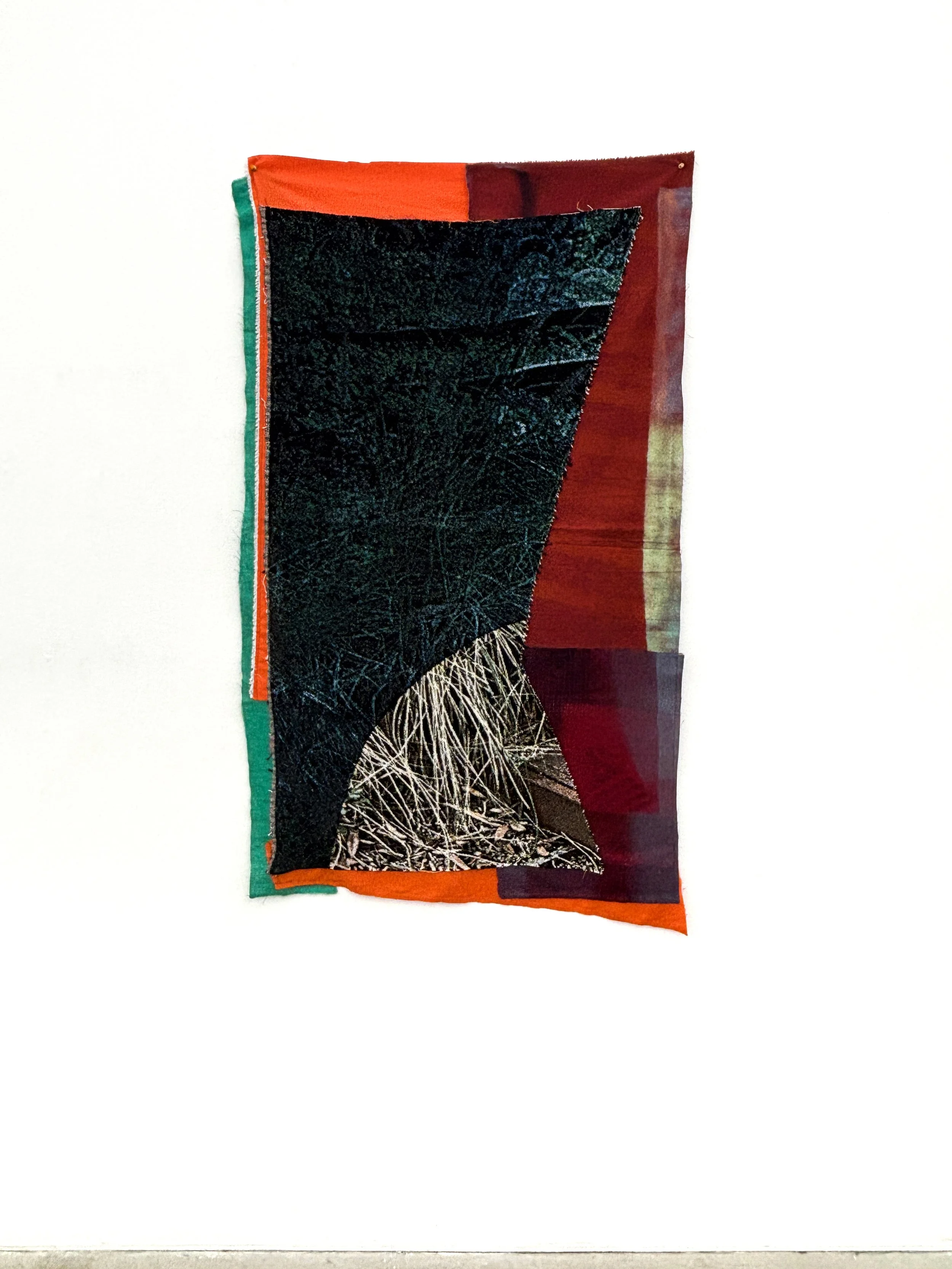
The hanging textile works pull fragments of self and of the past forward. Fragmented images, colors, and patterns inspired by my childhood home are pieced together into newly abstracted forms. The floor collages, constructed from photographs of the garden of my Sierra Madre home, complete the trio of works.
Together, these works use fragmentation and re-framing as ways of creating space for the self. The exhibition holds the tension between past and present, disappointment and affection, offering the landscape as a site where identity can continuously be revisited and reassembled.