Carrie Hott
years ago
January 16 - February 28, 2026
Reception: Friday January 16, 5:00 -8:00 p.m.

years ago
Almost two years ago, I completed a three-month residency at the UC Davis Center for Spaceflight Research, which was then focusing research on sustaining human life in orbit or on the moon. Every week I would take a two hour train ride from Emeryville to Davis to learn about the work underway there. From conversations with the researchers, I gained insight into what is required to care for a human body once its in space; I tried to understand the nature of life when in orbit; and I learned that the age, scale, and nature of the universe is beyond my comprehension. On every train trip back I felt like a tiny, silly, fragile organism riding a micro conveyer belt on an ancient and beautiful rock. The reality of time and scale I'd occasionally tried to grasp intellectually became a felt experience framing my movement through the world.
On the train I would look up my many questions online, or on Youtube, or I would read about satellites. During these moments, I would consider how most of our shared technological time systems are connected to them, over a century after the synchronization enabled by railroad time. That much of the small computing devices that I use daily, and often hourly, like the iphone I began using 12 years ago, syncs with global infrastructure time via gps satellites. That the backbone of industrial and financial time synchronization happens in part because of satellites. By tracking and watching Starlink satellite string launches since for the past year and a half, I can envision the privatization blanketing the atmosphere and changing the shared night sky in profound ways. And I learned about research underway to build data centers on the moon. I regularly wonder if we can leave anything alone.
During a visit to NASA Ames Research Center in Mountain View, CA, I stood at a spot where I could see the world's largest wind tunnel, built 75 years ago and now Air Force-operated, a sand box model moon surface for rover testing, and just beyond, the shiny new Googleplex campus. Standing in this spot, looking down, I noticed a small group of snail shells near my feet. These snails were alive but estivating, which is like hibernating as protection against the dry summer heat. I encountered dozens more that day: on dried out weeds, on the side of the model moon sandbox, on fake rocks, on sandbags, on asphalt. They were small but conspicuous, like they had no business there but no intention of hiding or leaving. I felt like an outsider, and they were also outsiders. Amid the military-techno-optimization giants, these snails felt like inspiring, insistent interlopers. A Reddit thread suggests that these are milk snails that are invasive in the area, possibly originating from a domestic pet released years ago. The milk snail may have arrived on this continent relatively recently, though land snail fossils date back to 350 million years ago.
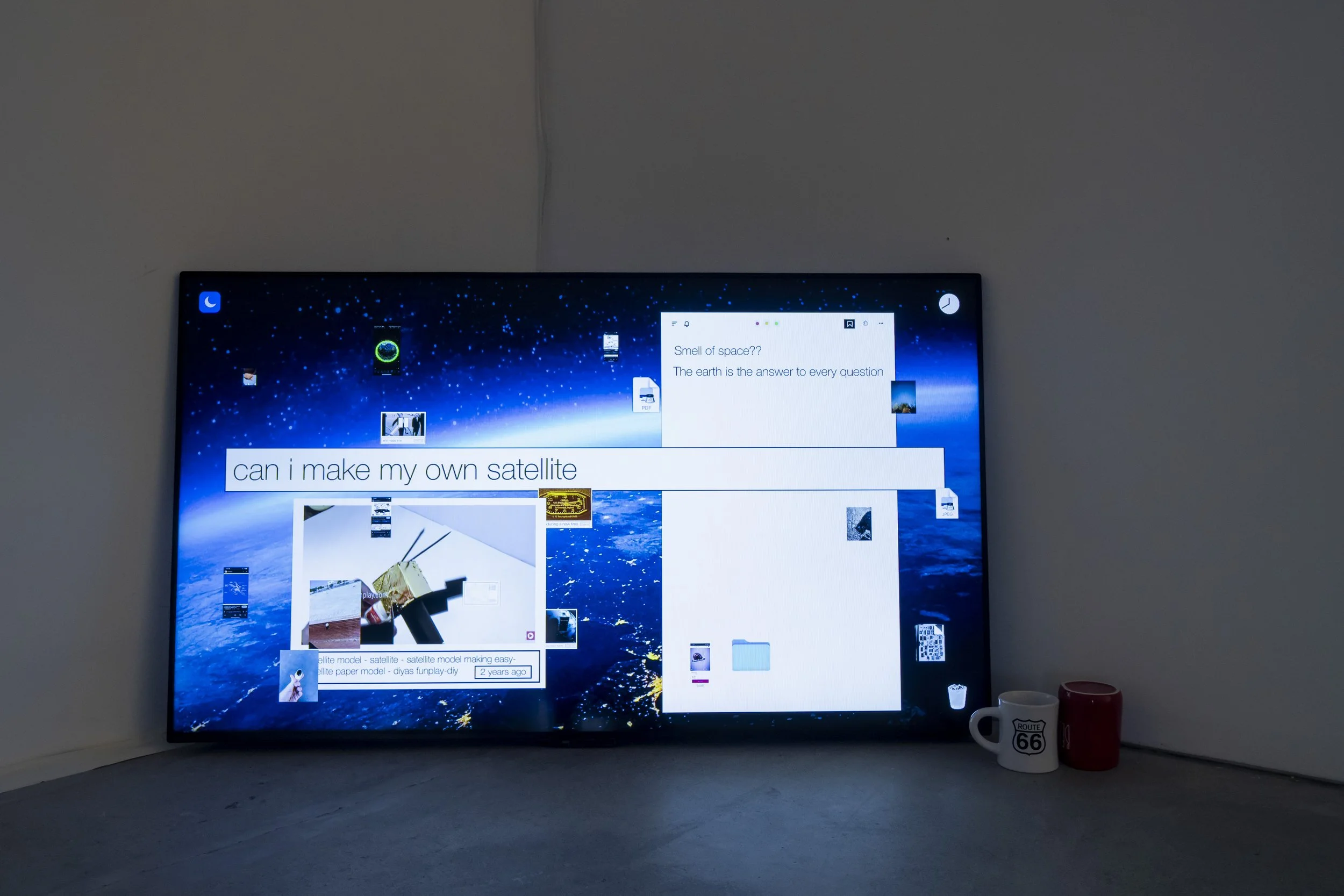
After my residency ended, over a year ago, I started thinking about how to make a new satellite based on the sensing capabilities of a milk snail. Researching amateur satellite approaches led me to think about the implications of sending your own device to orbit alongside the SUV sized satellite devices that now coat the atmosphere, watching everything, reading everything, mapping everything, sensing everything. What if this DIY satellite was fragile, made of mycelium, slowly biodegraded, and didn't leave any junk behind? What if it had no interest in surveilling but focused on sensing the regular rhythm of light and shadow? What if it could absorb the oppressive artificial light from all the other bright satellites while remaining as small as a snail? What if it was like a small toy car covered with bumper stickers, showing where it had been and what it cared about, amongst the sea of anonymous corporate SUVs? What if it hibernated in order to enable others to hibernate? What if it was slow? What if it never left the earth? What if it made a new time?
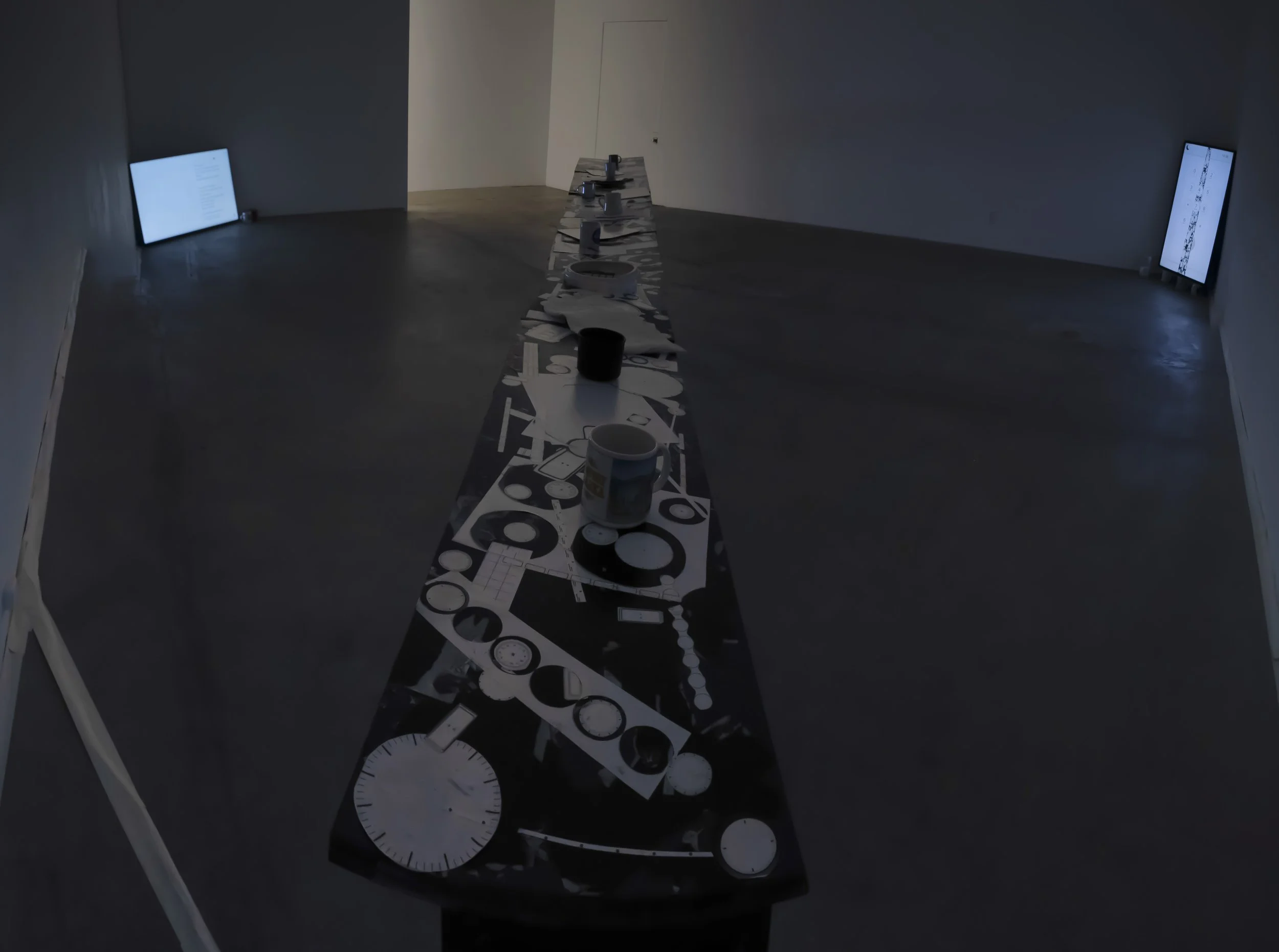
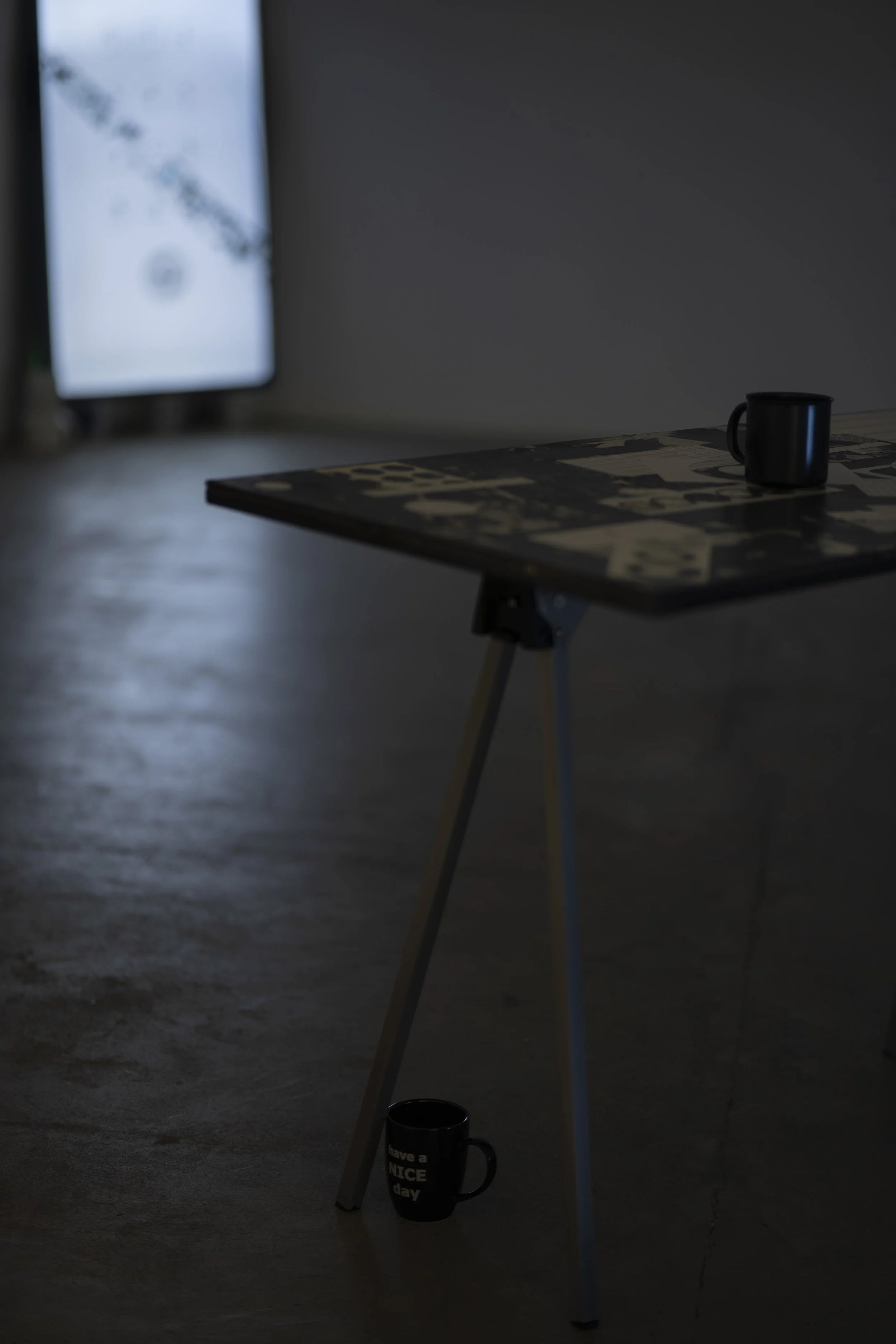
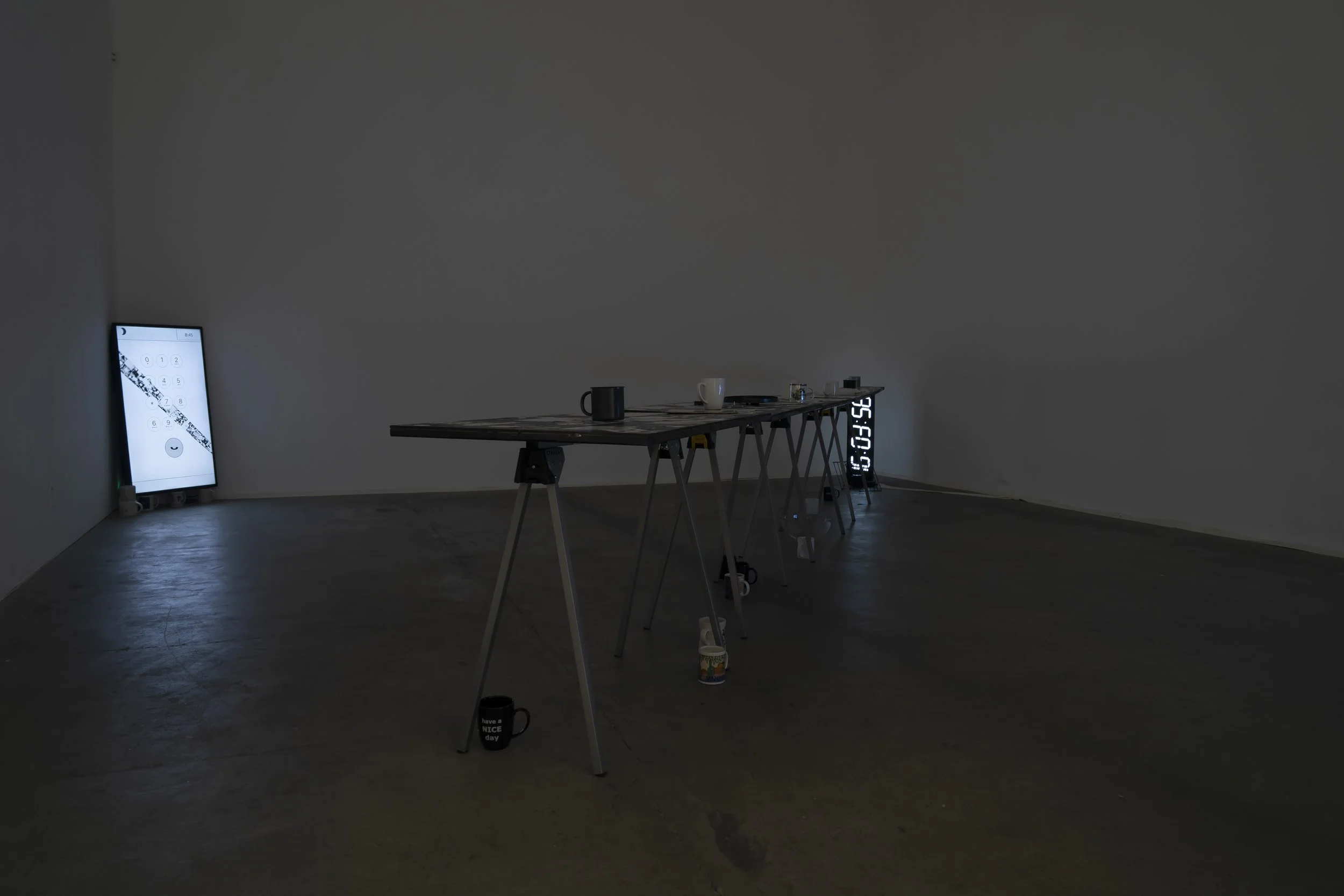
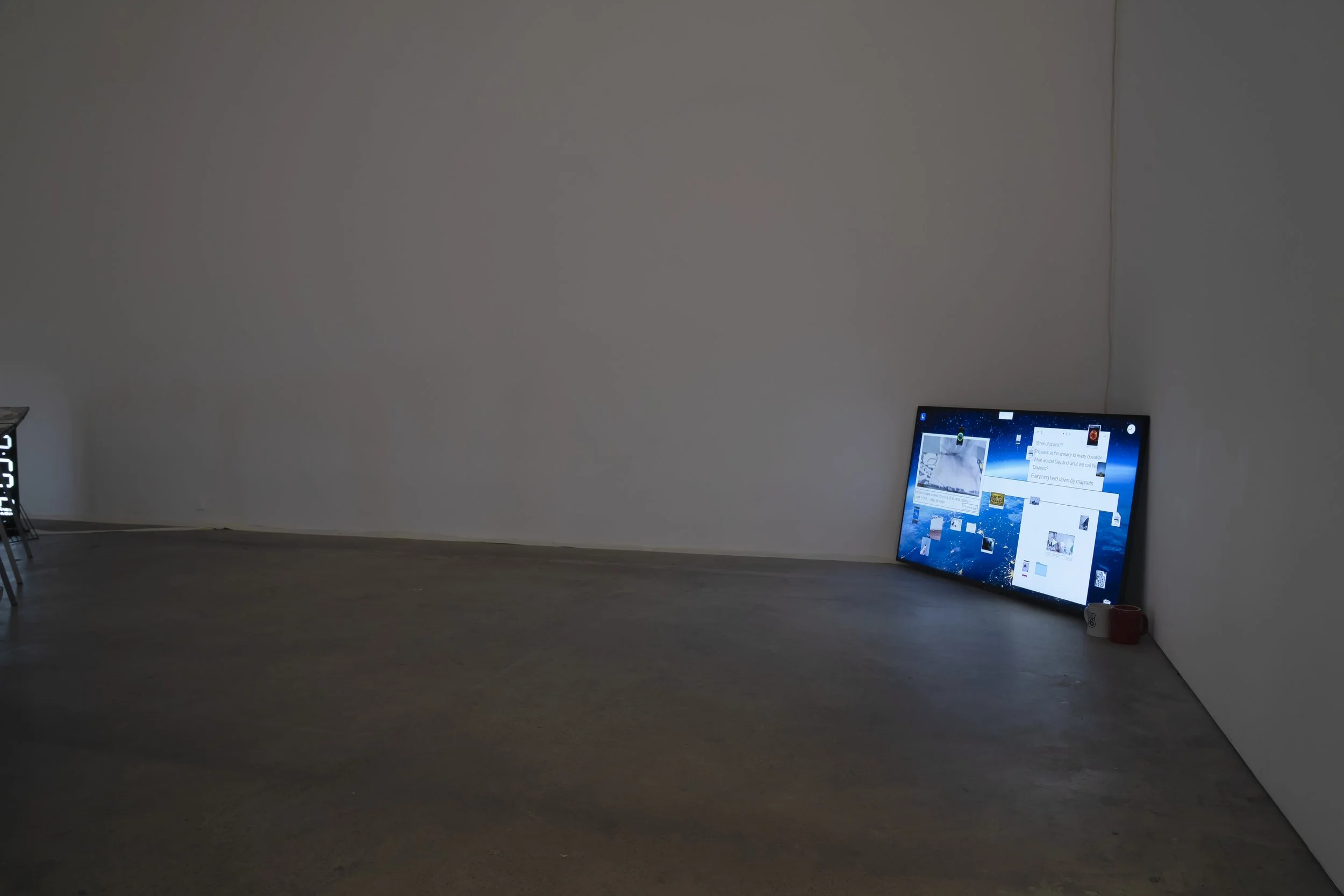
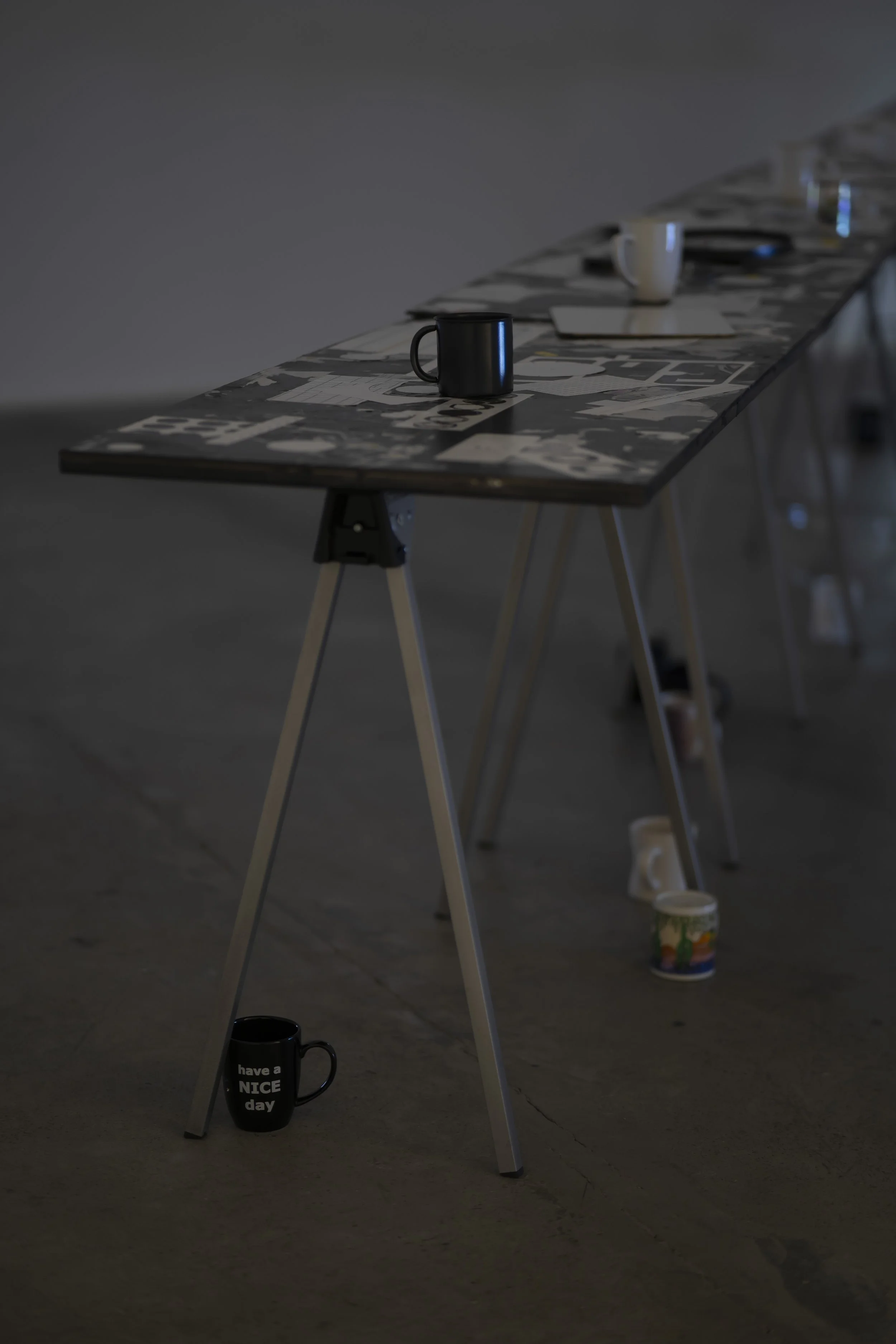
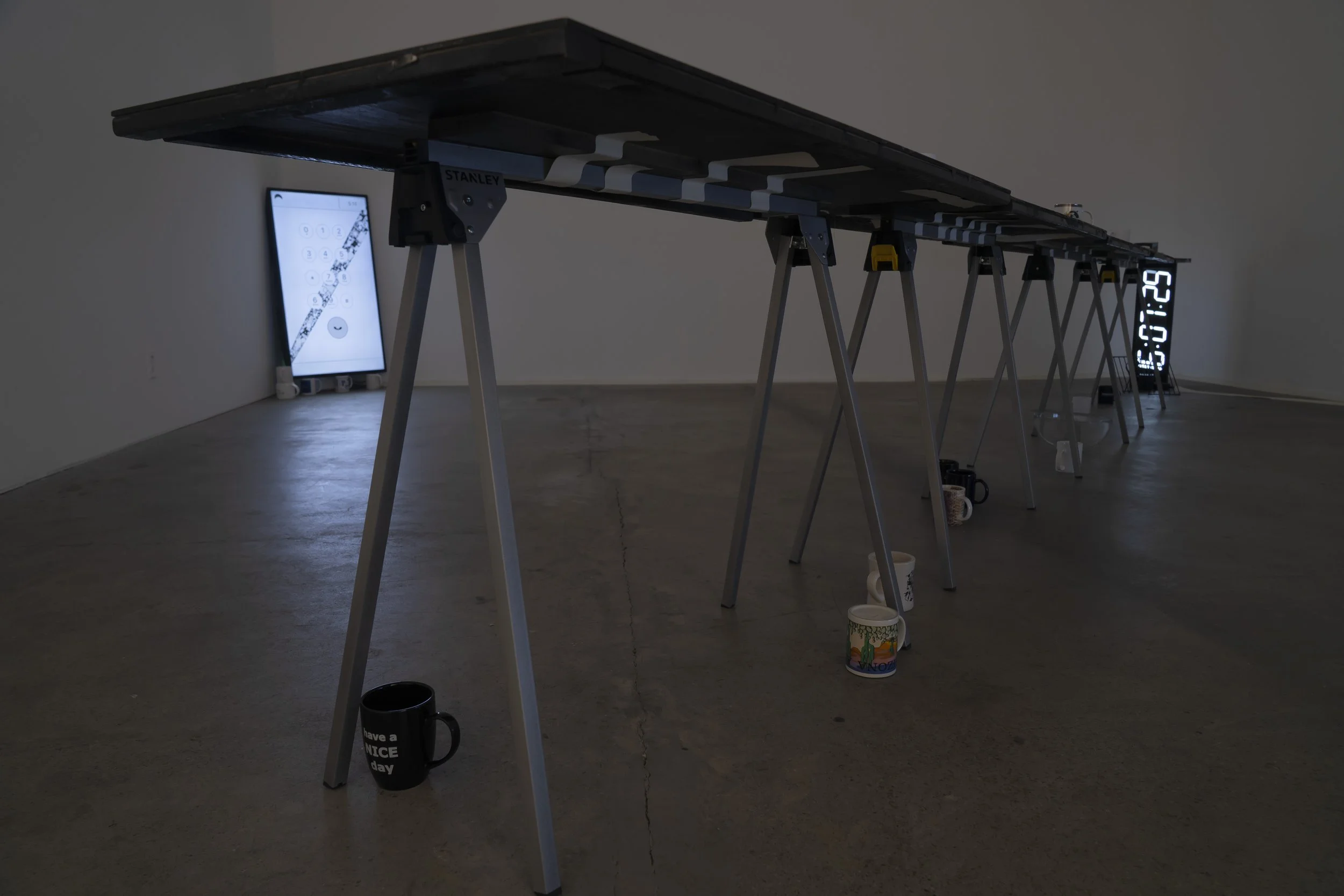
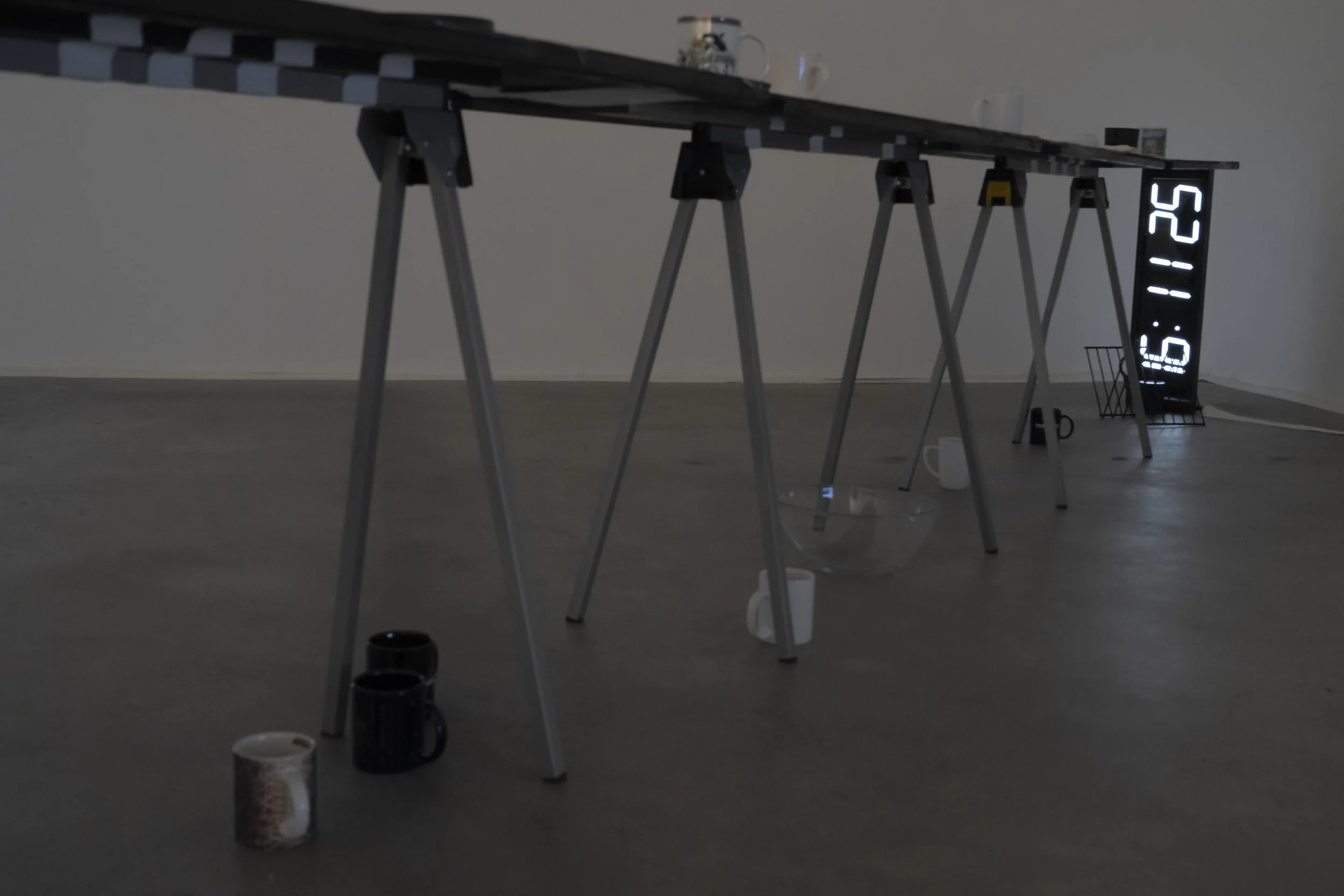
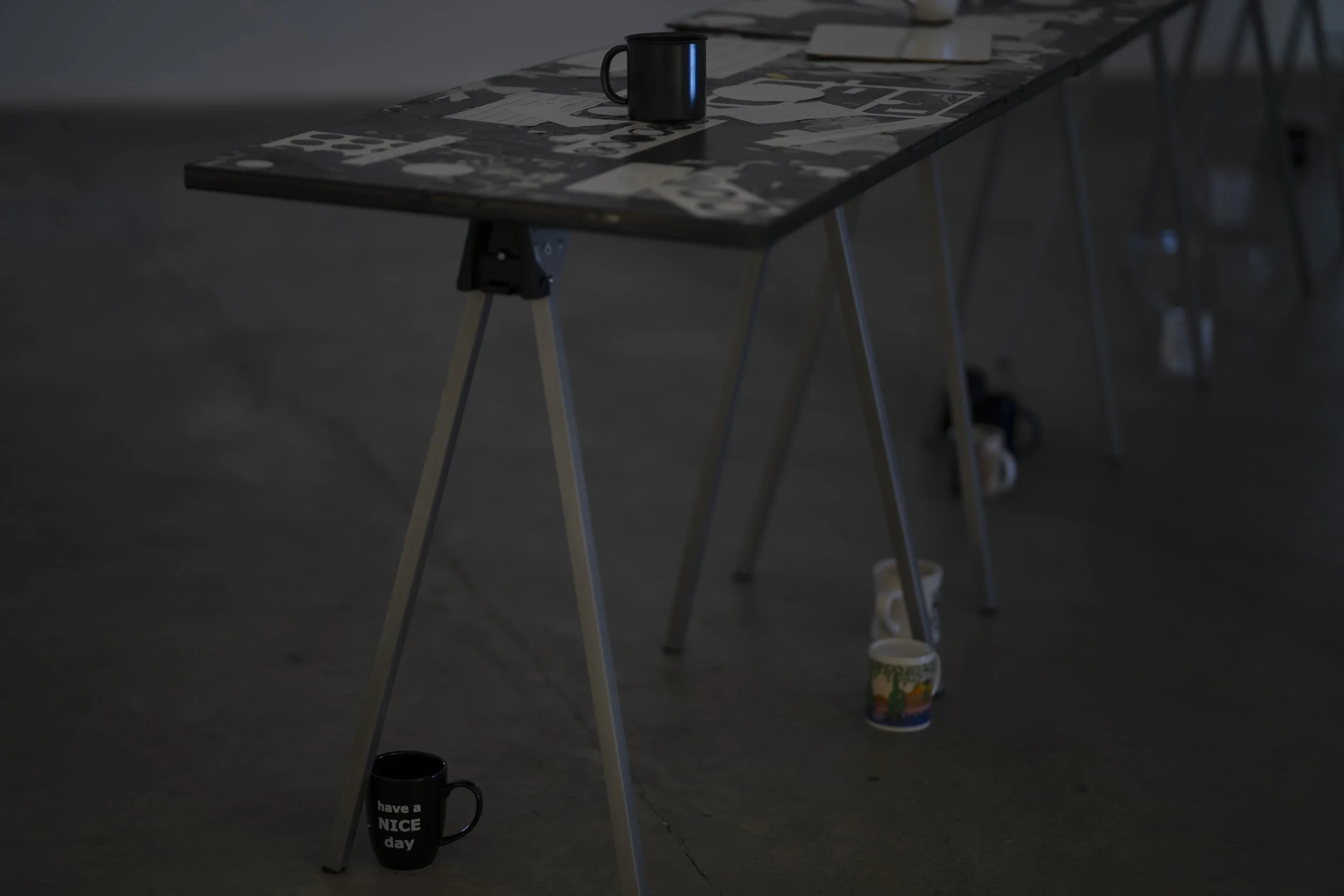
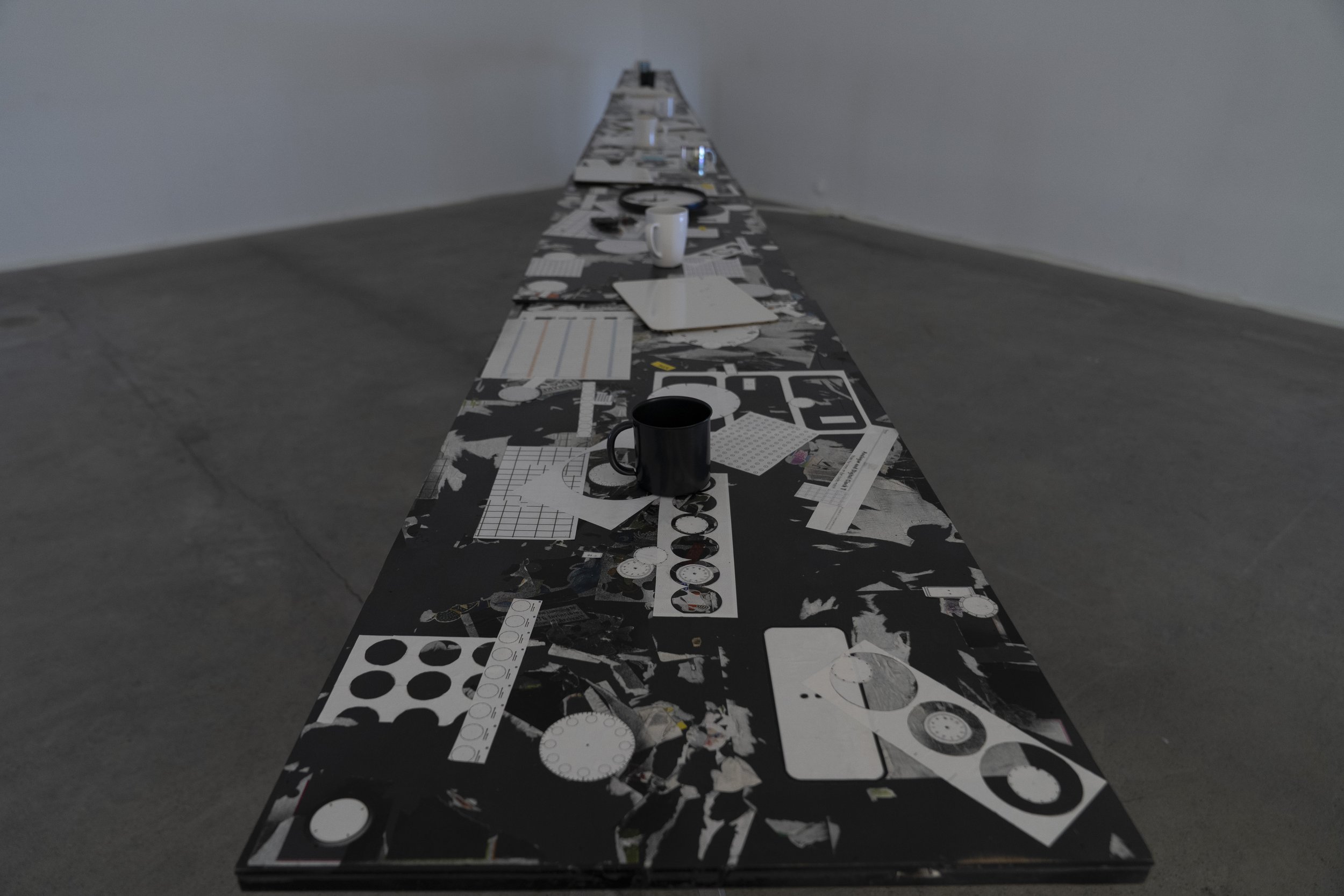
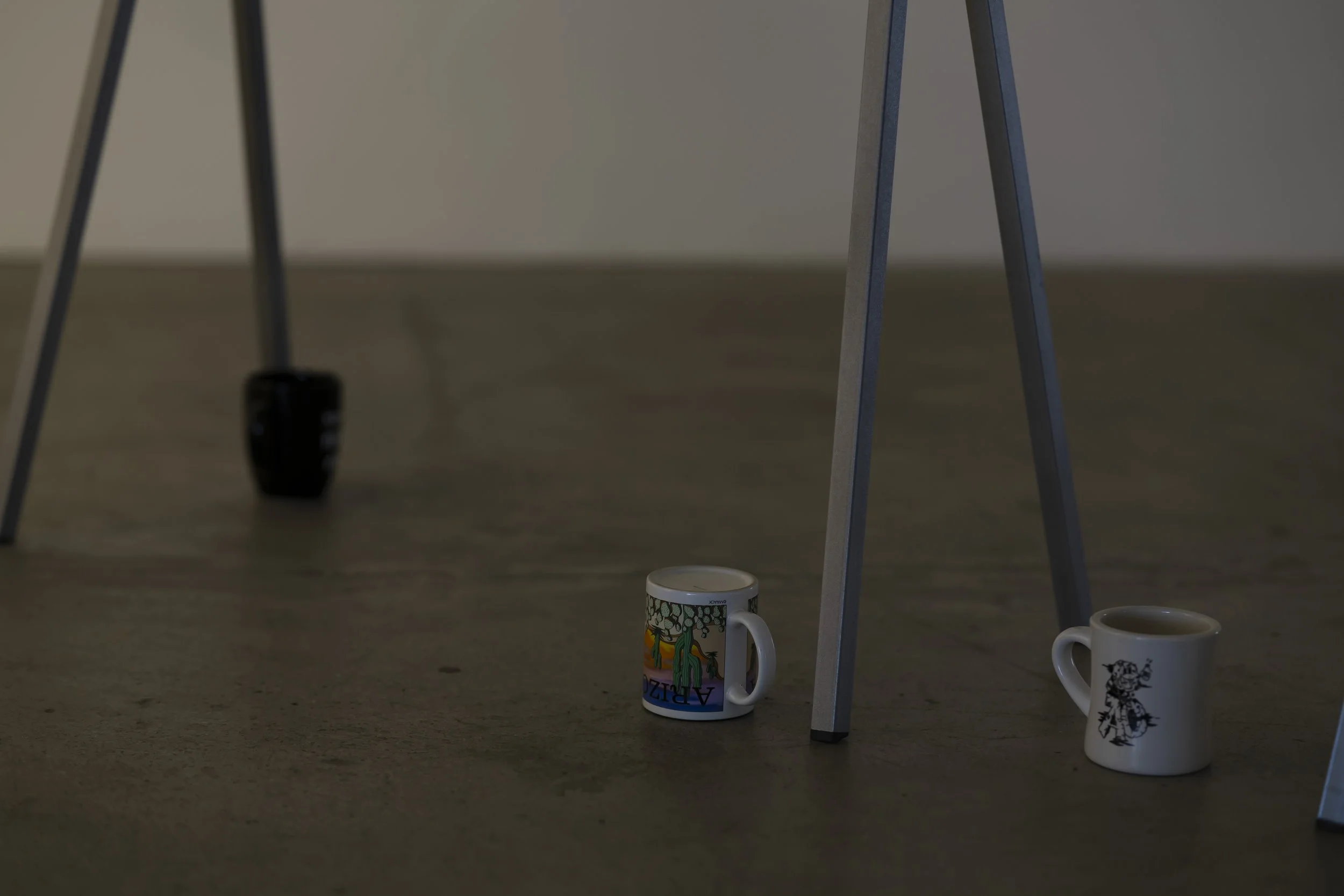
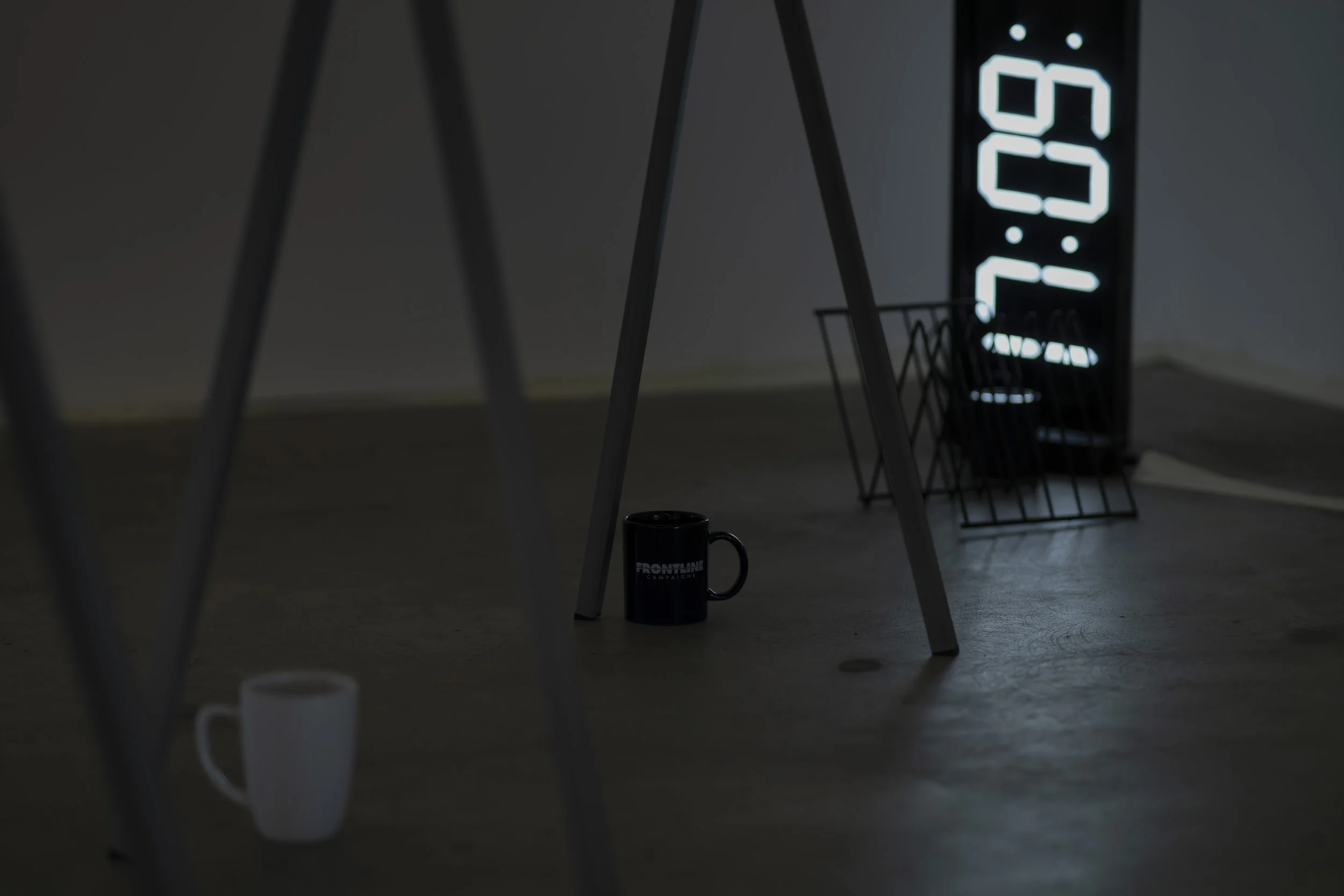
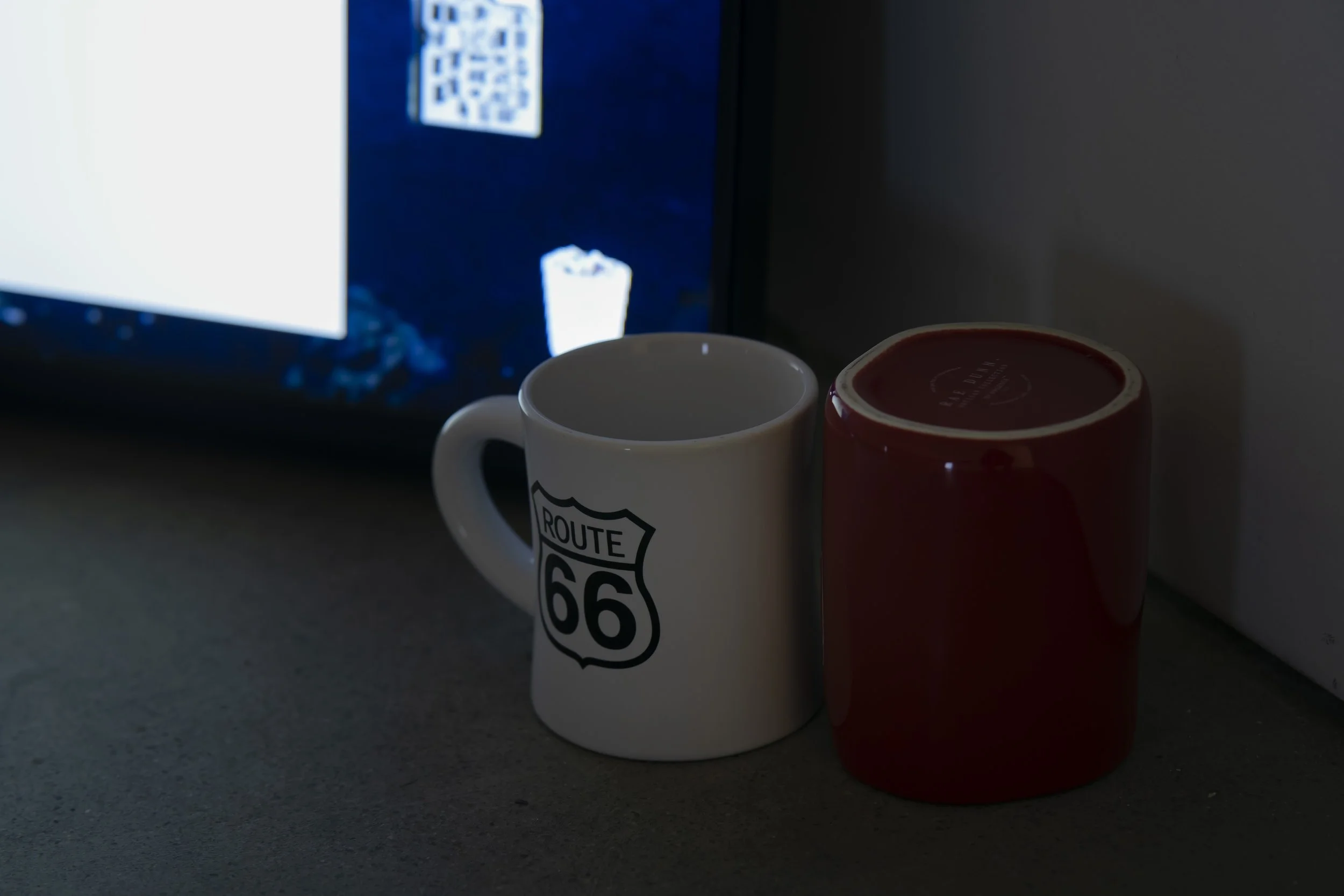
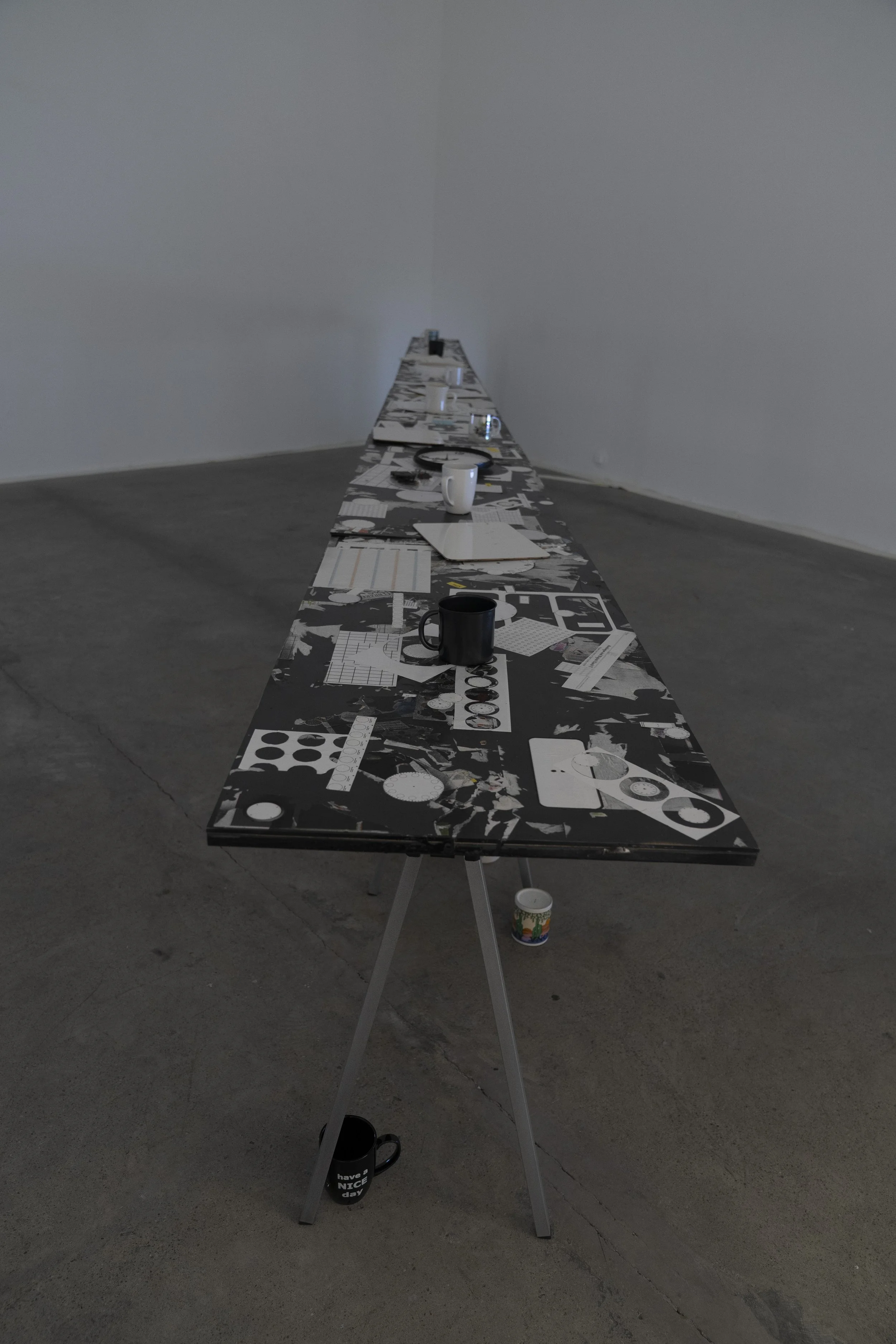
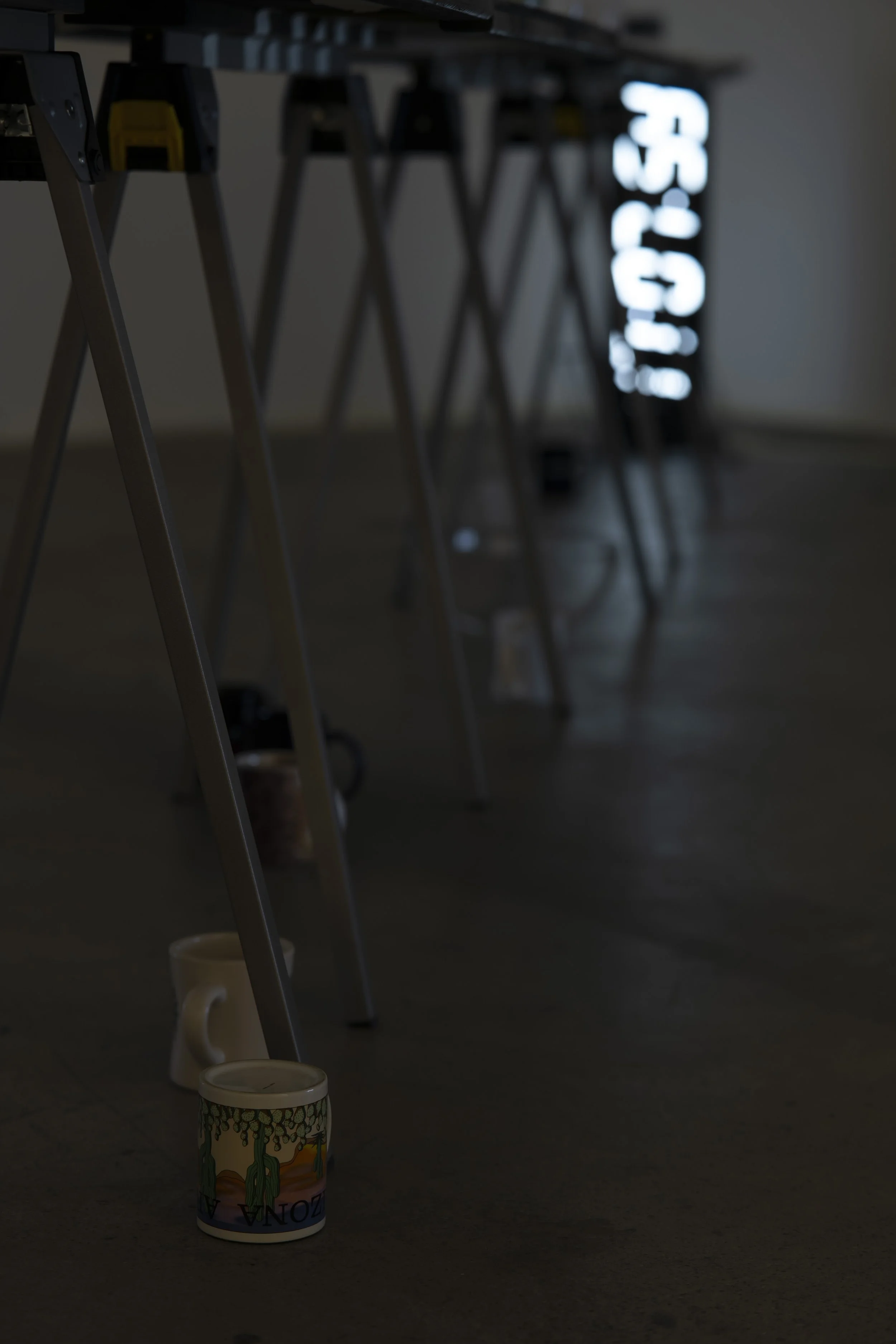
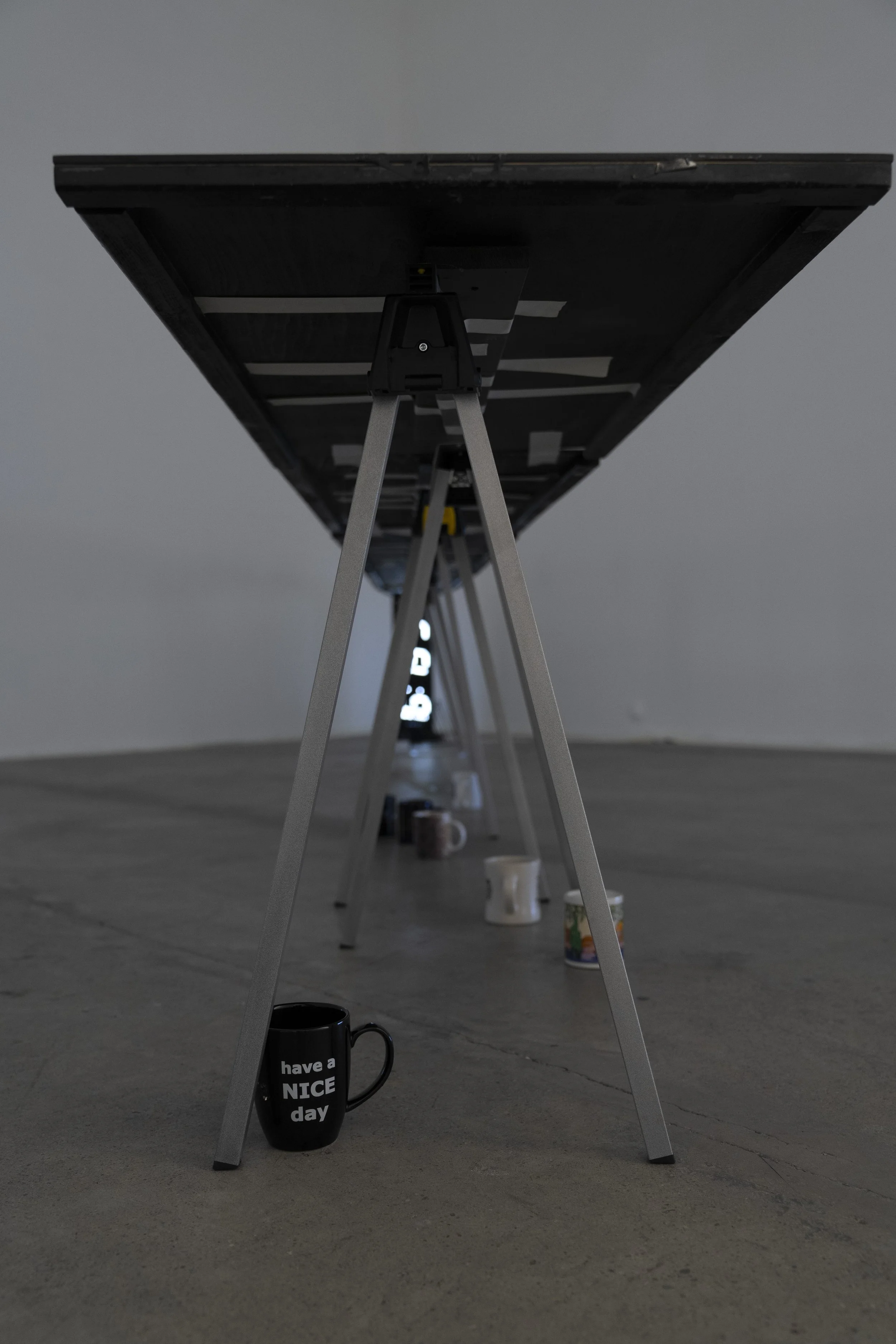
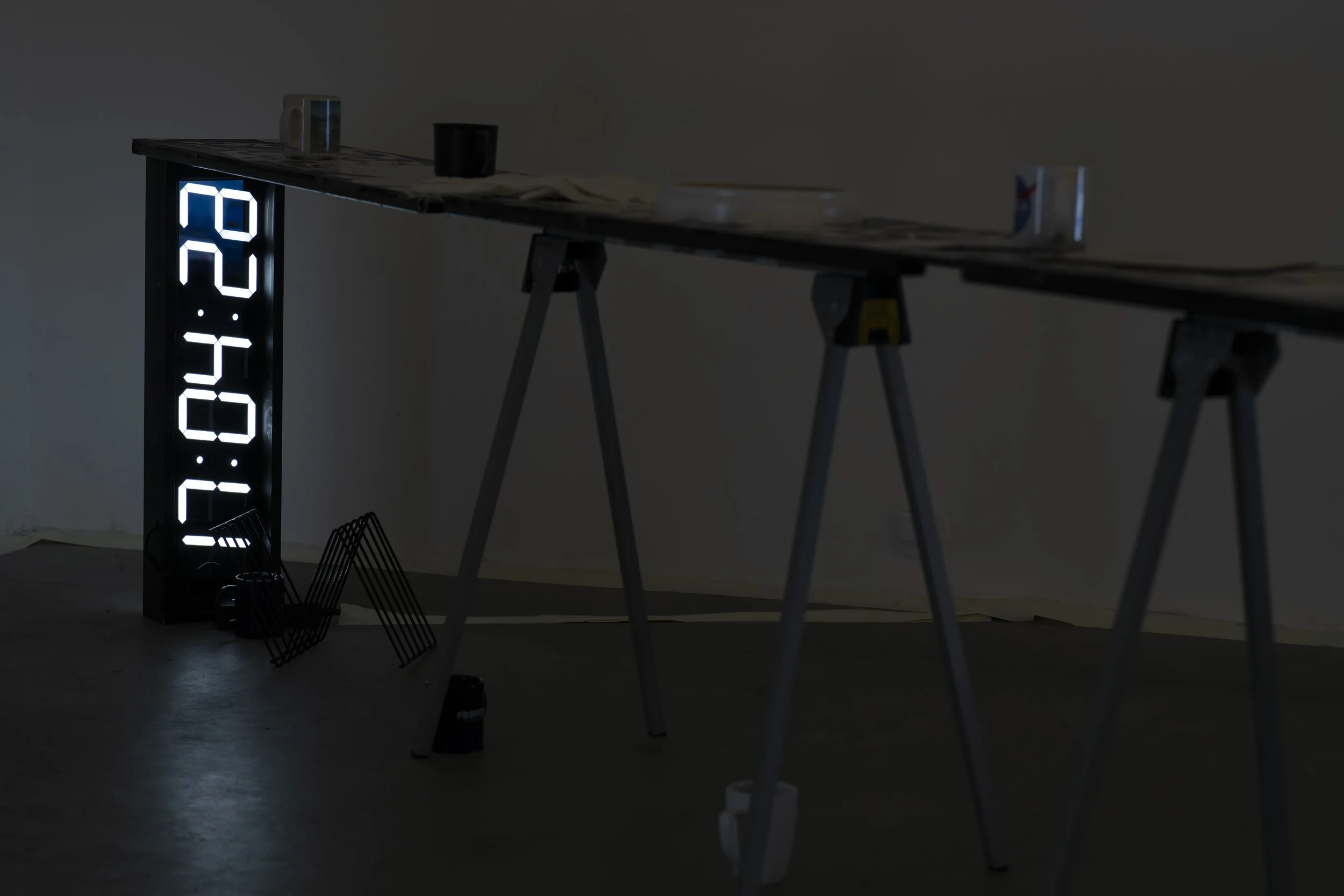
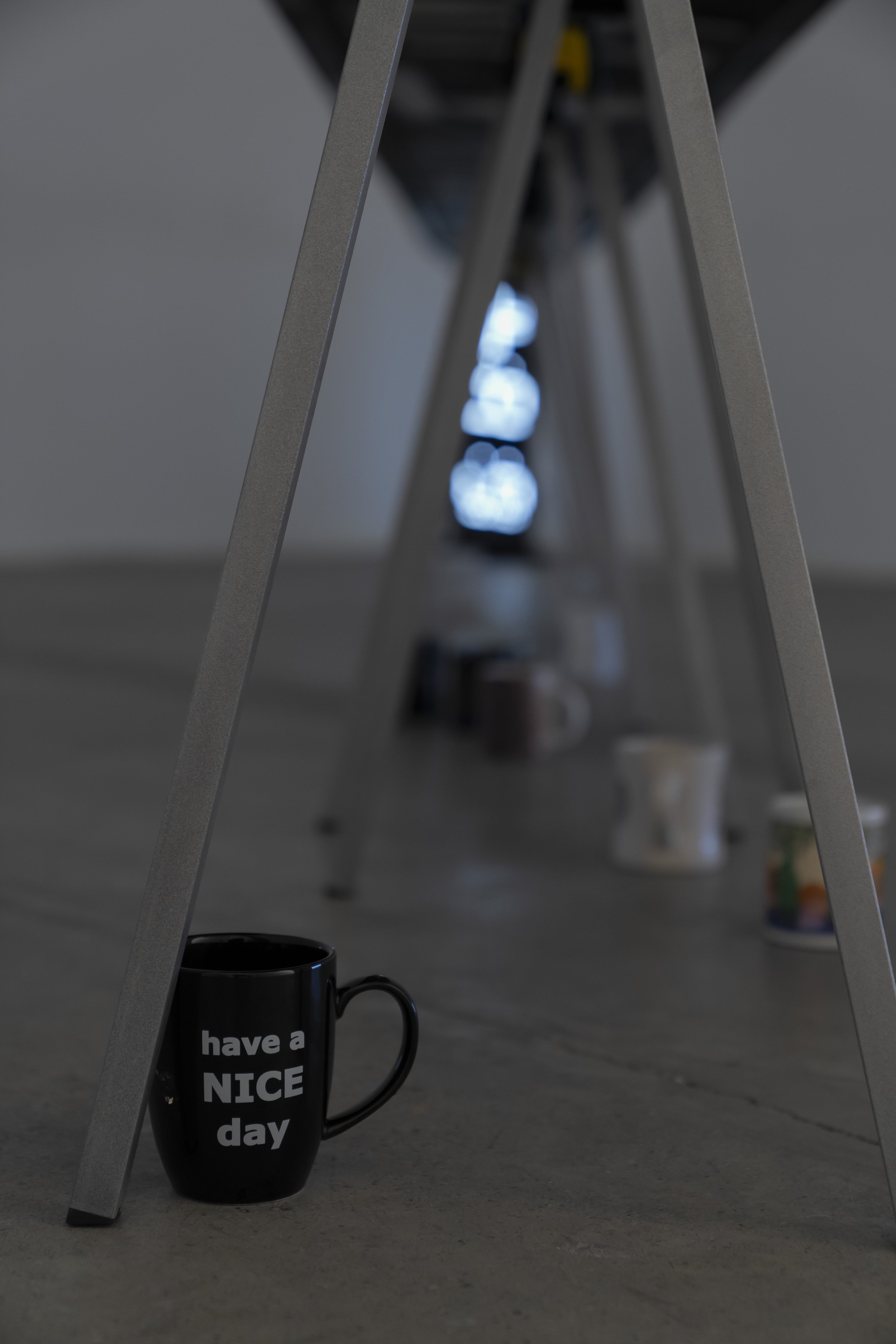
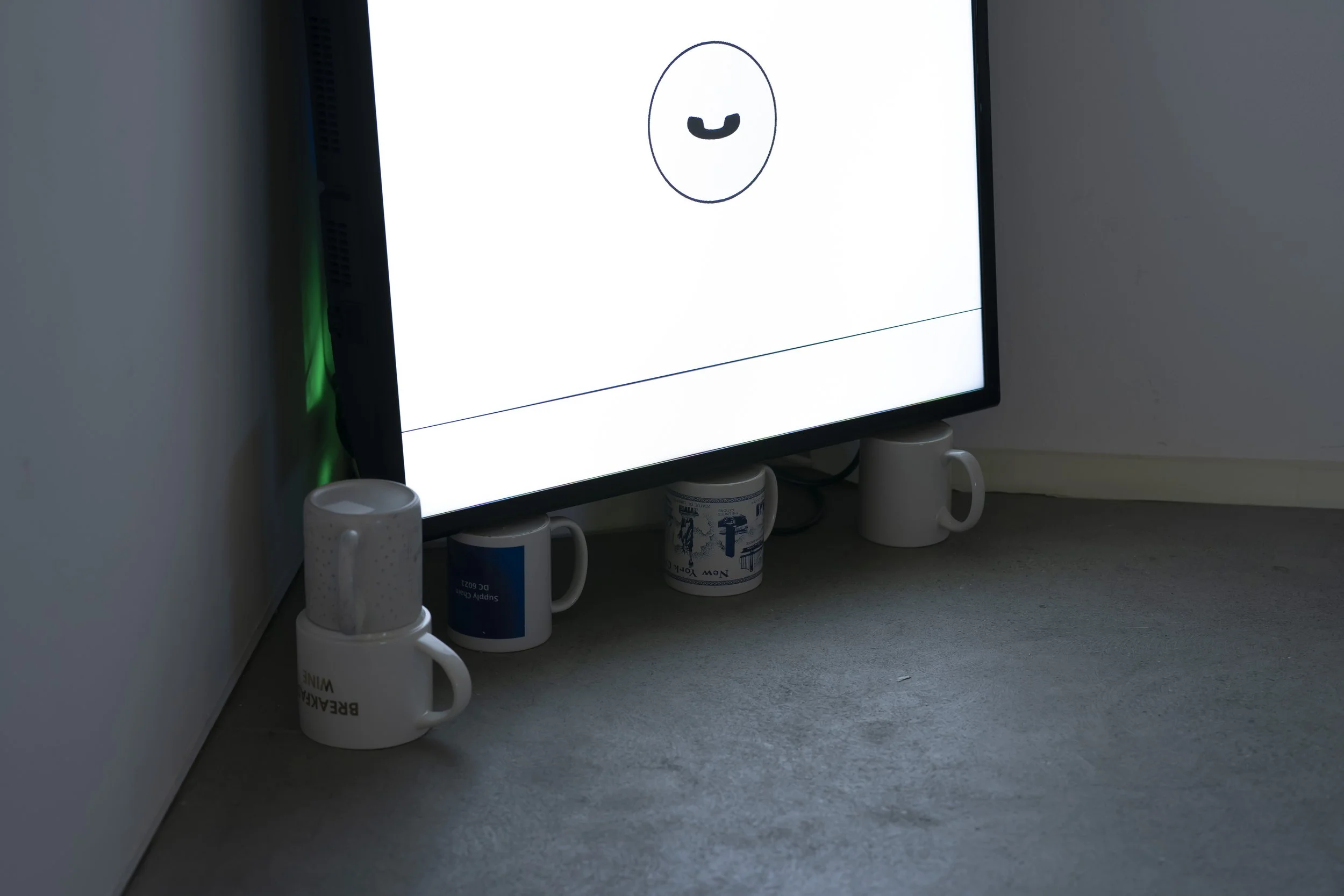
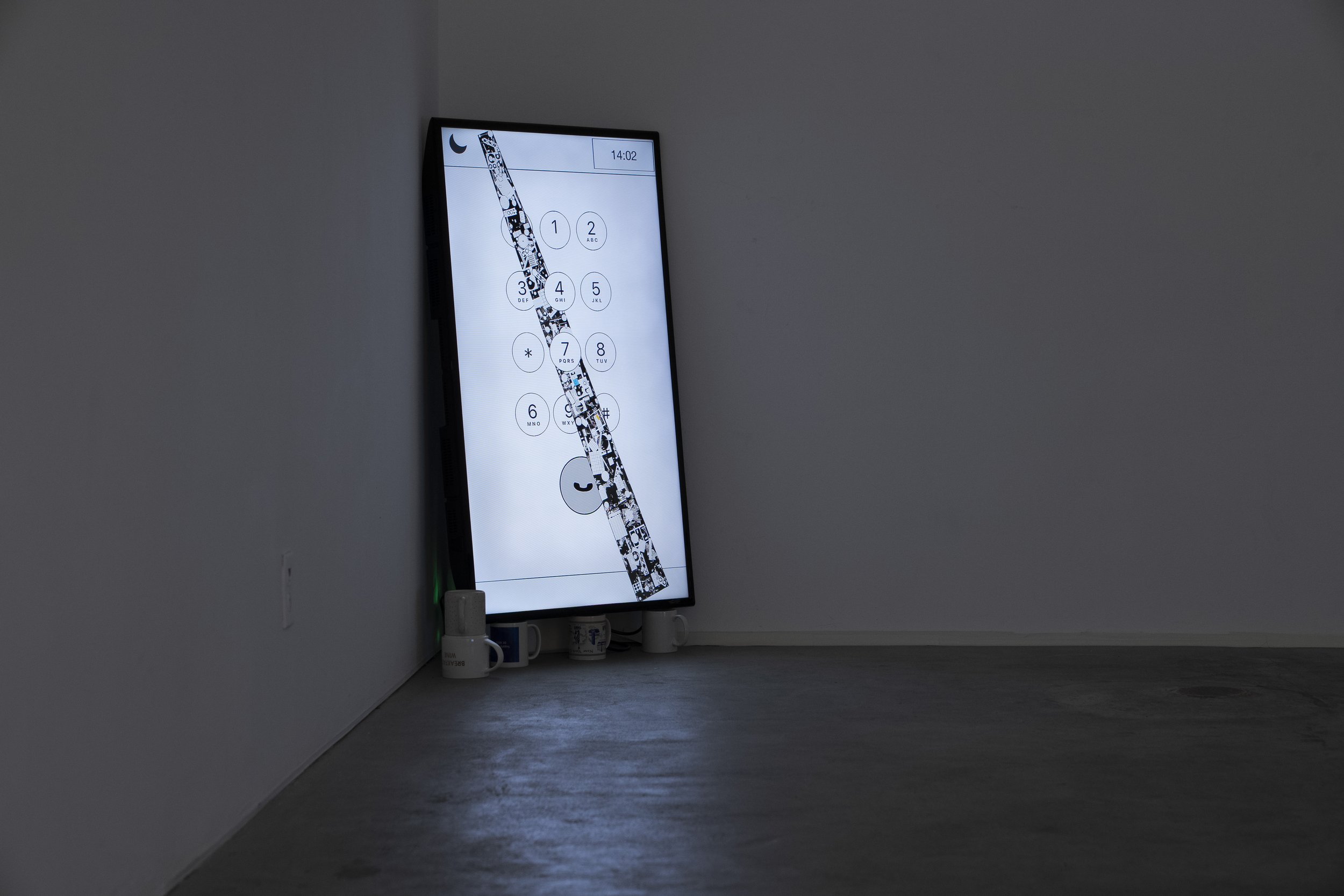
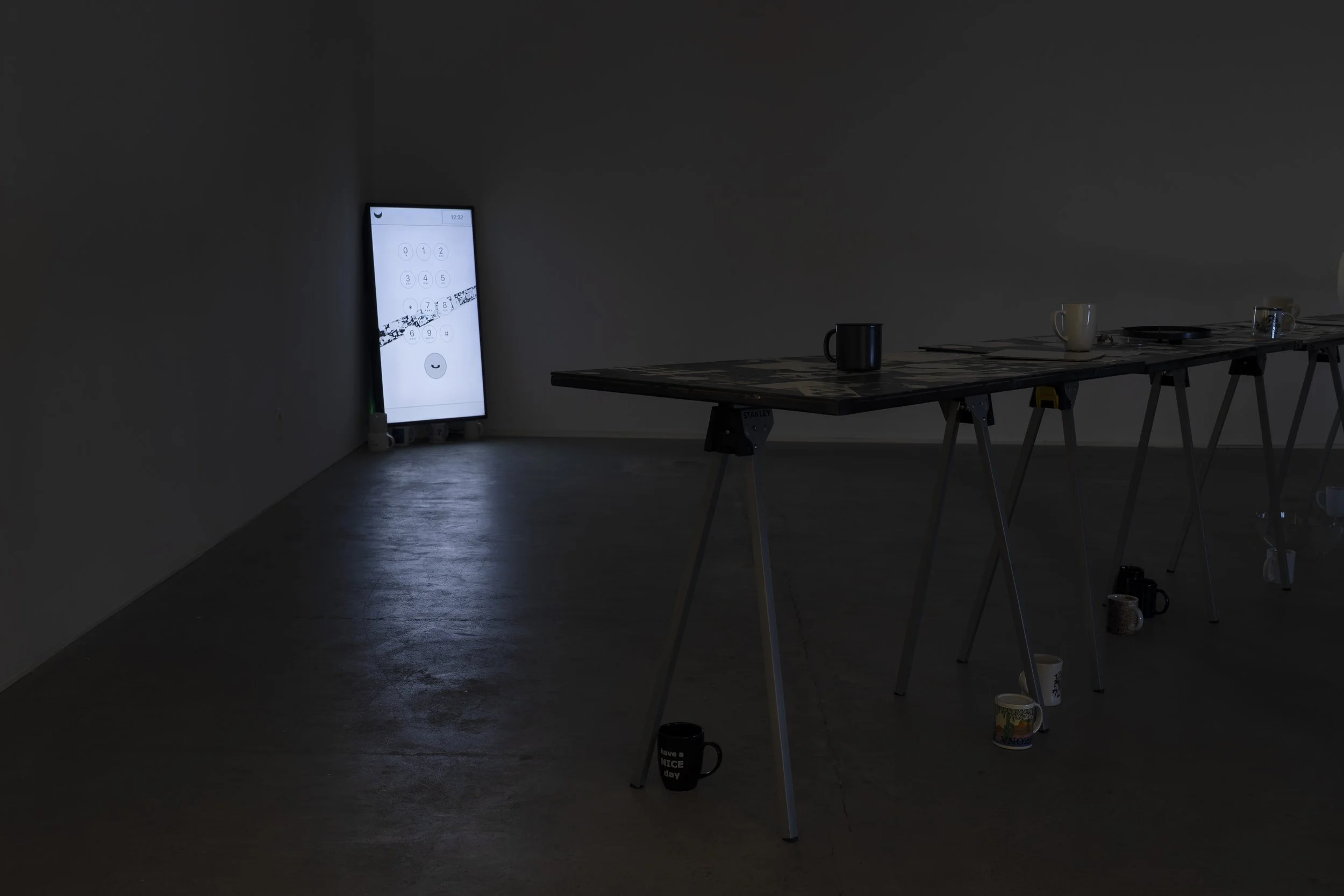
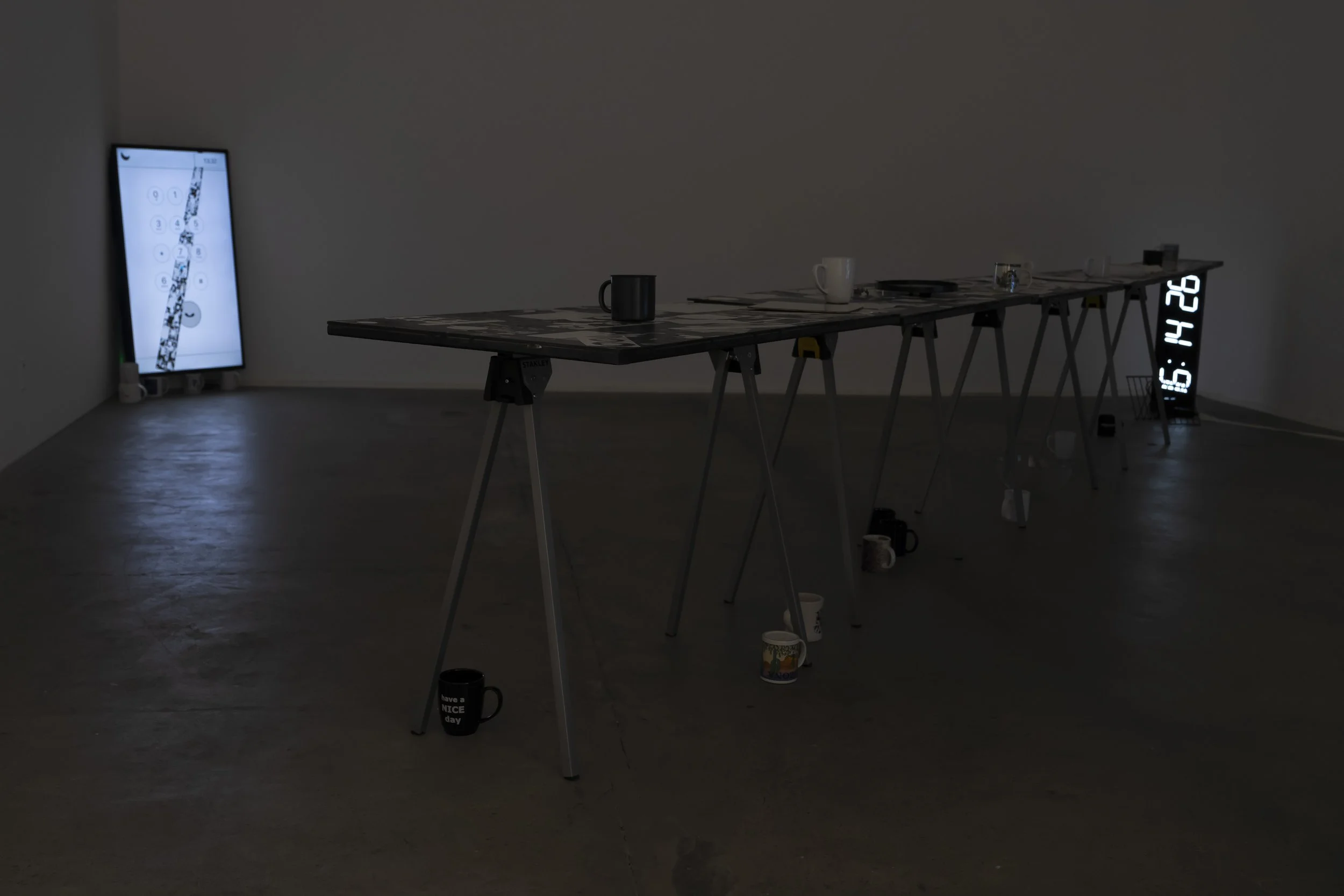
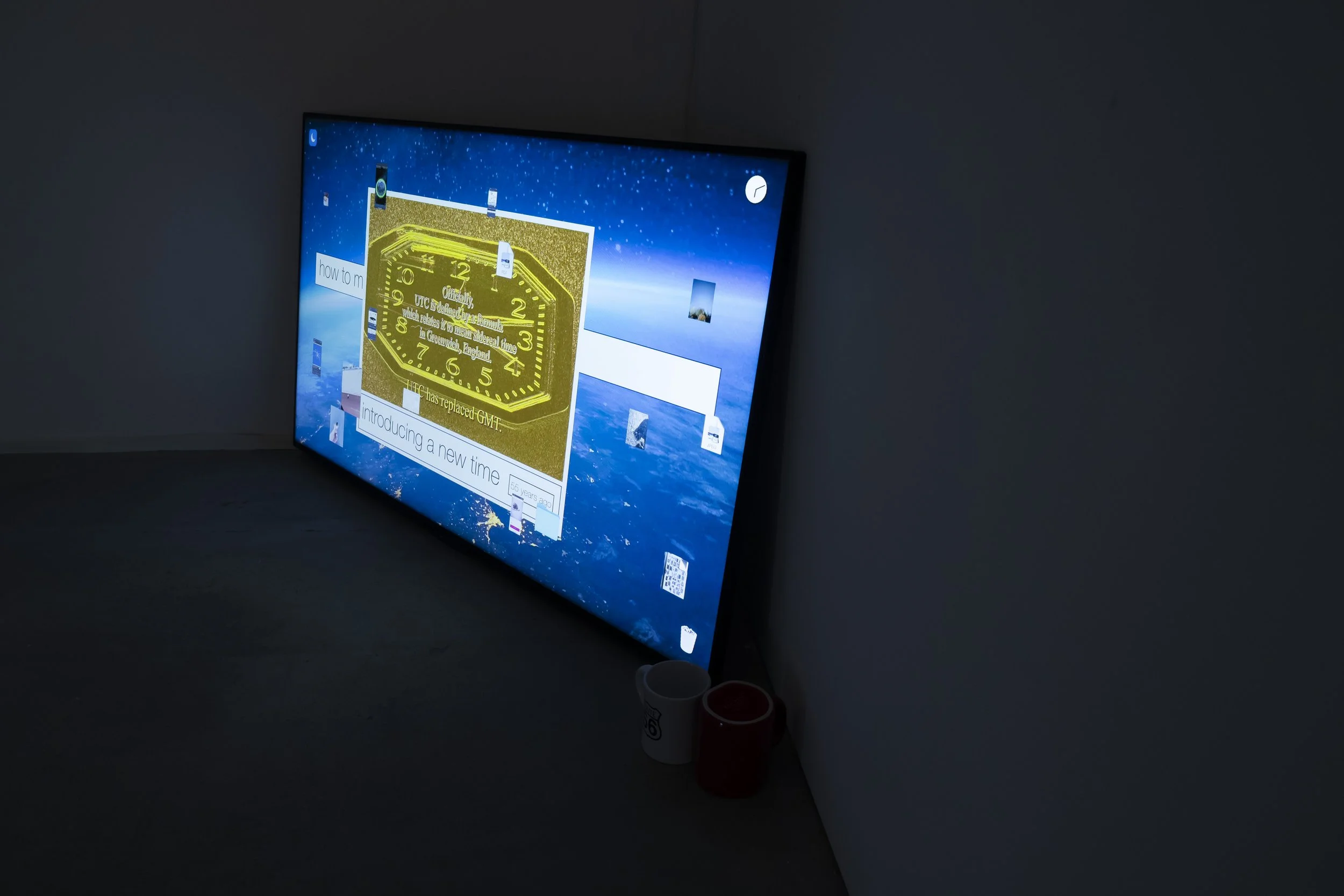
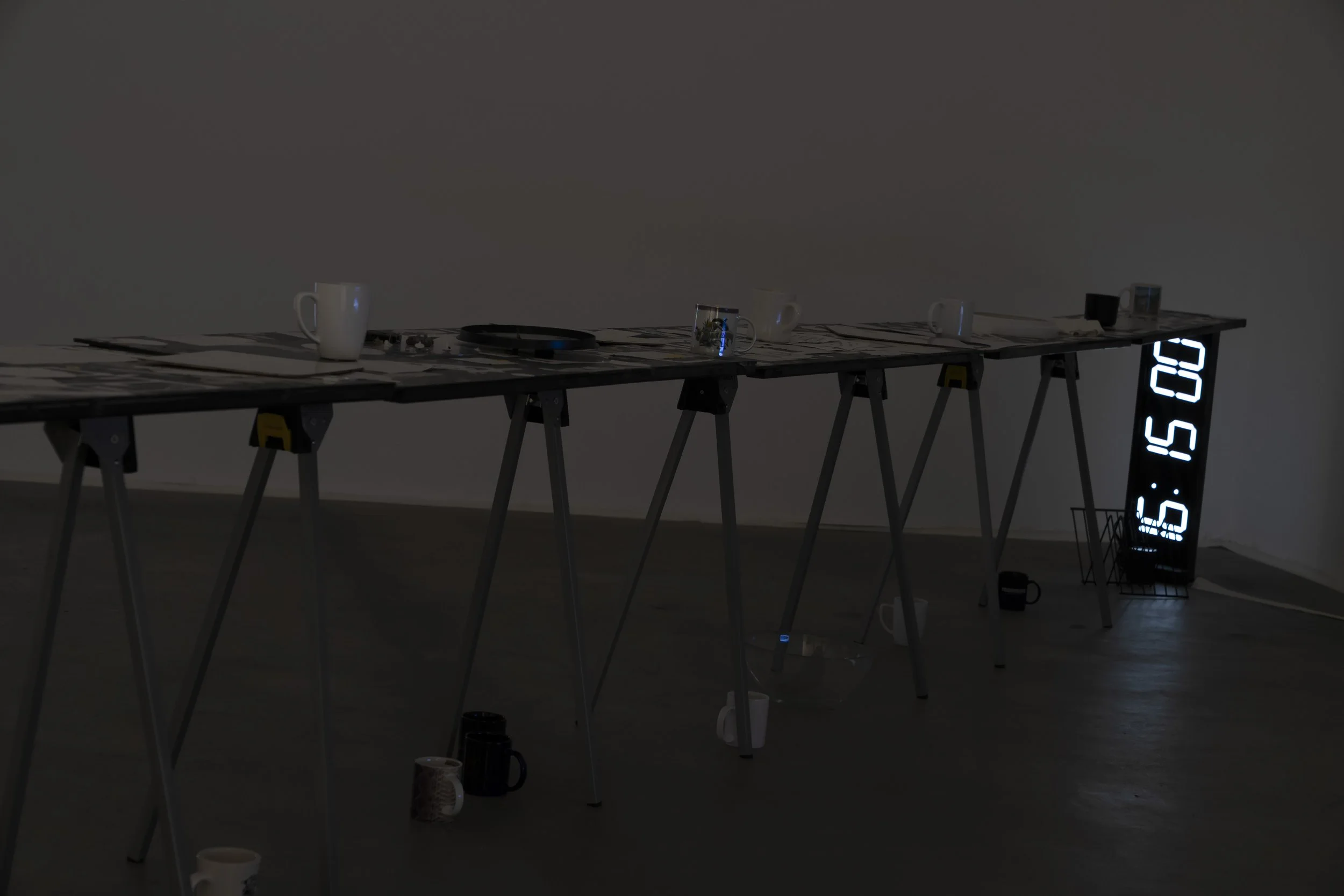
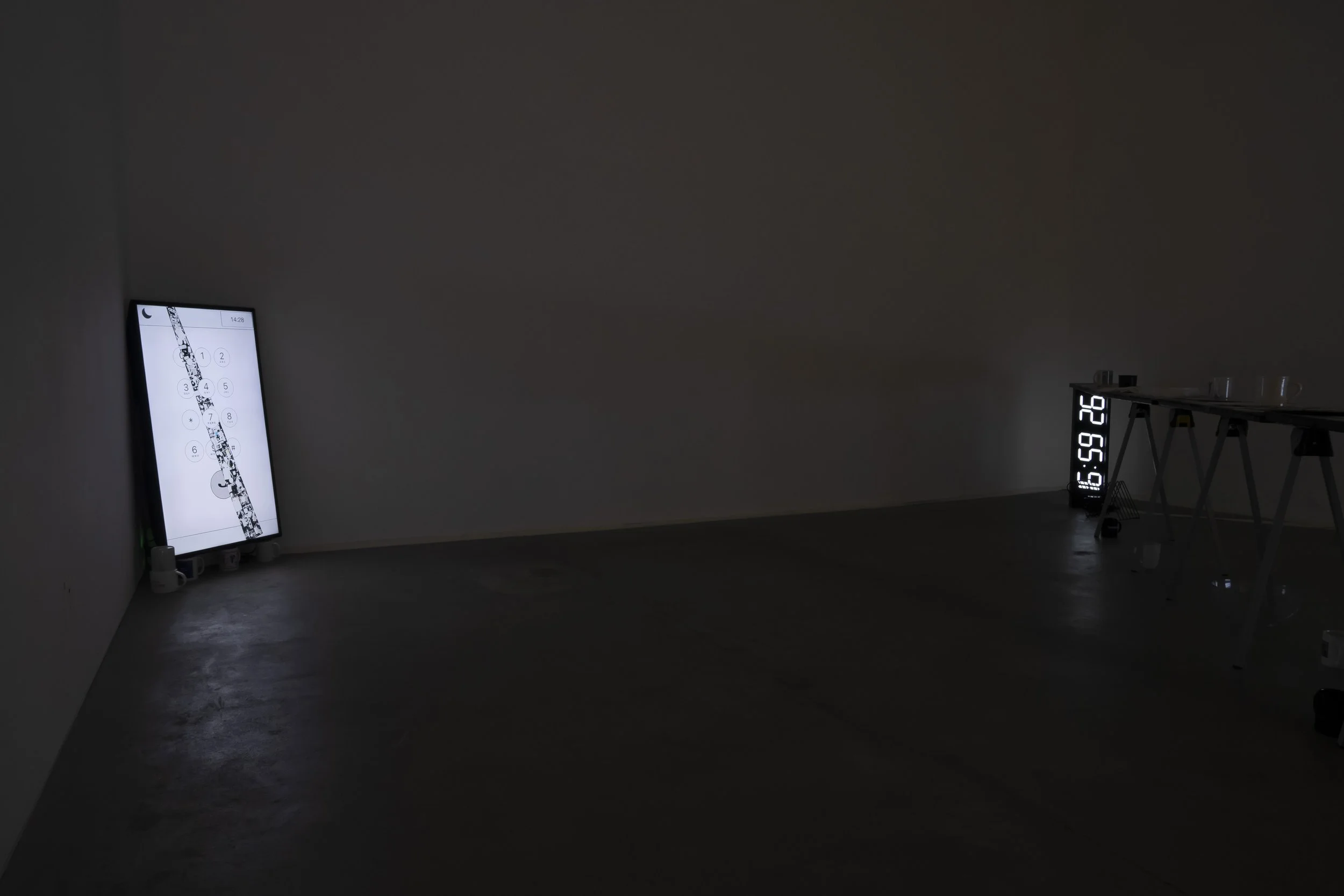
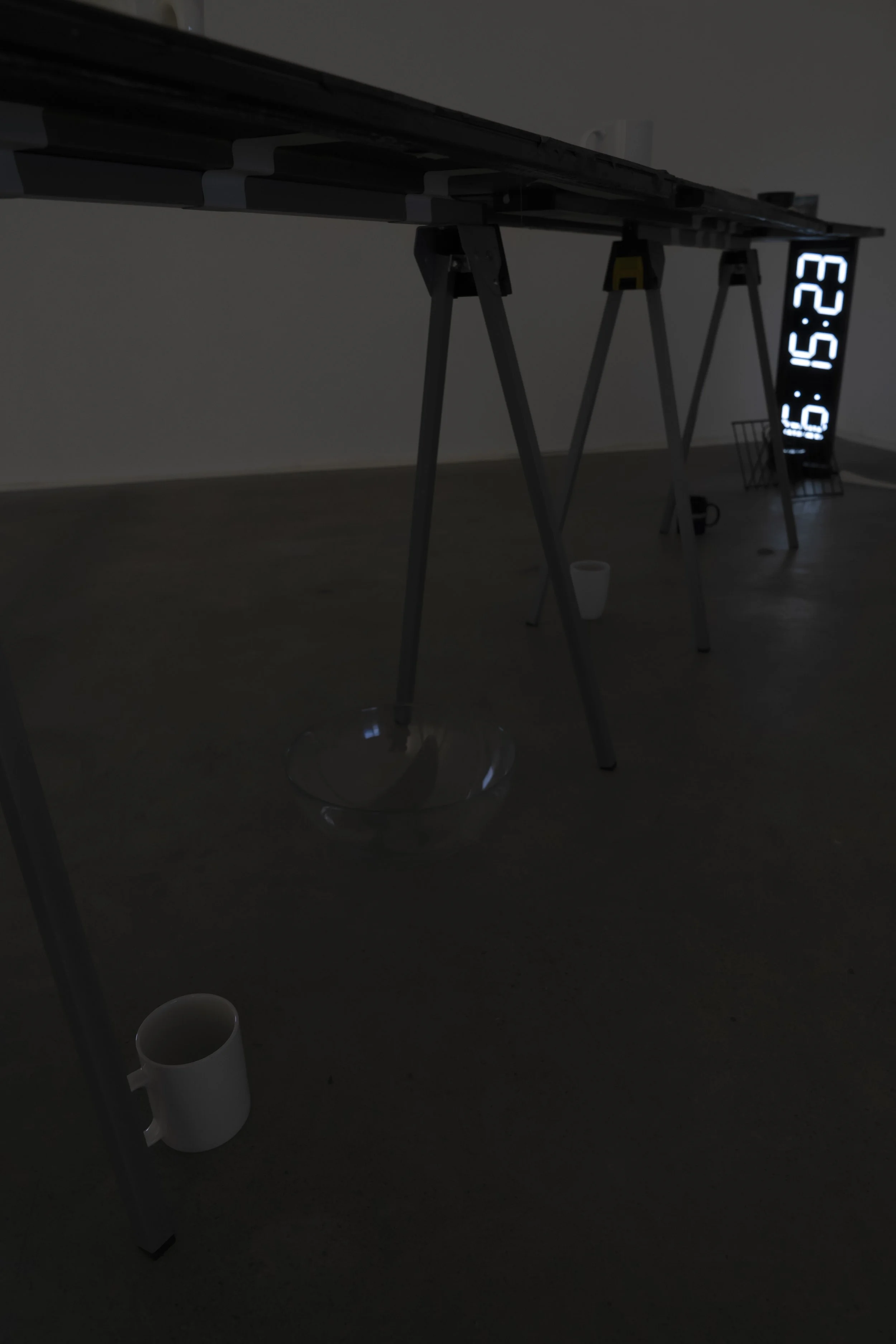
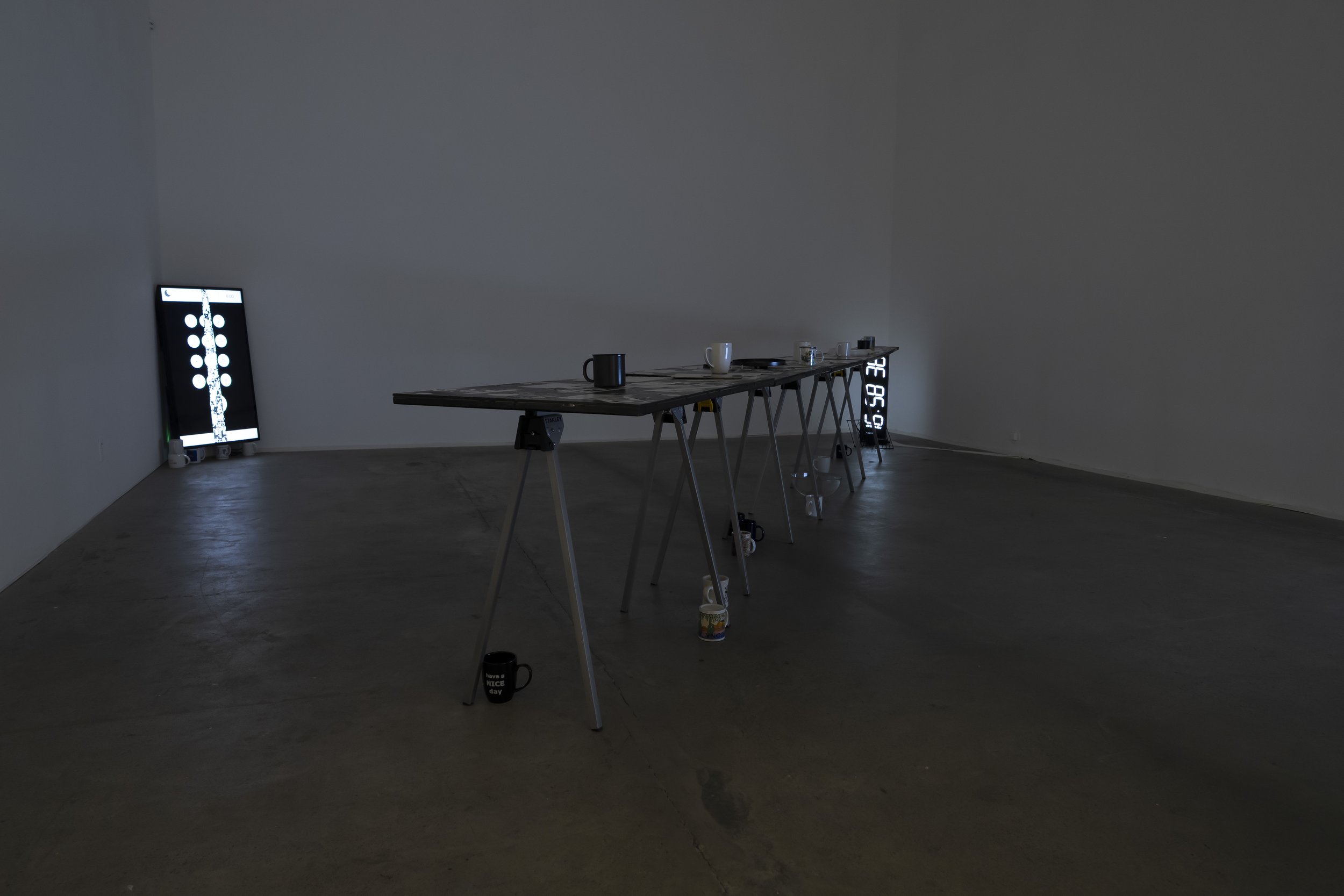
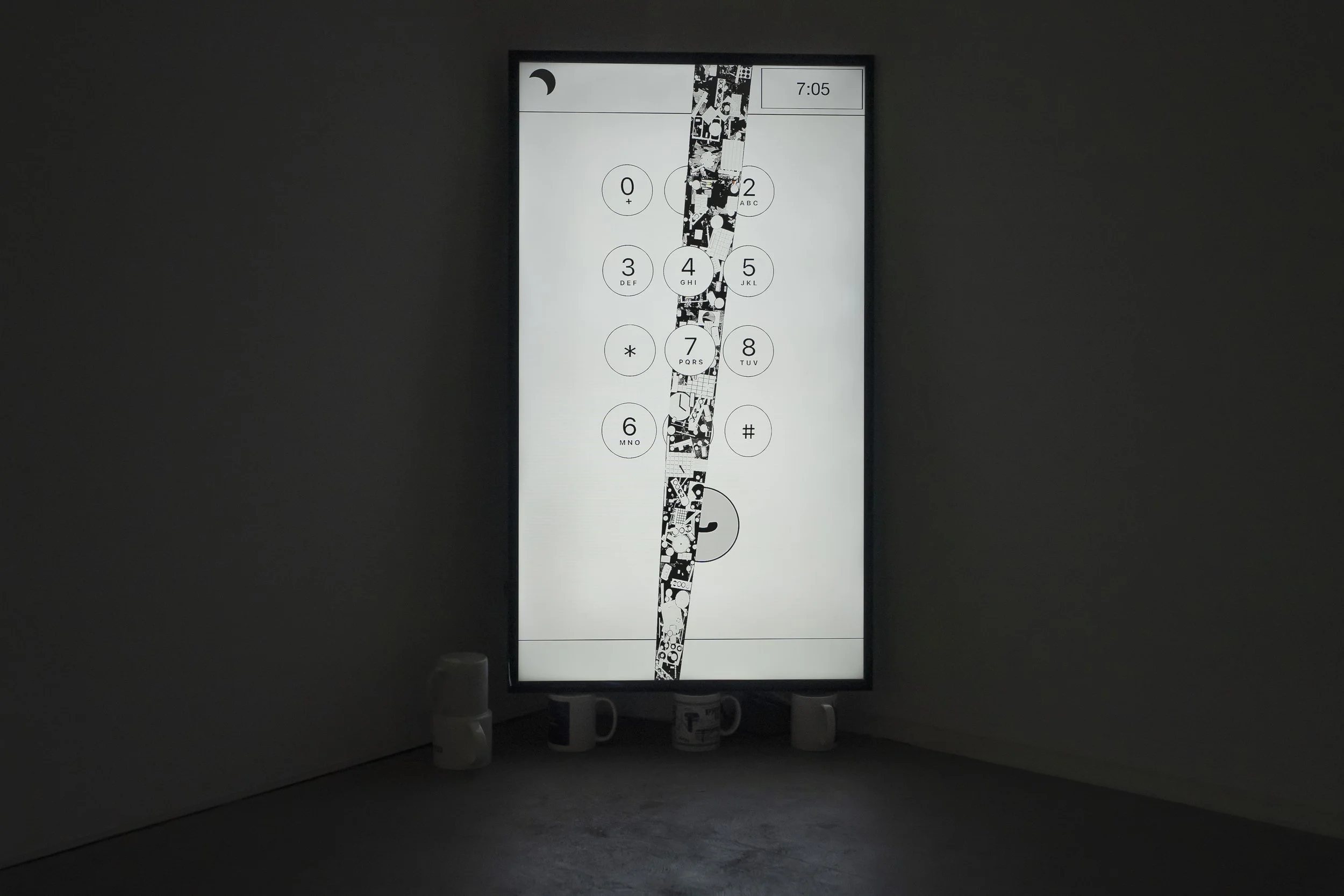
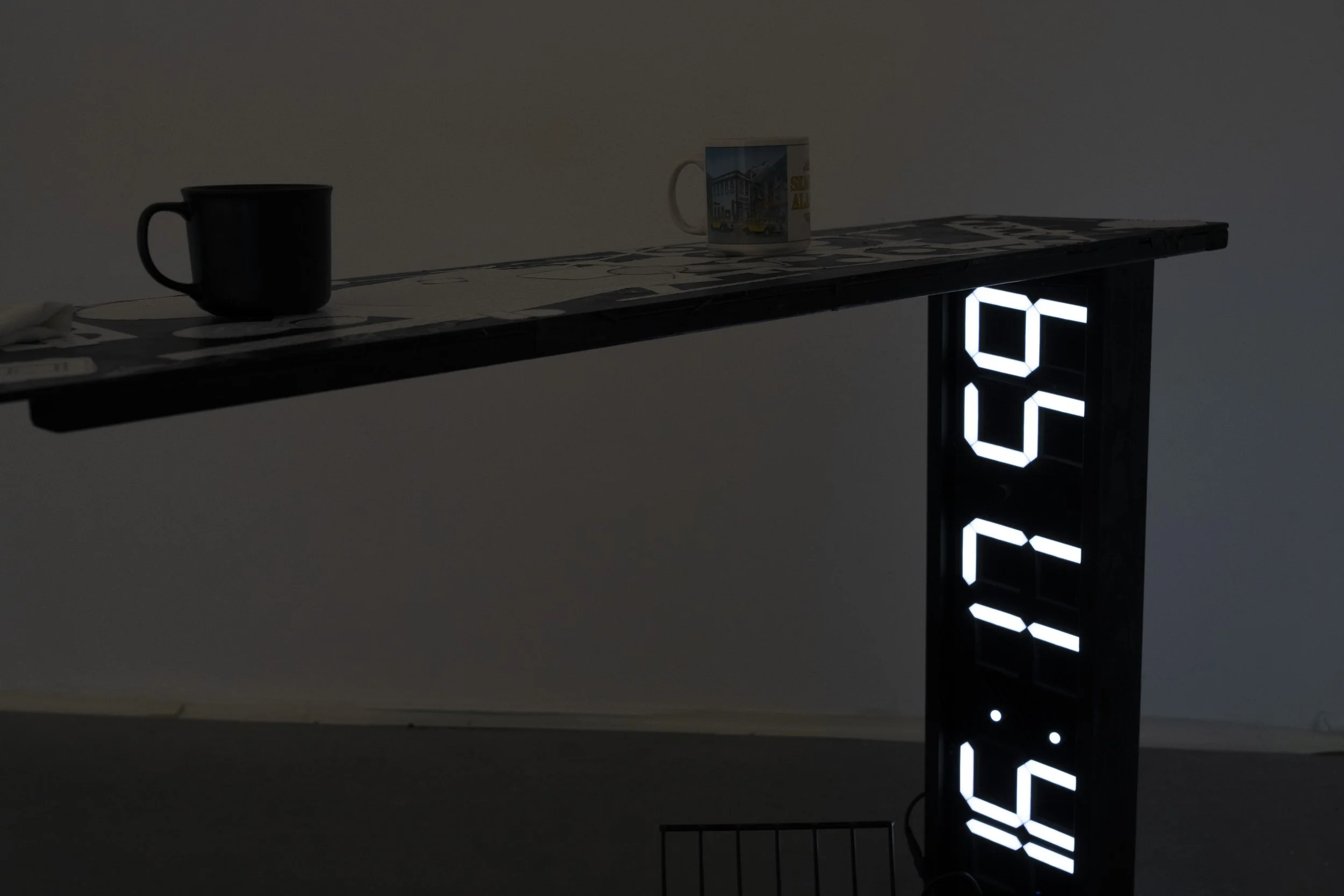
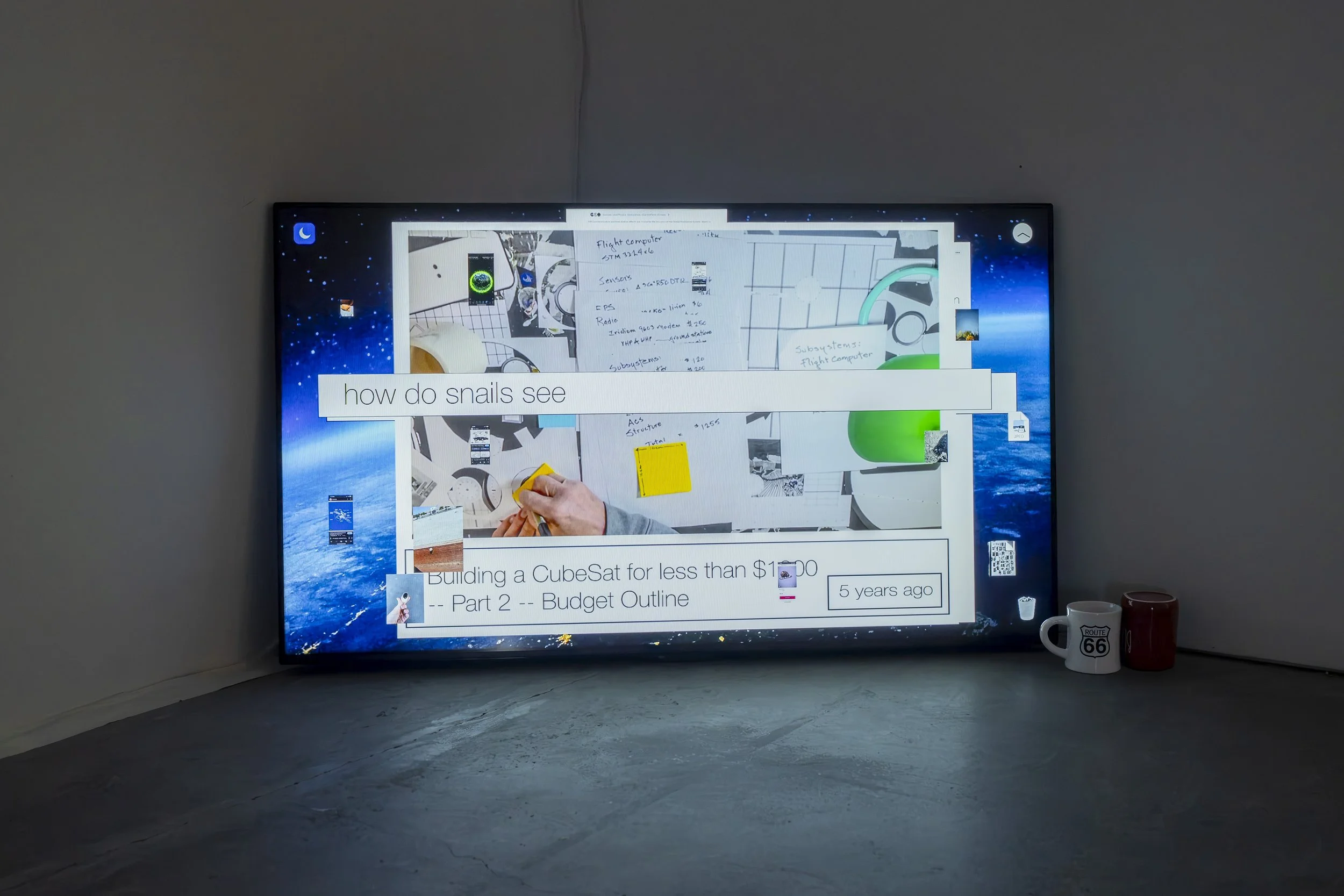
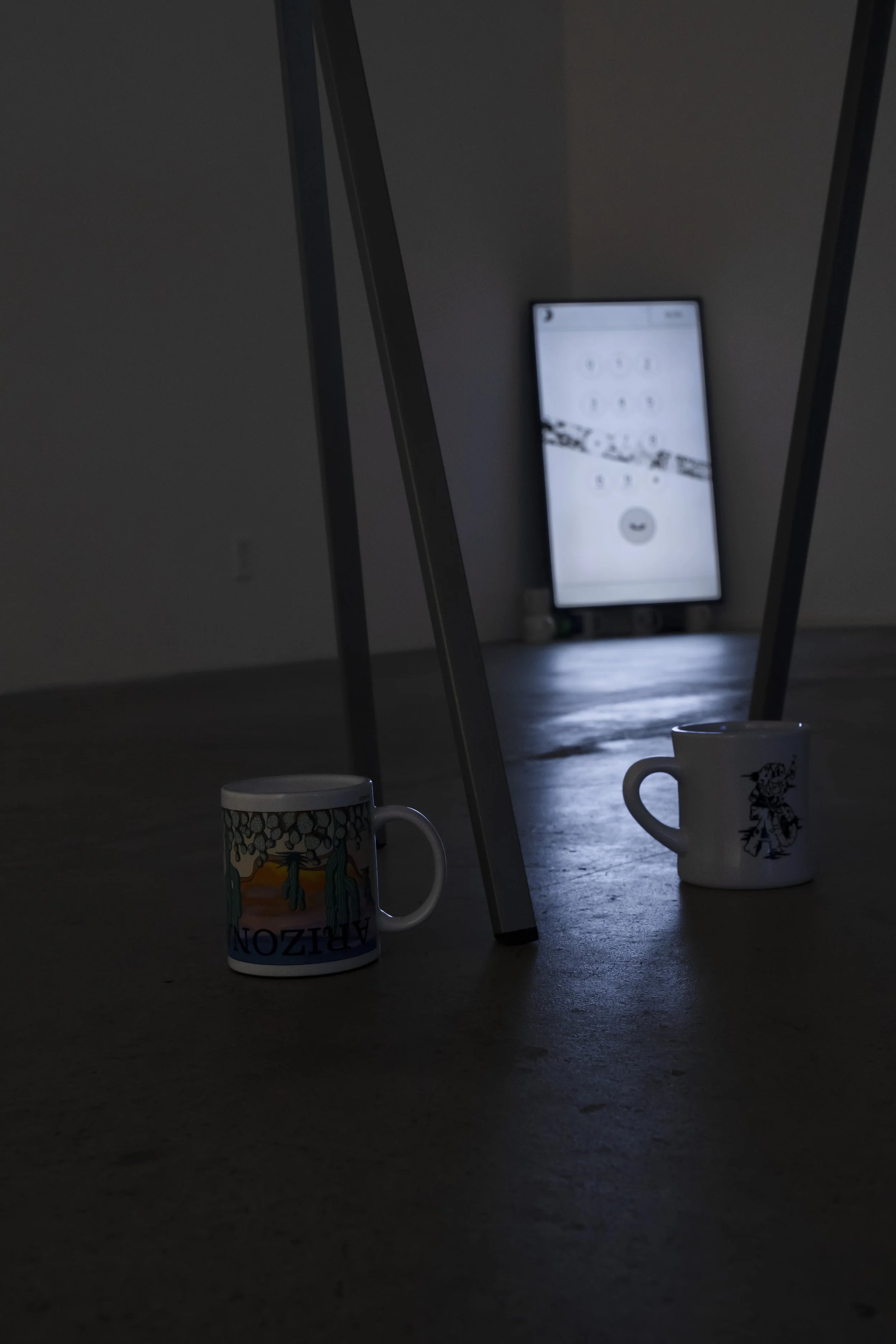
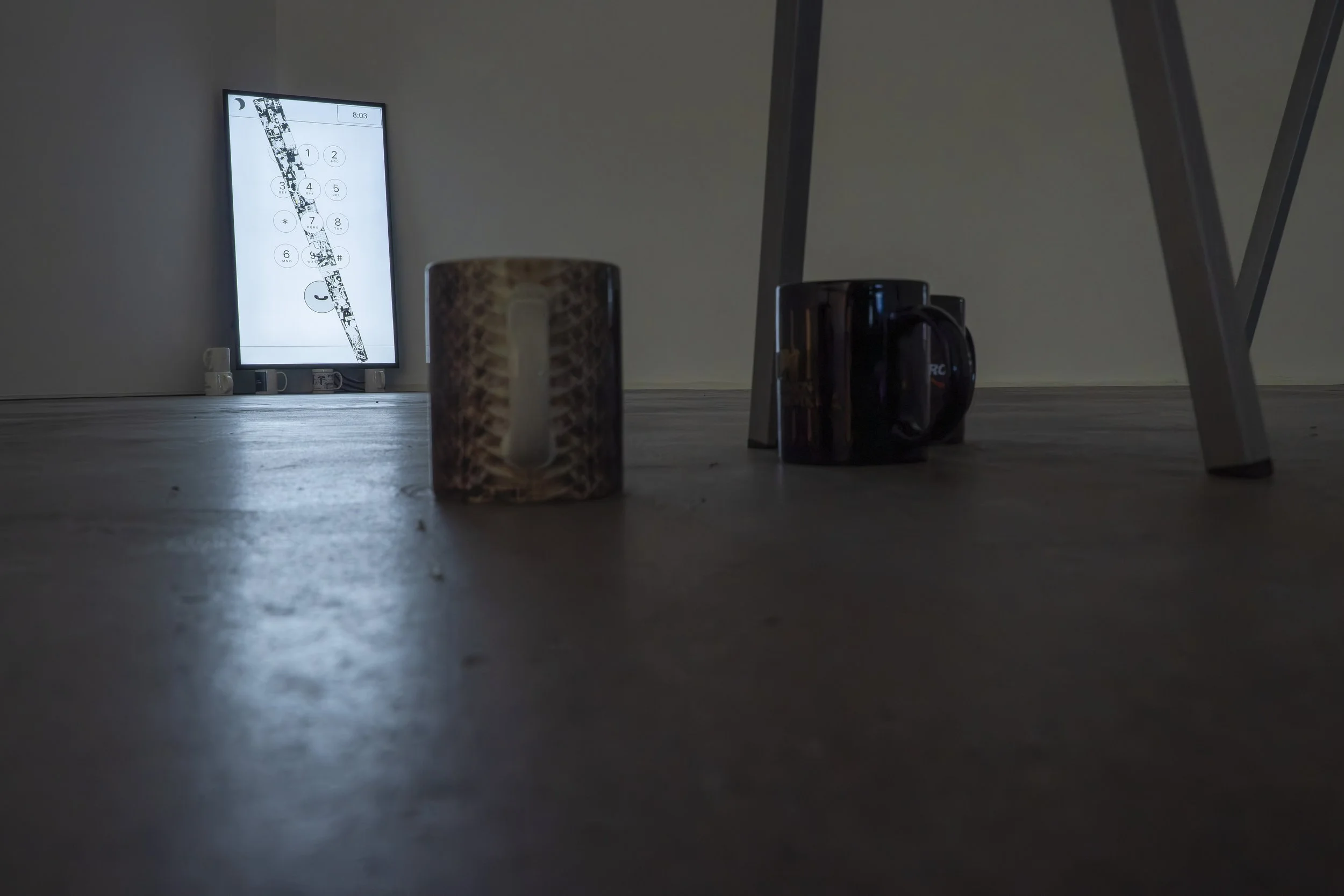
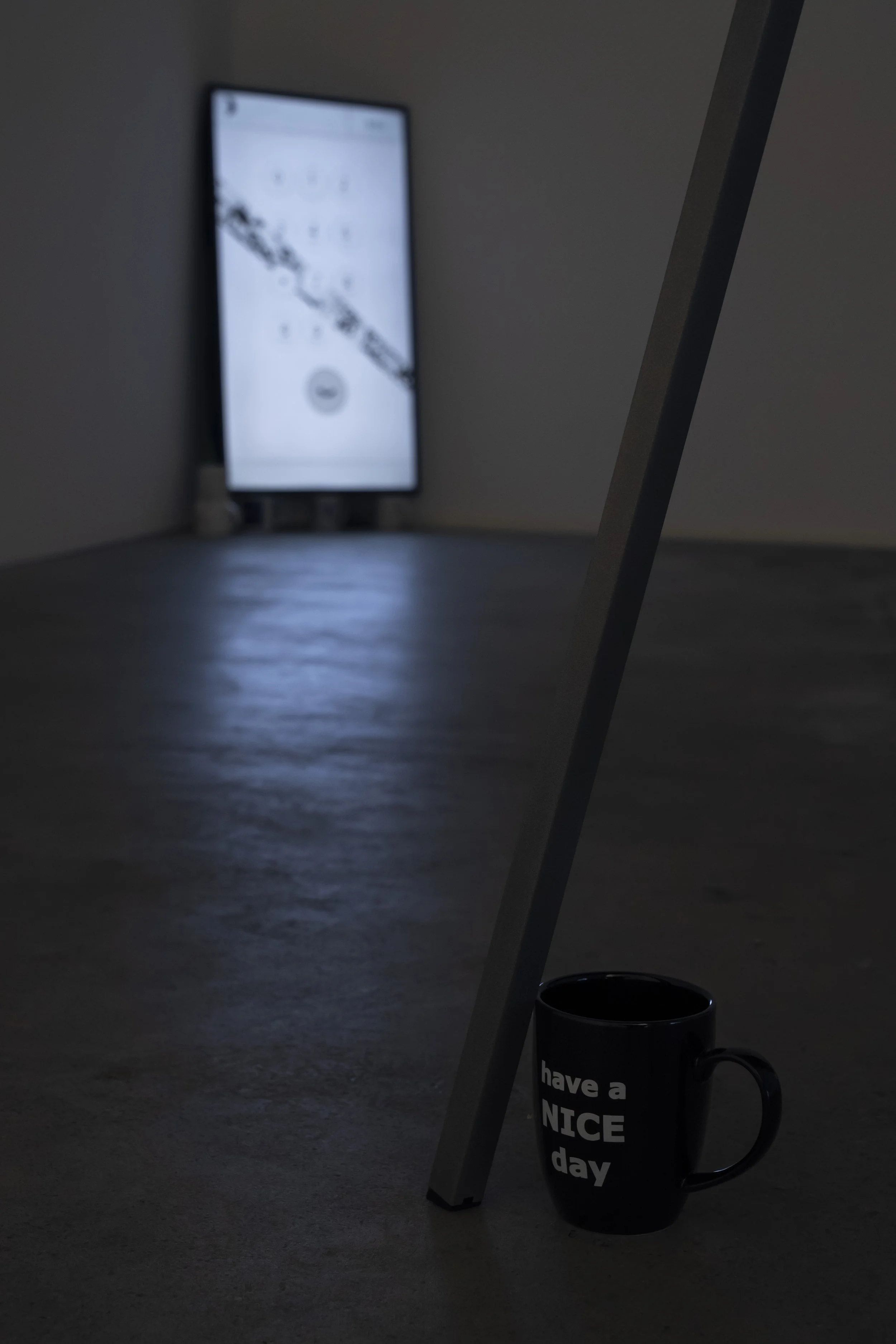
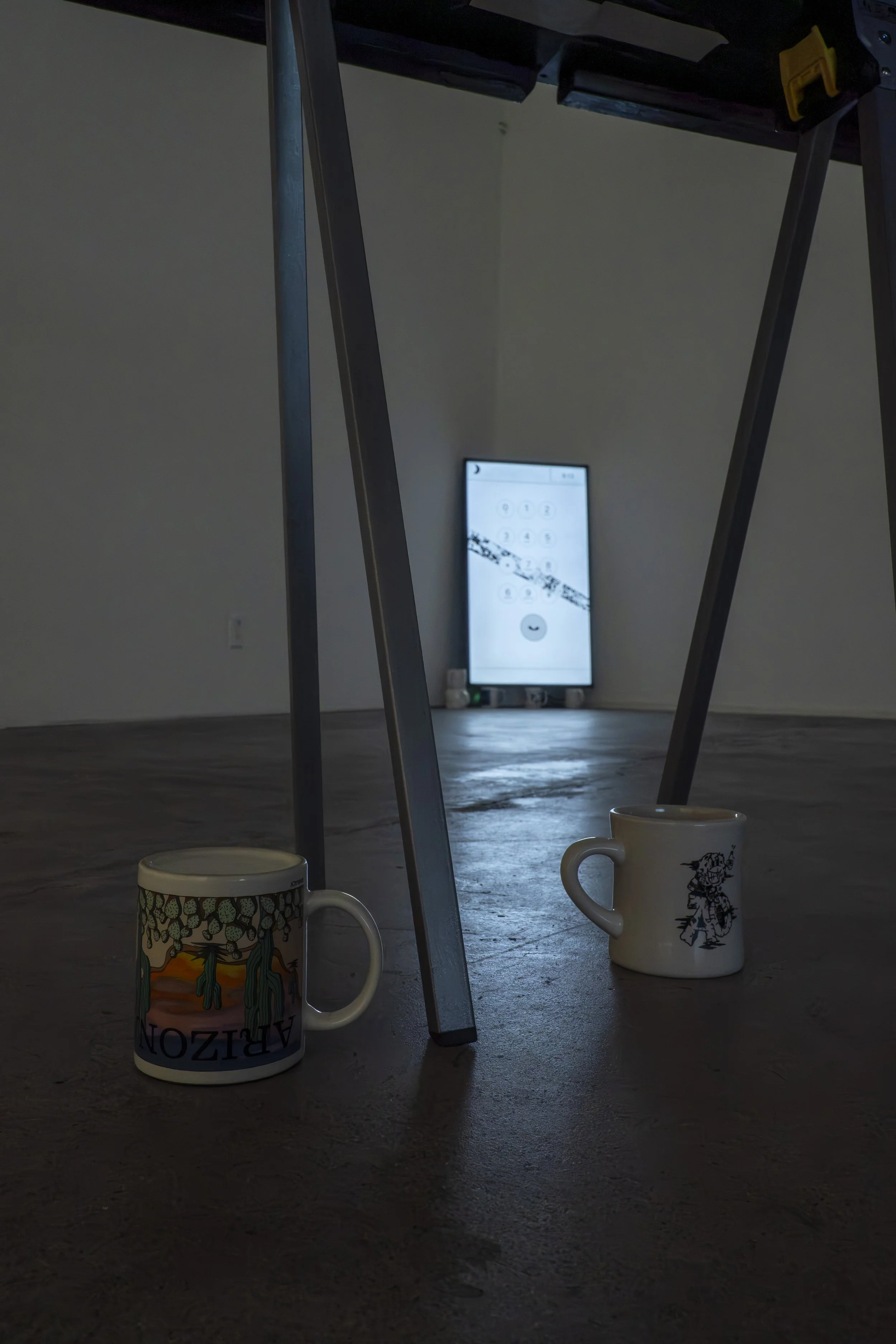
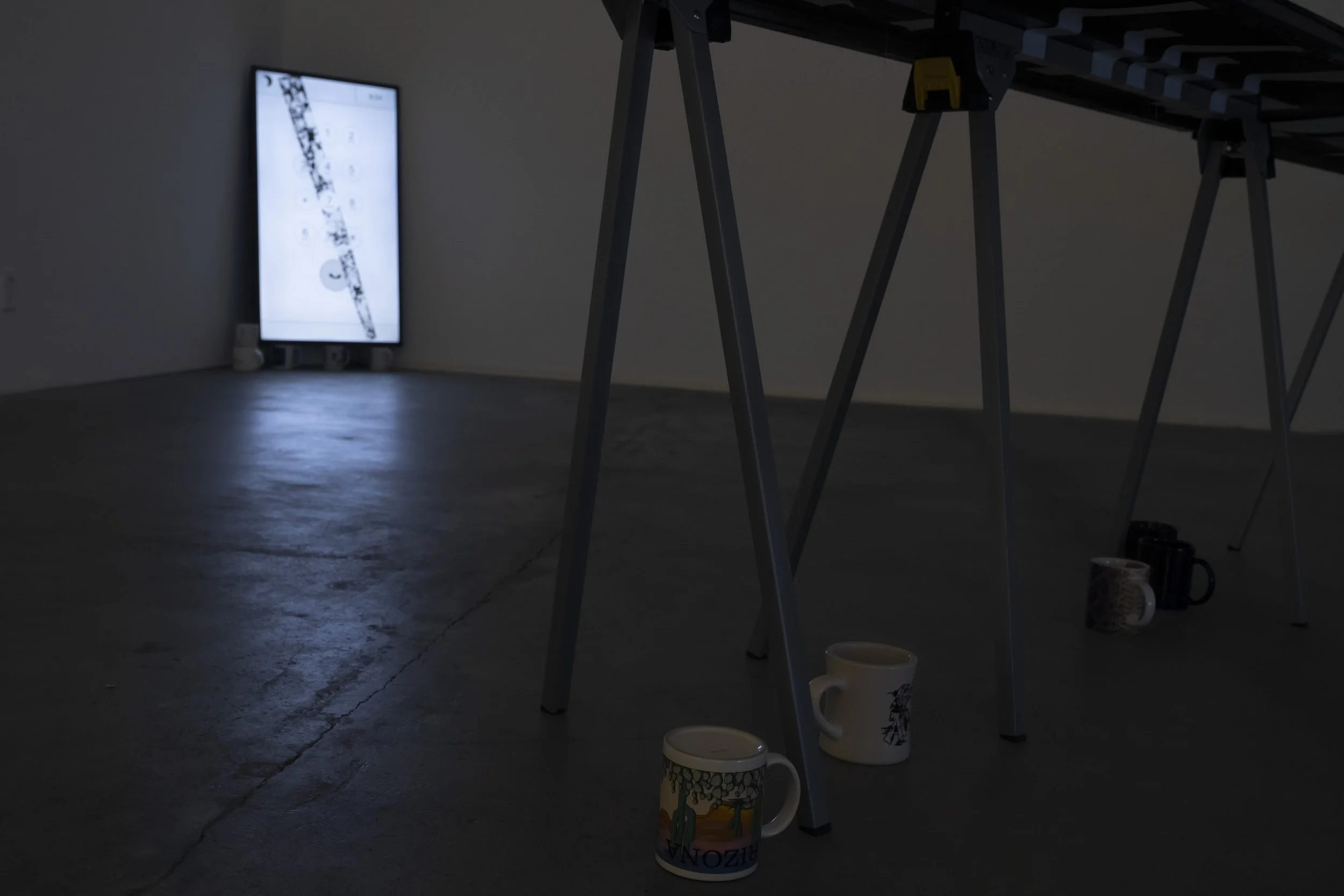
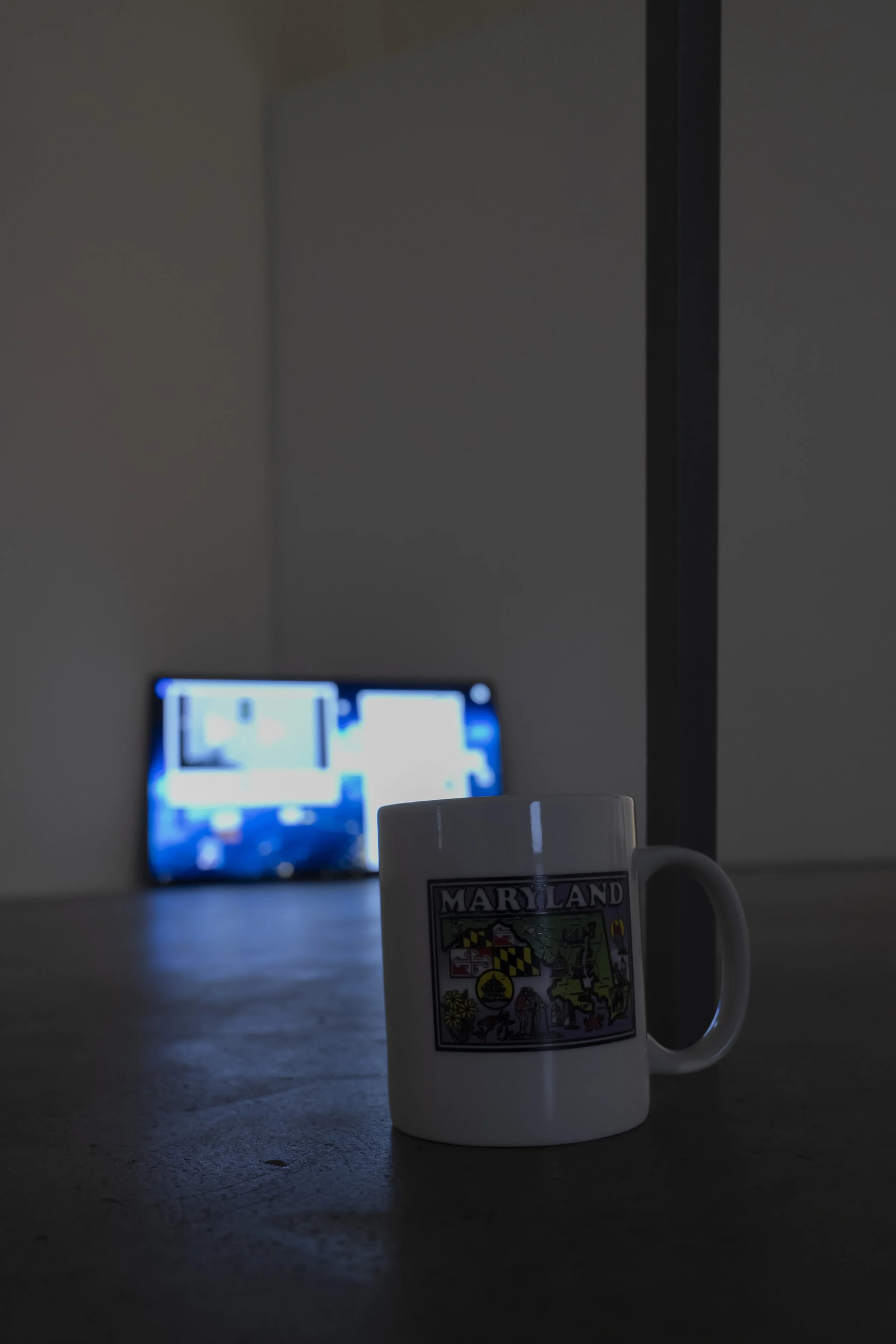
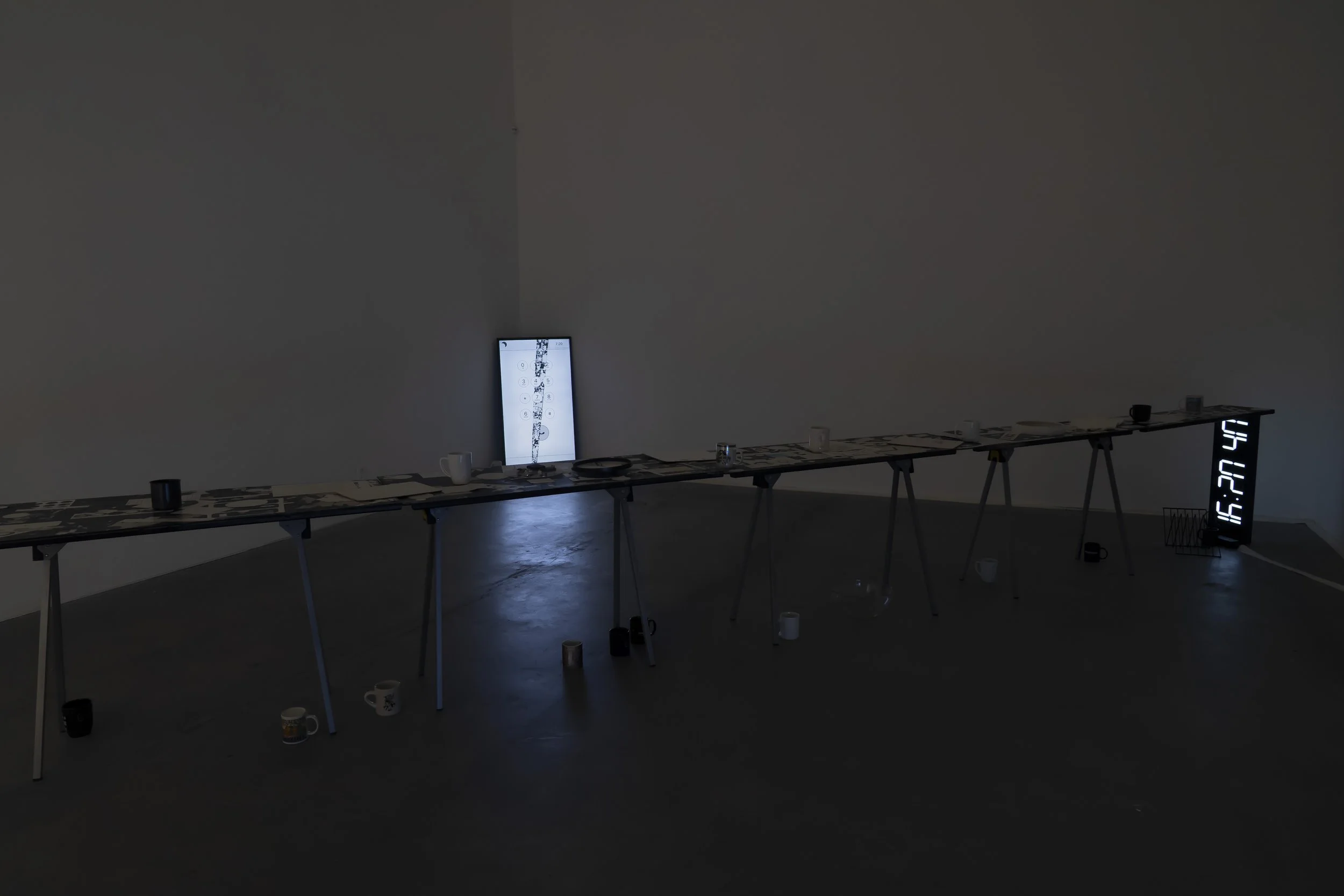
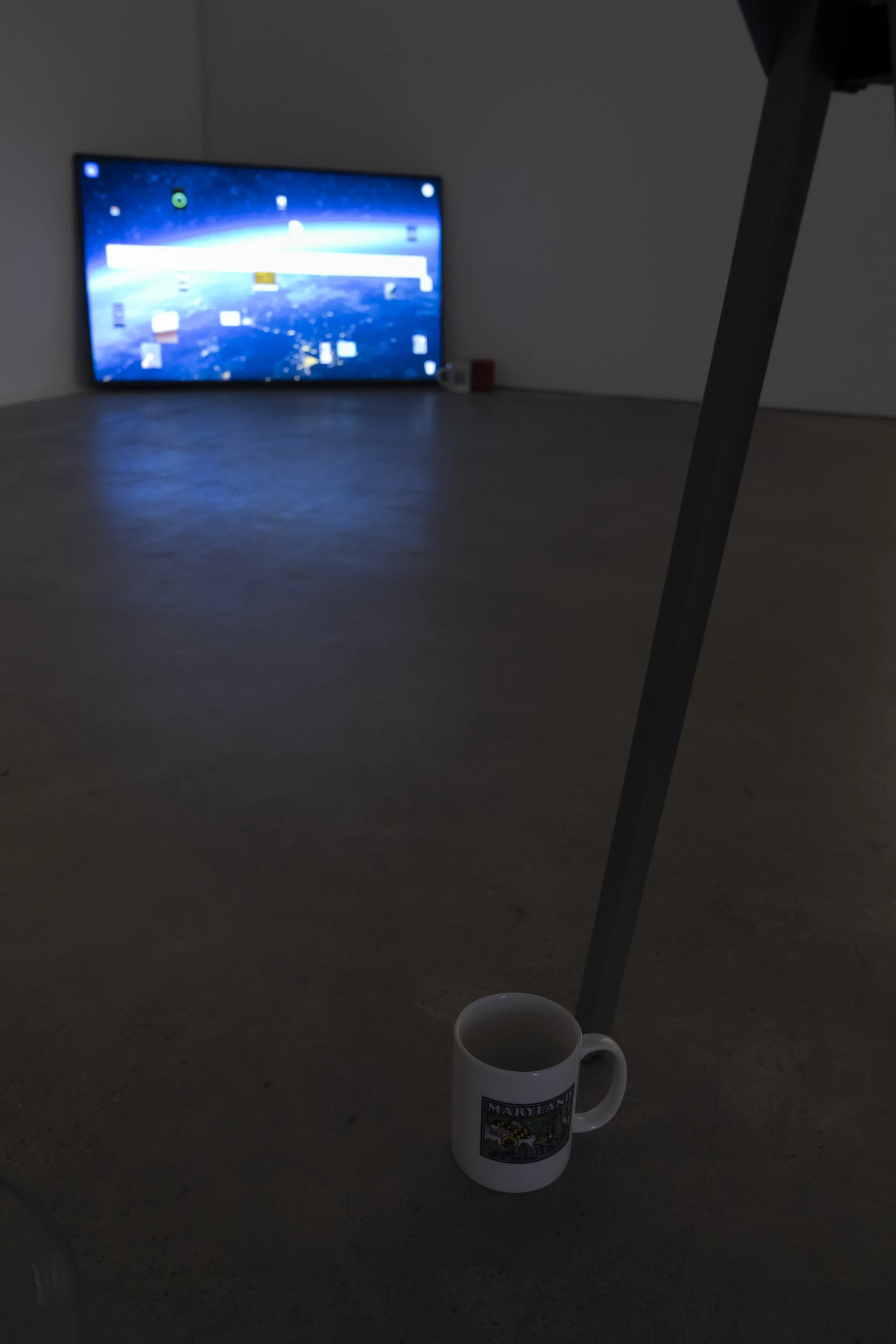
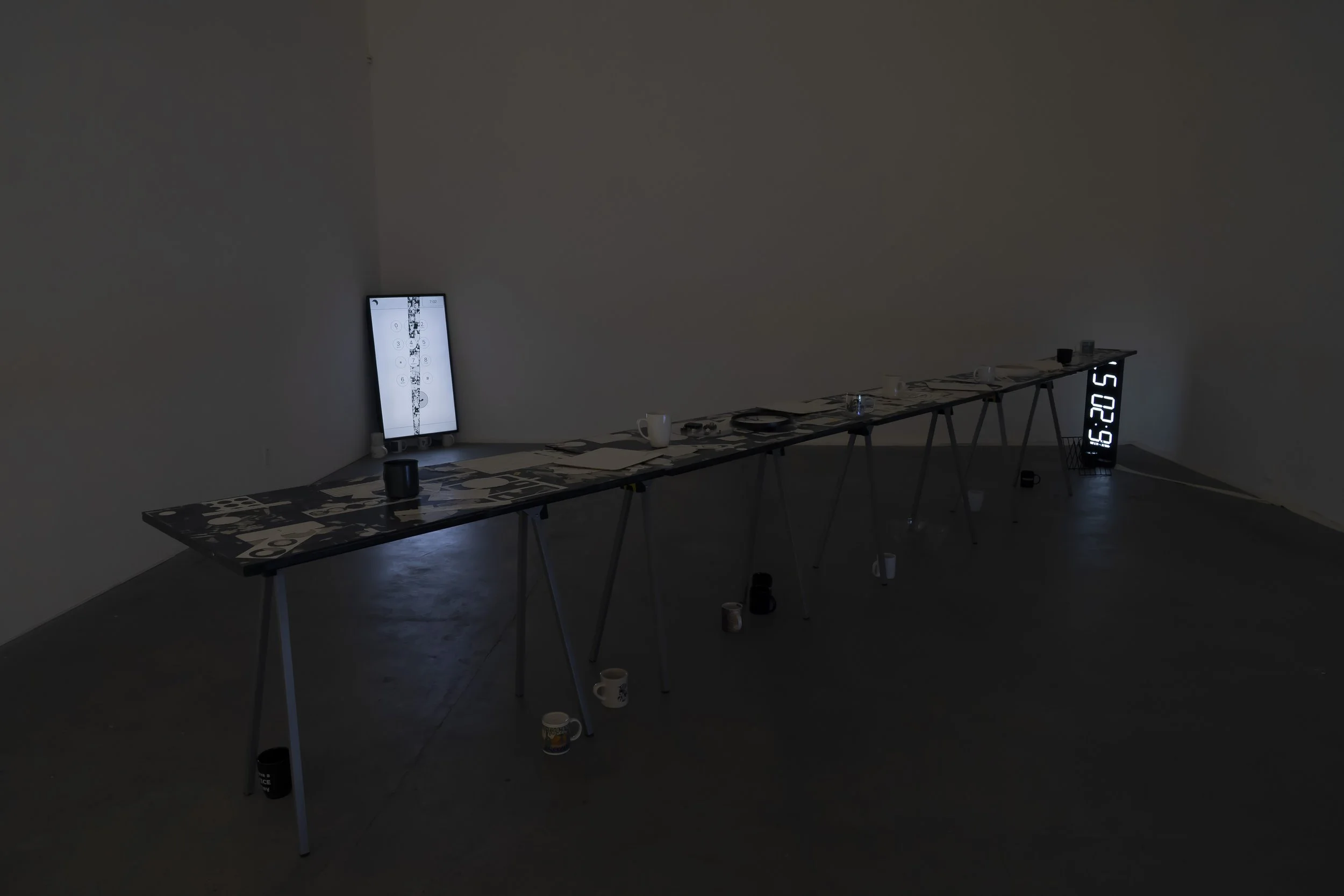
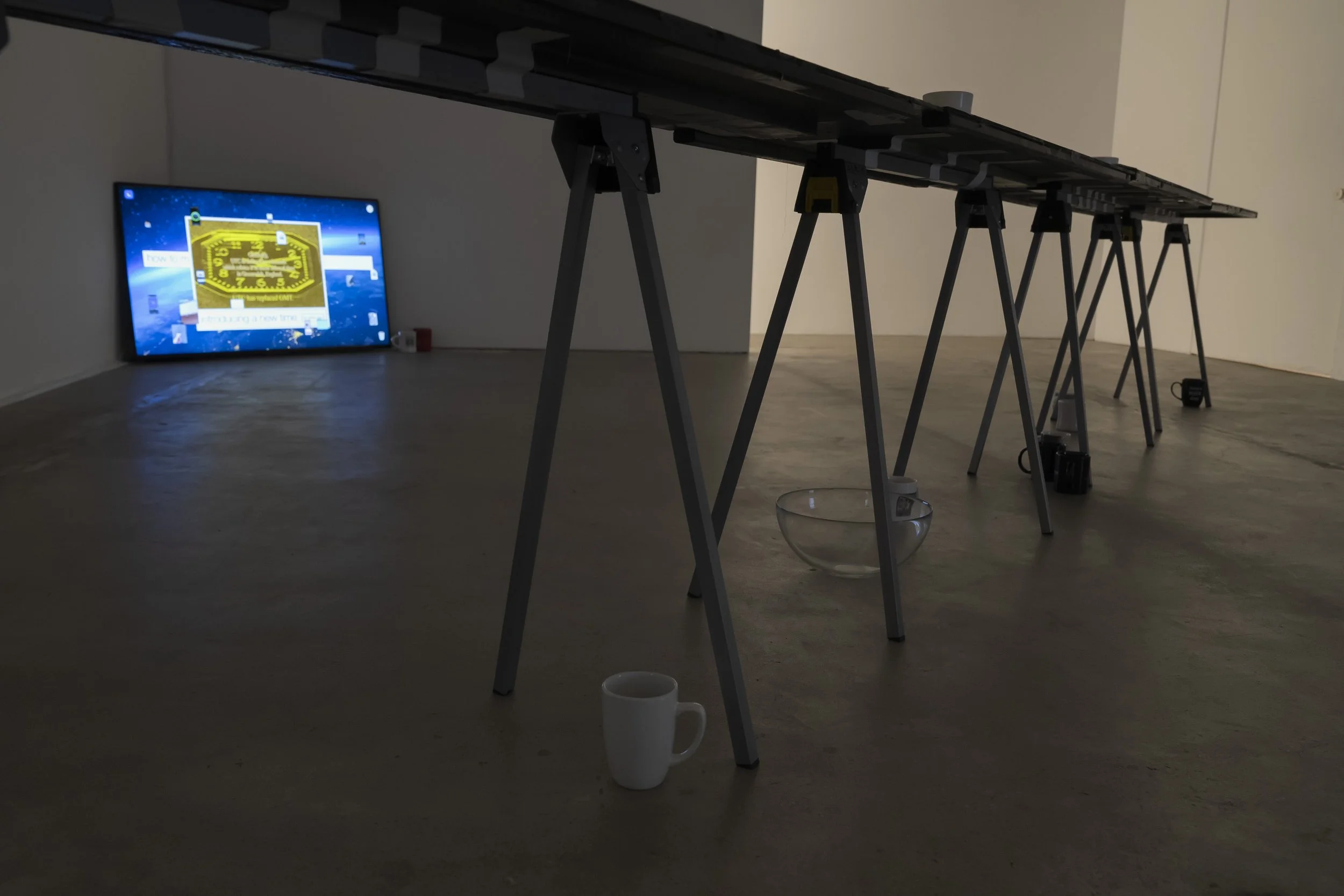
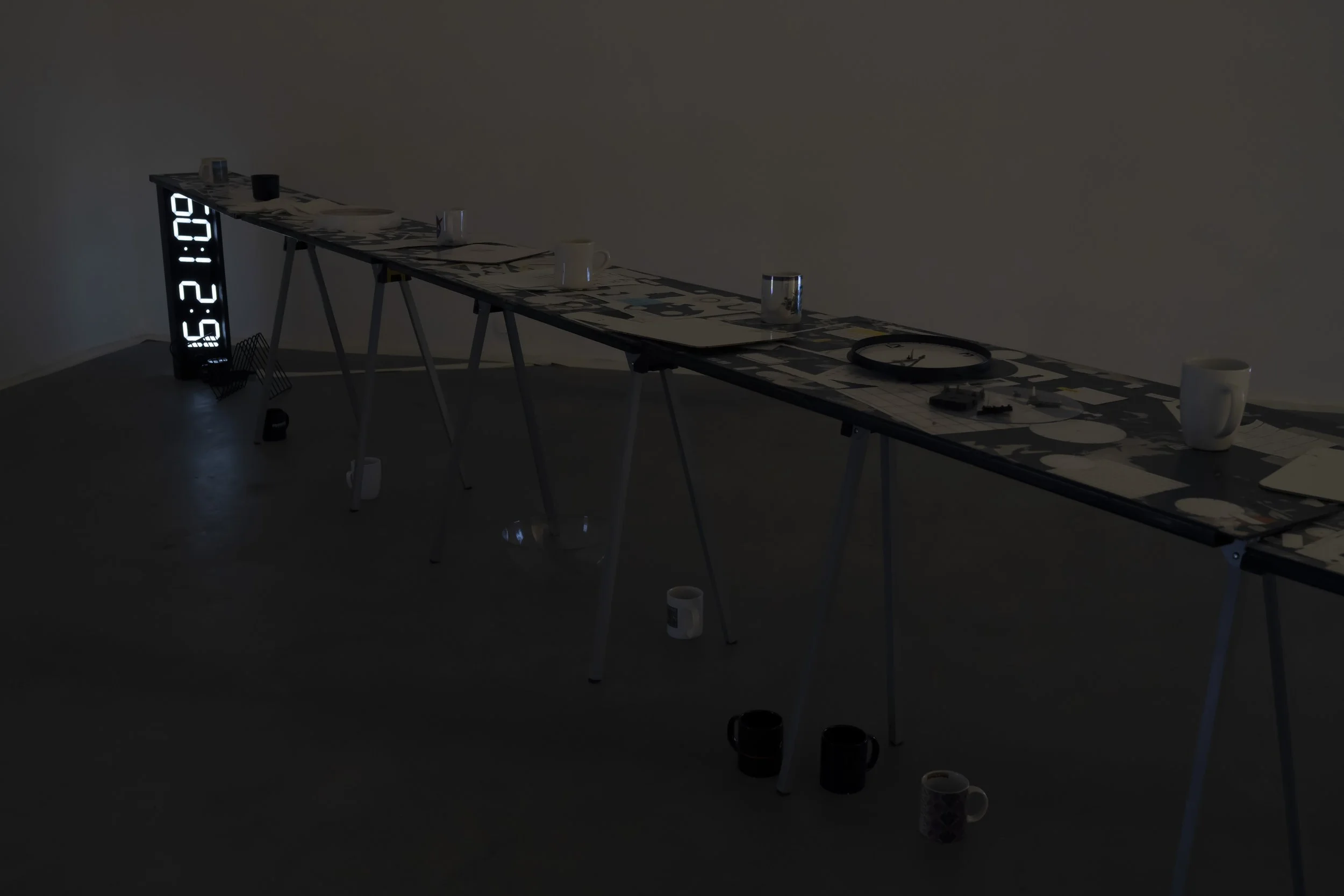
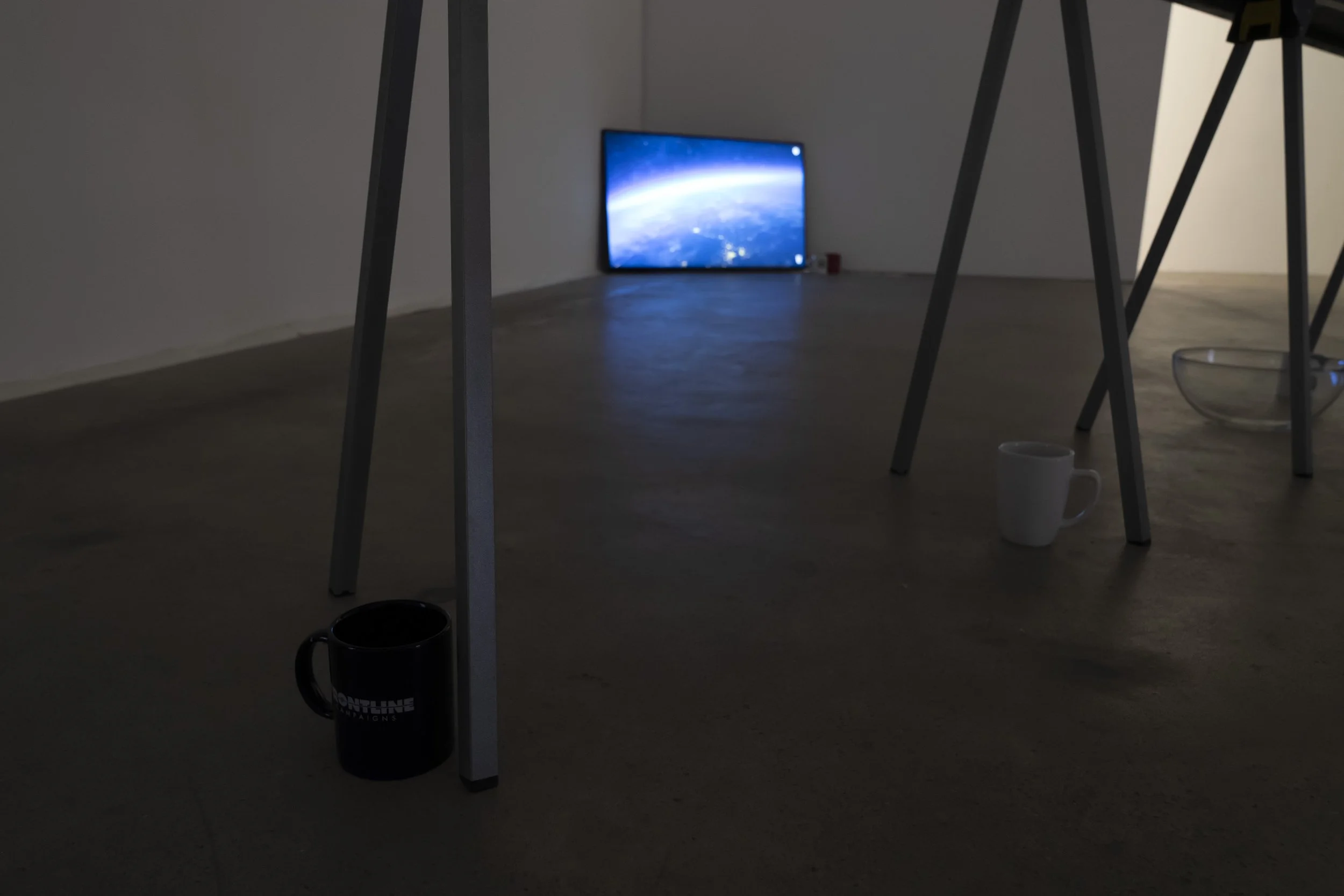
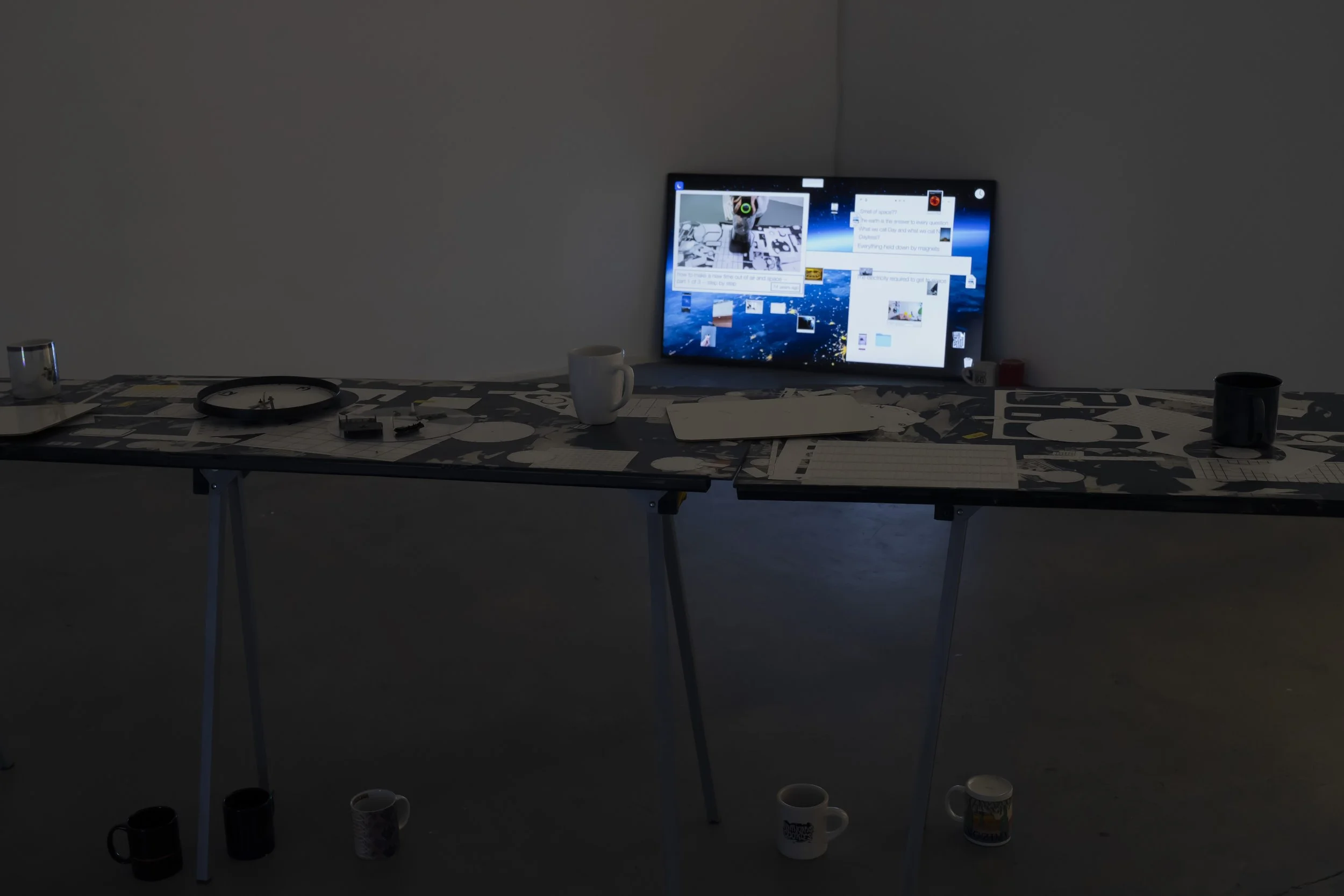
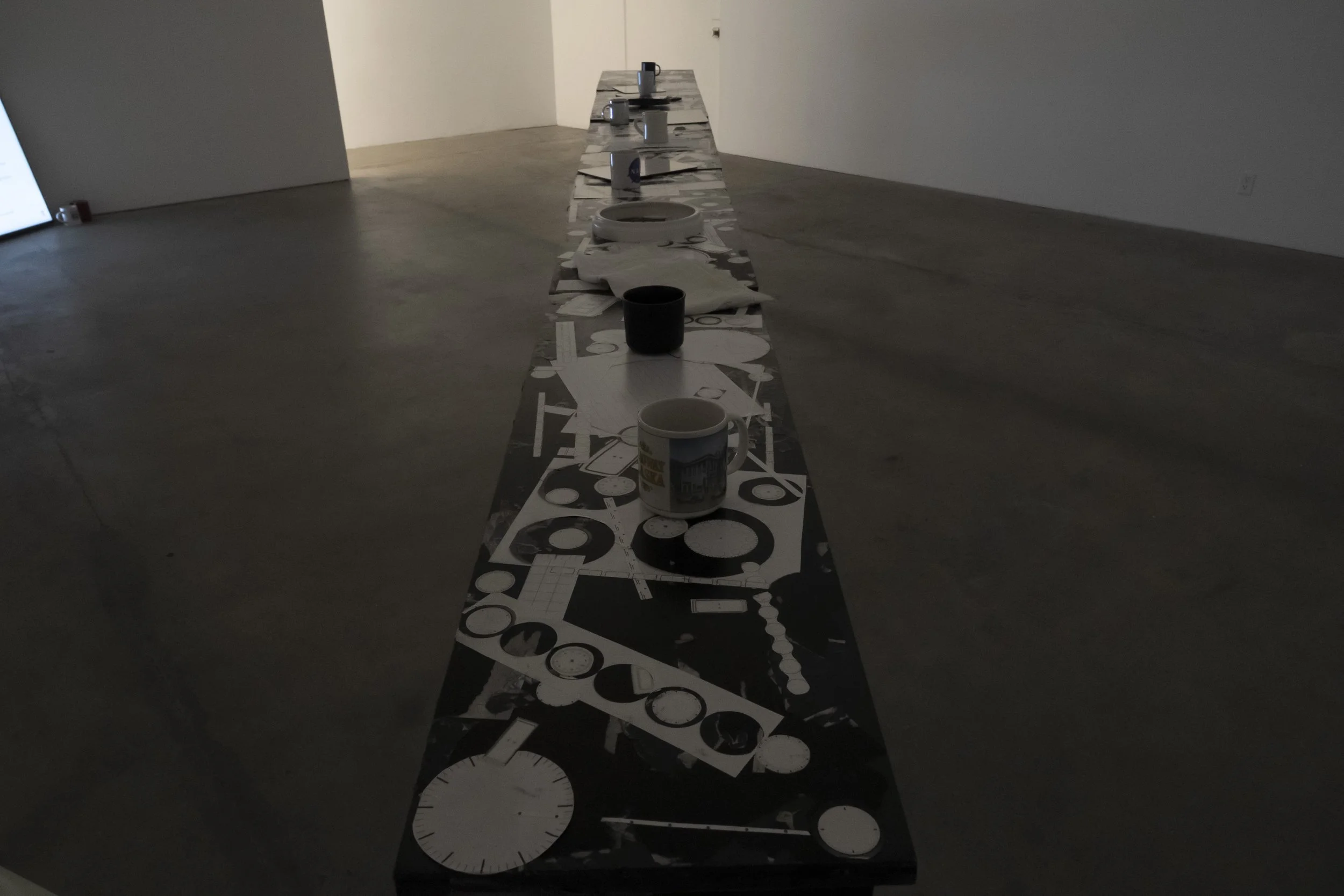
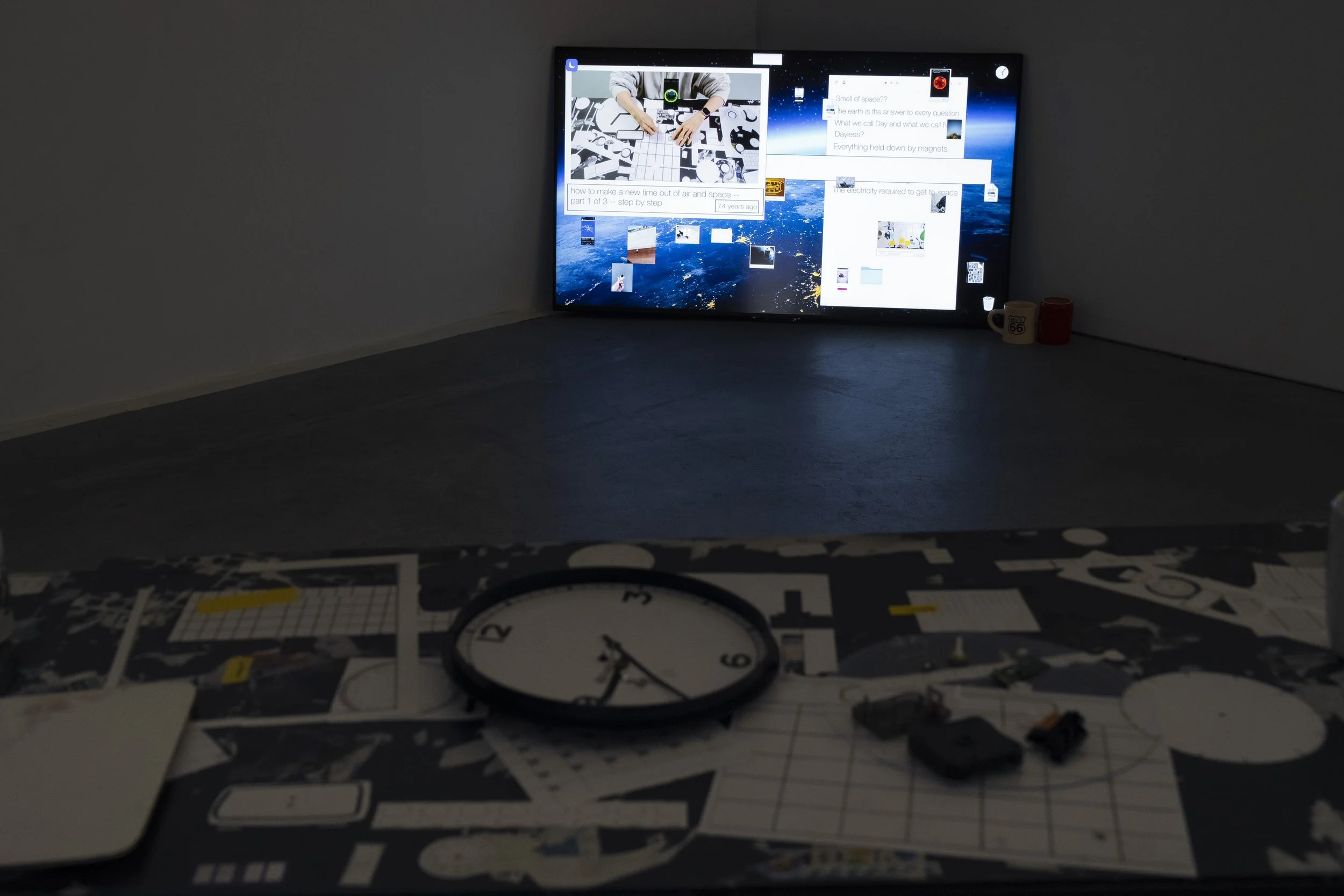
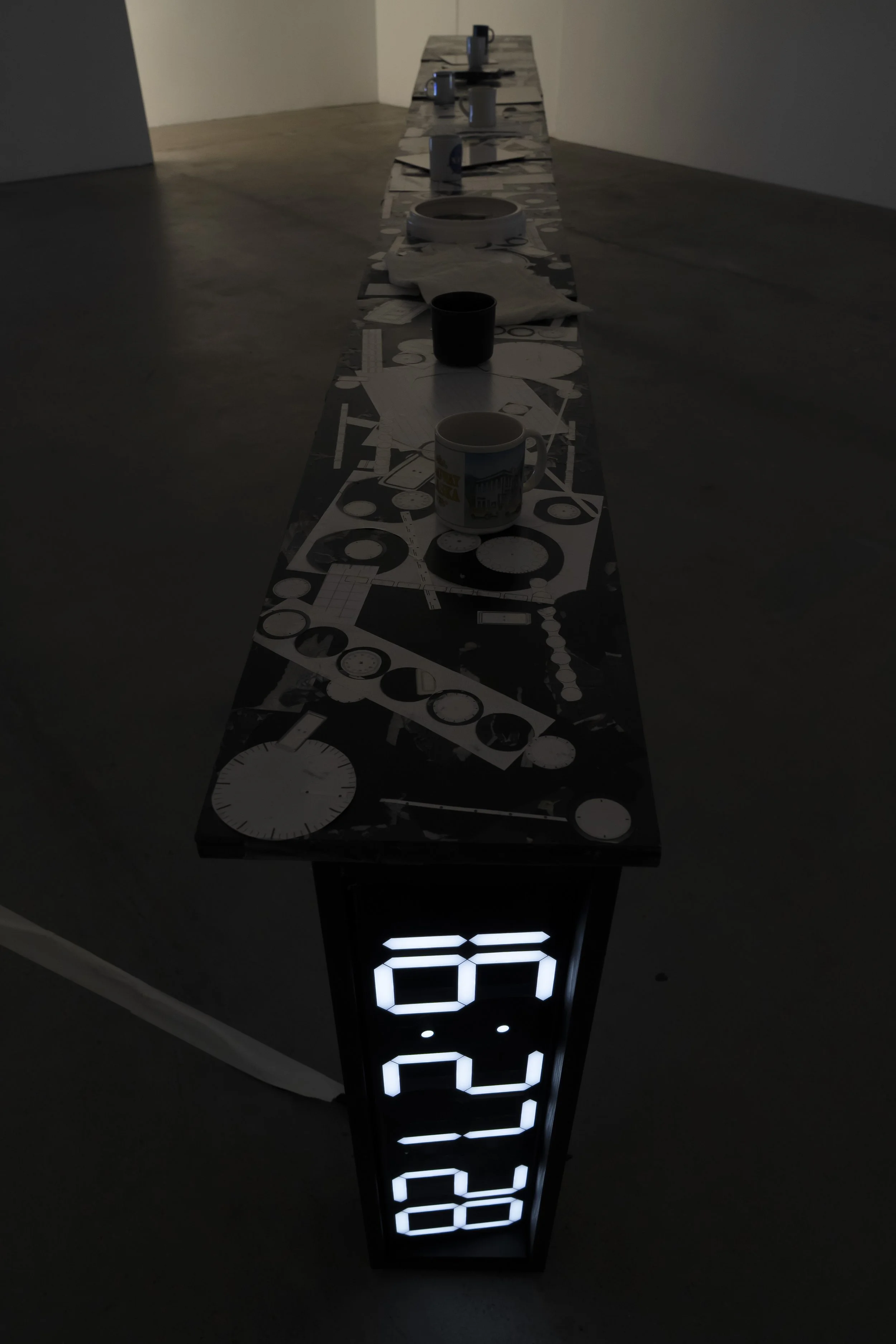
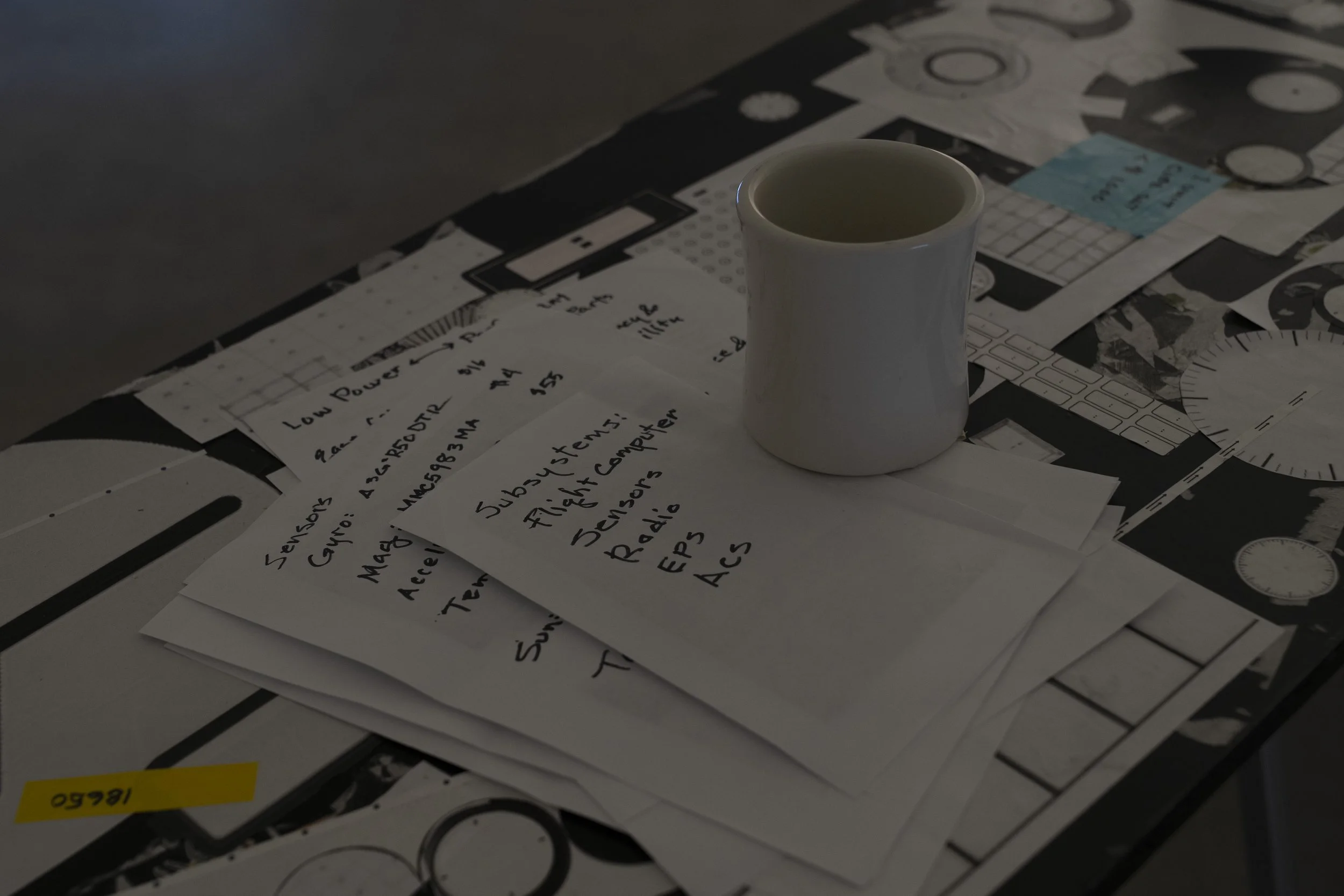
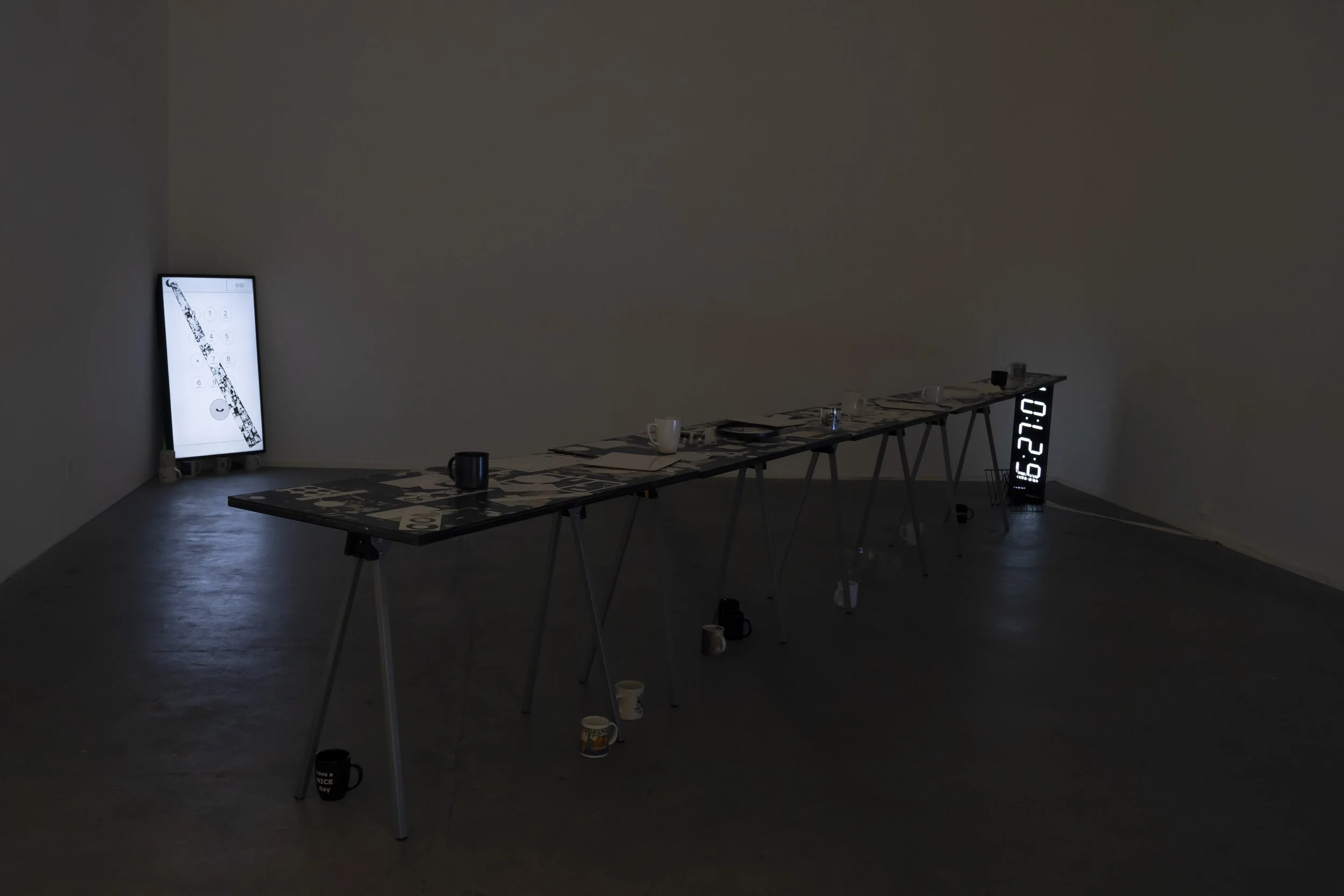
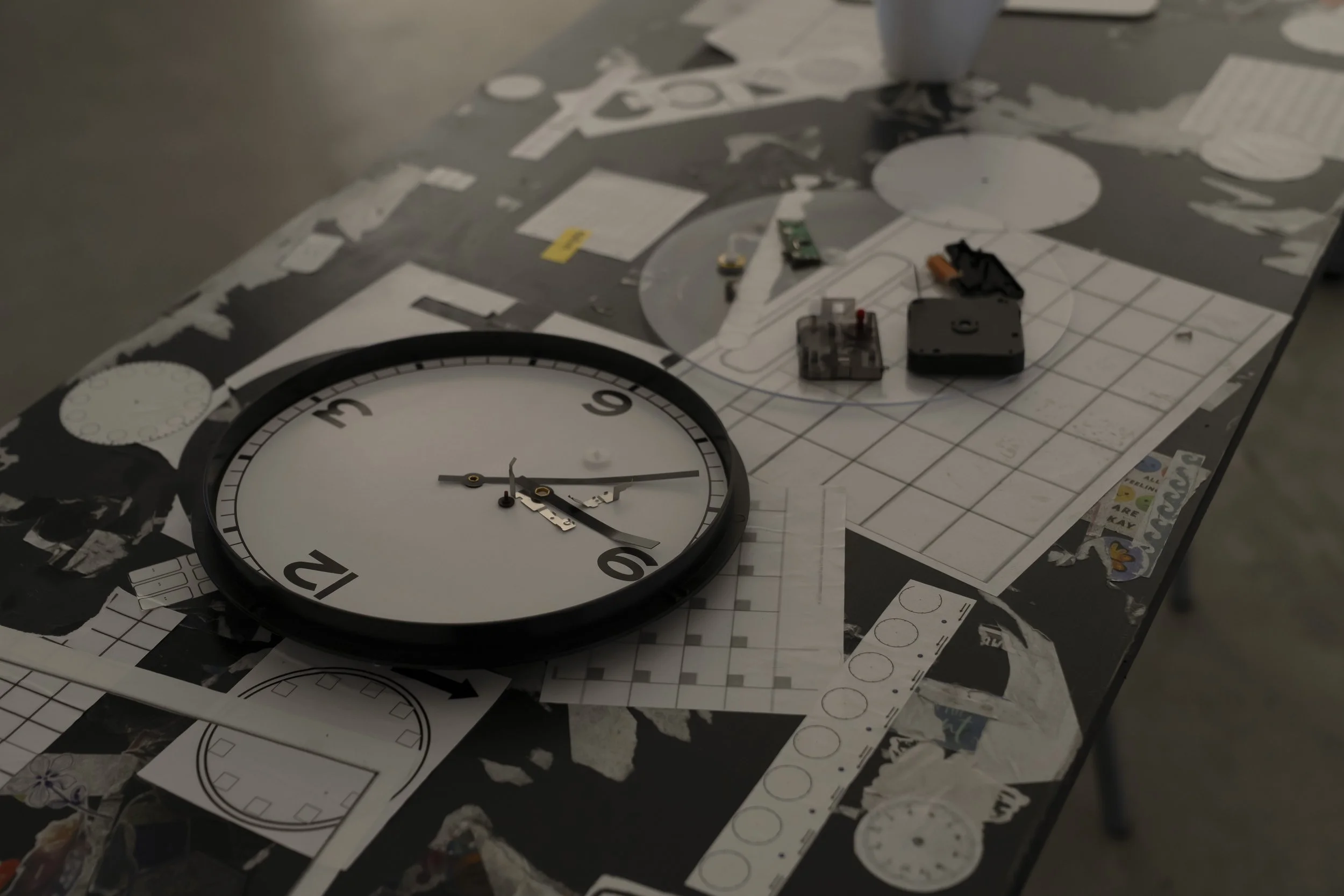
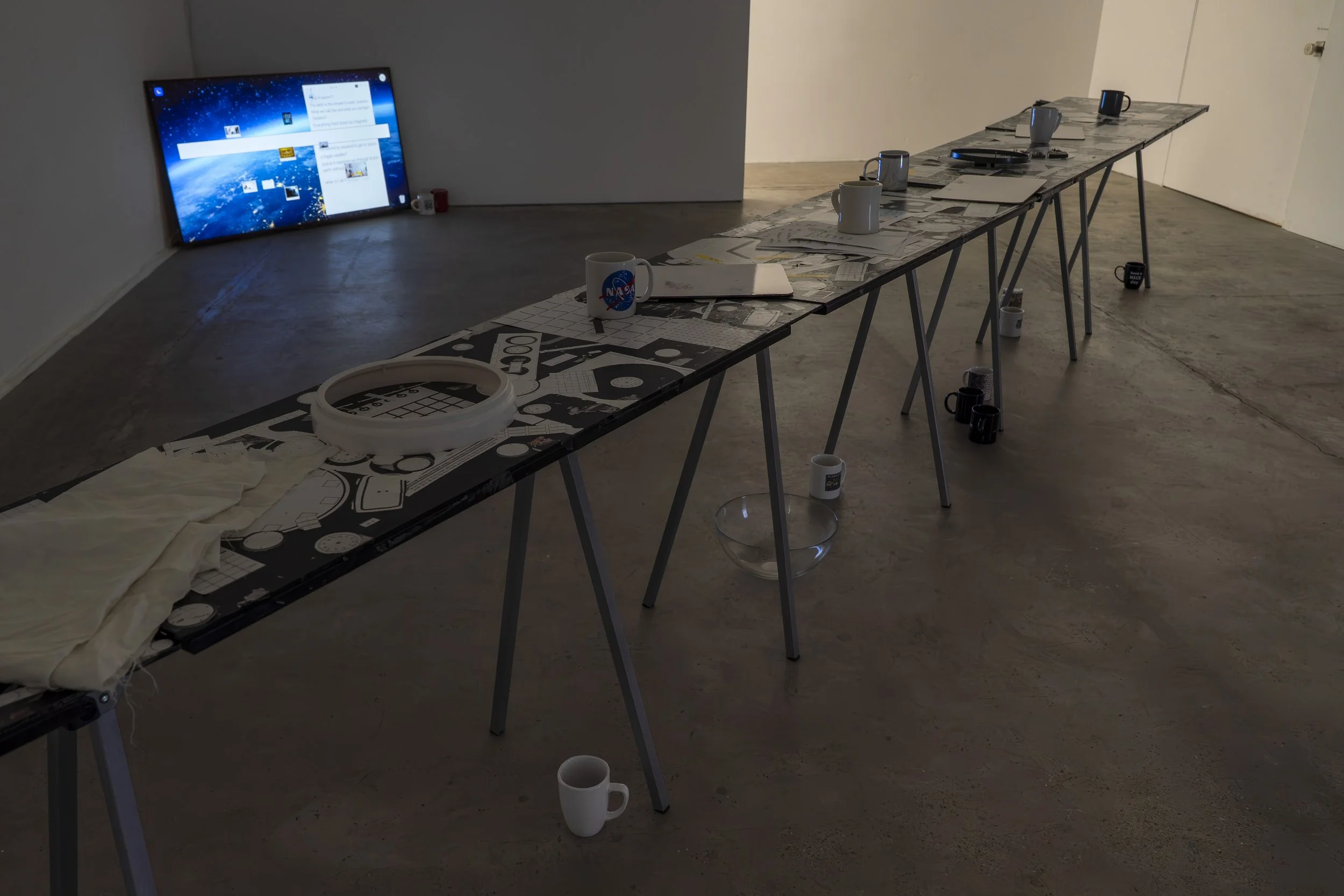
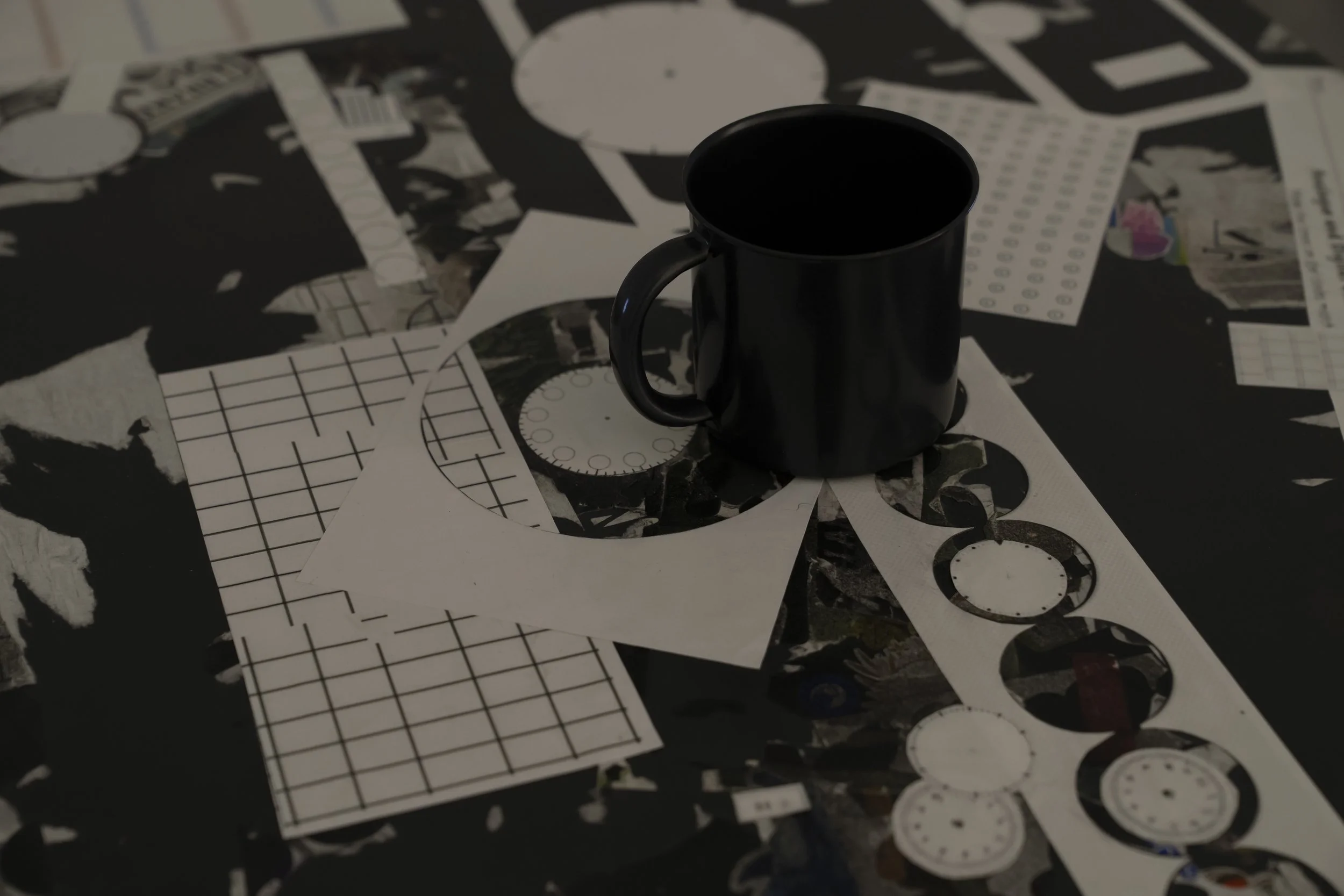
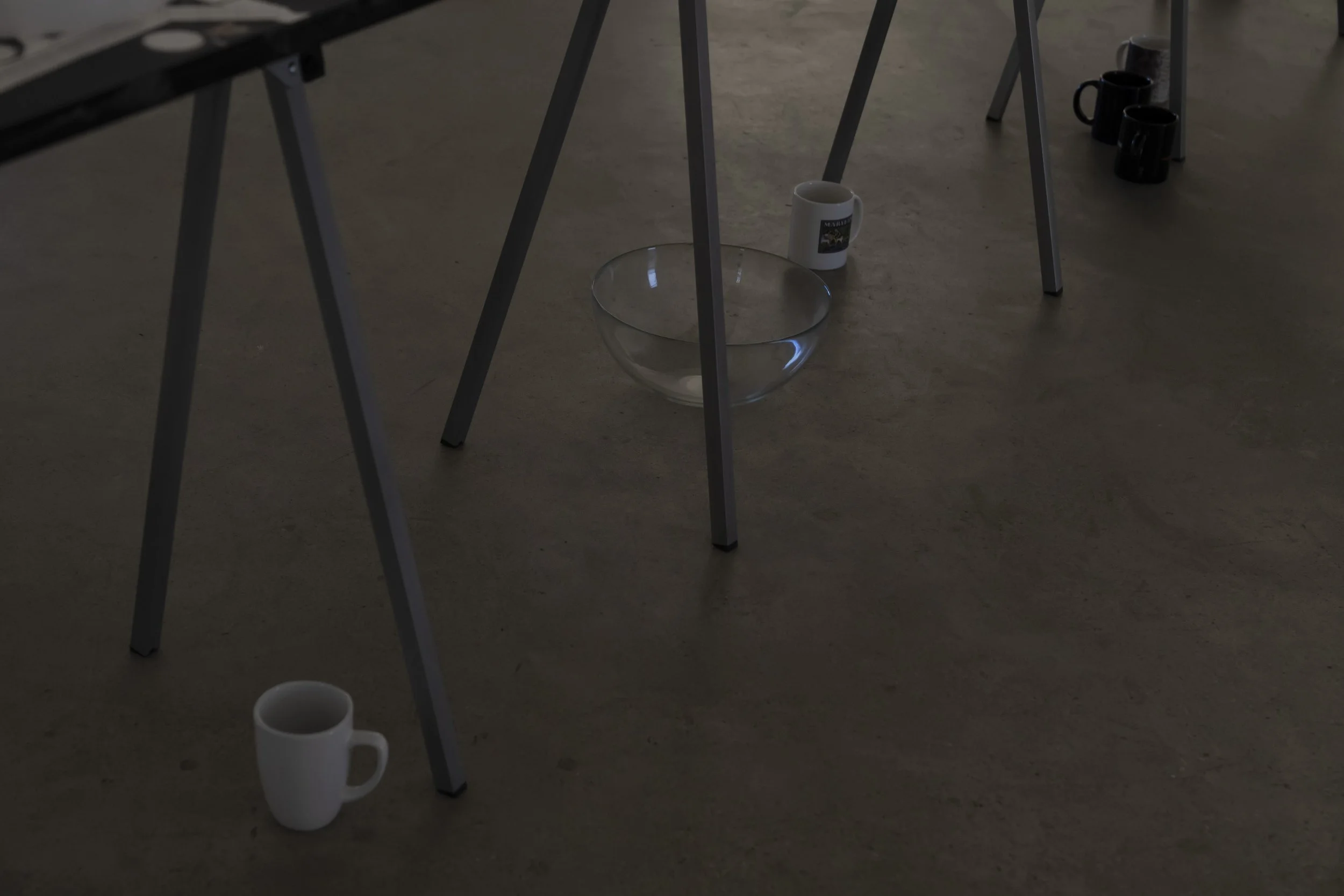
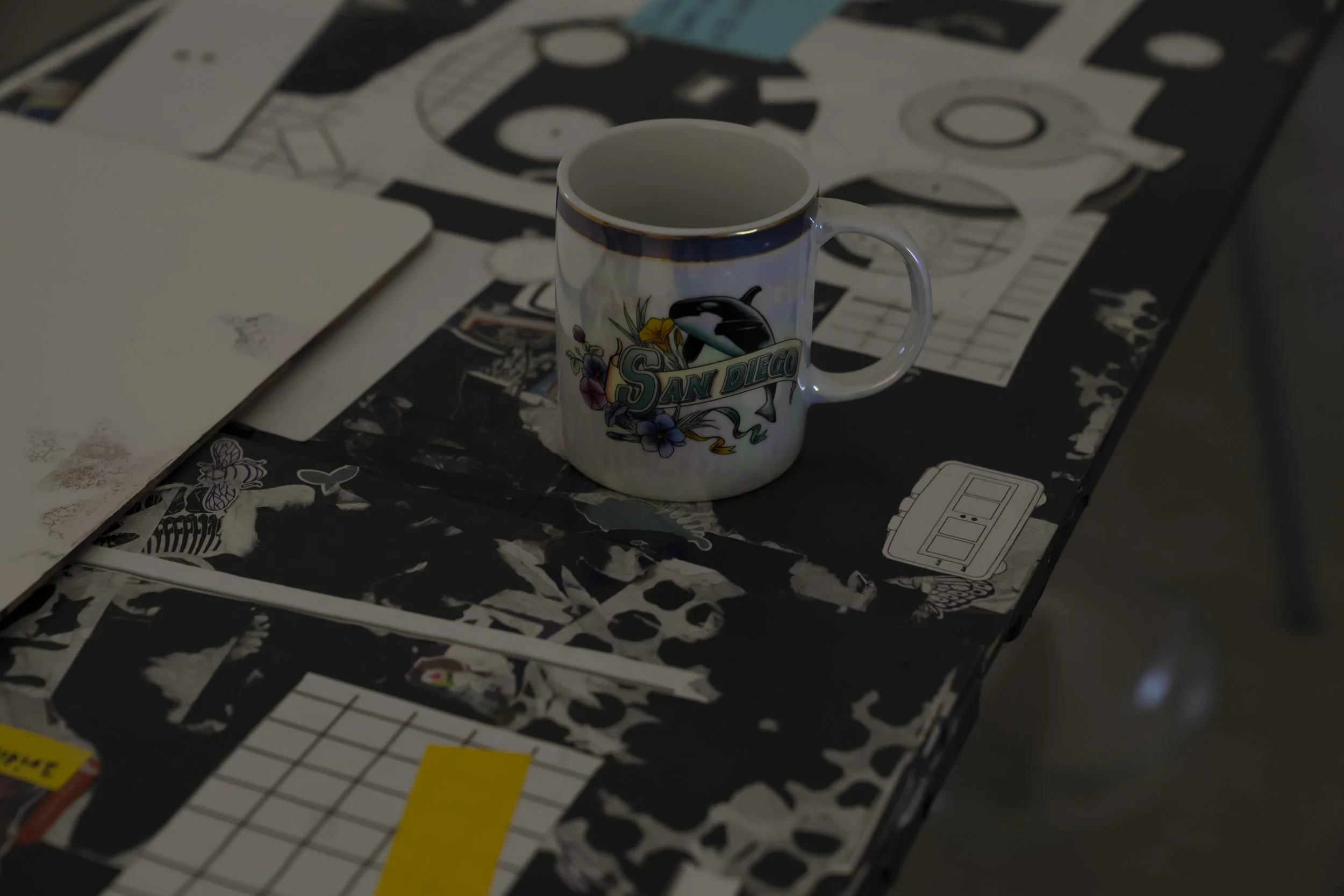
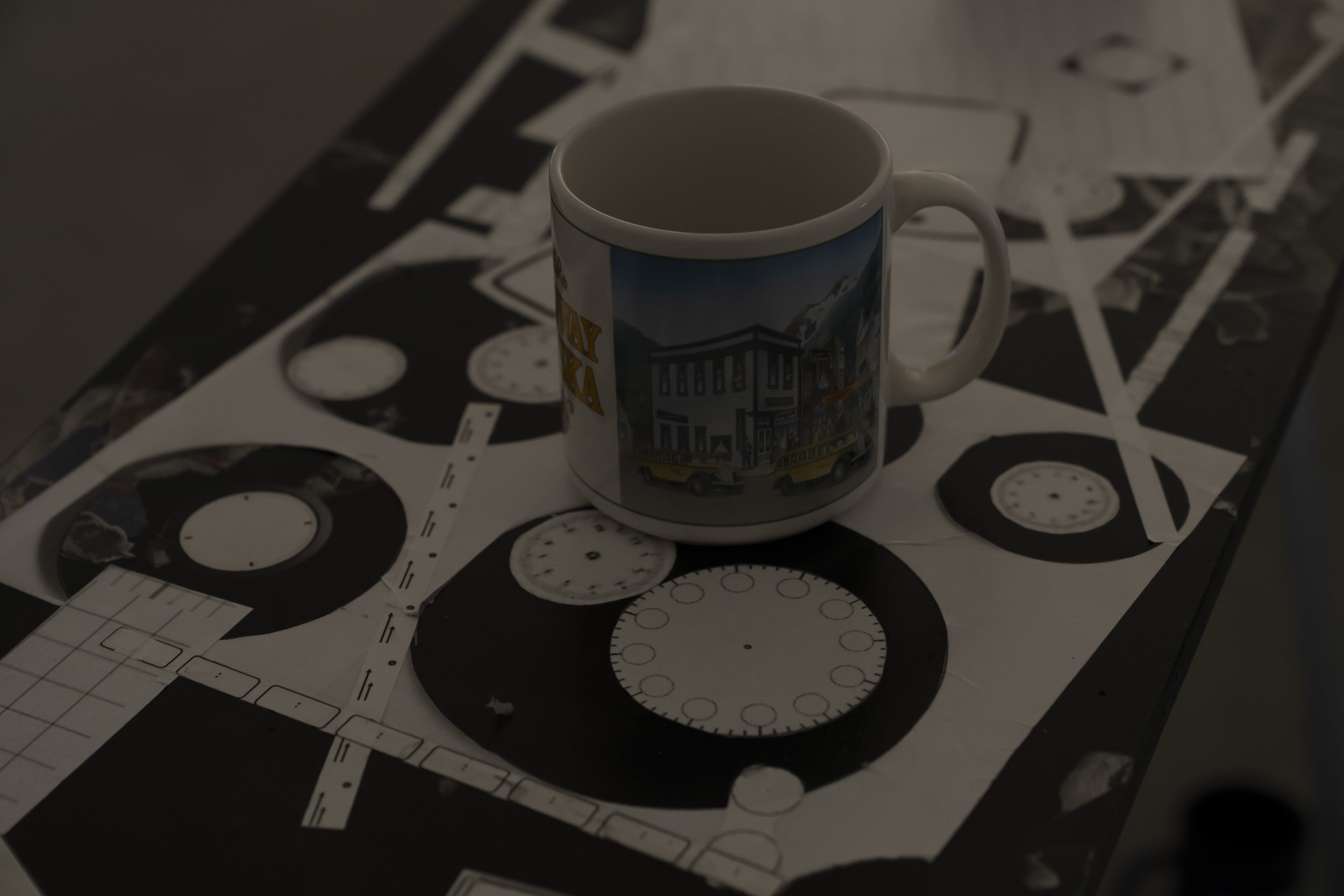
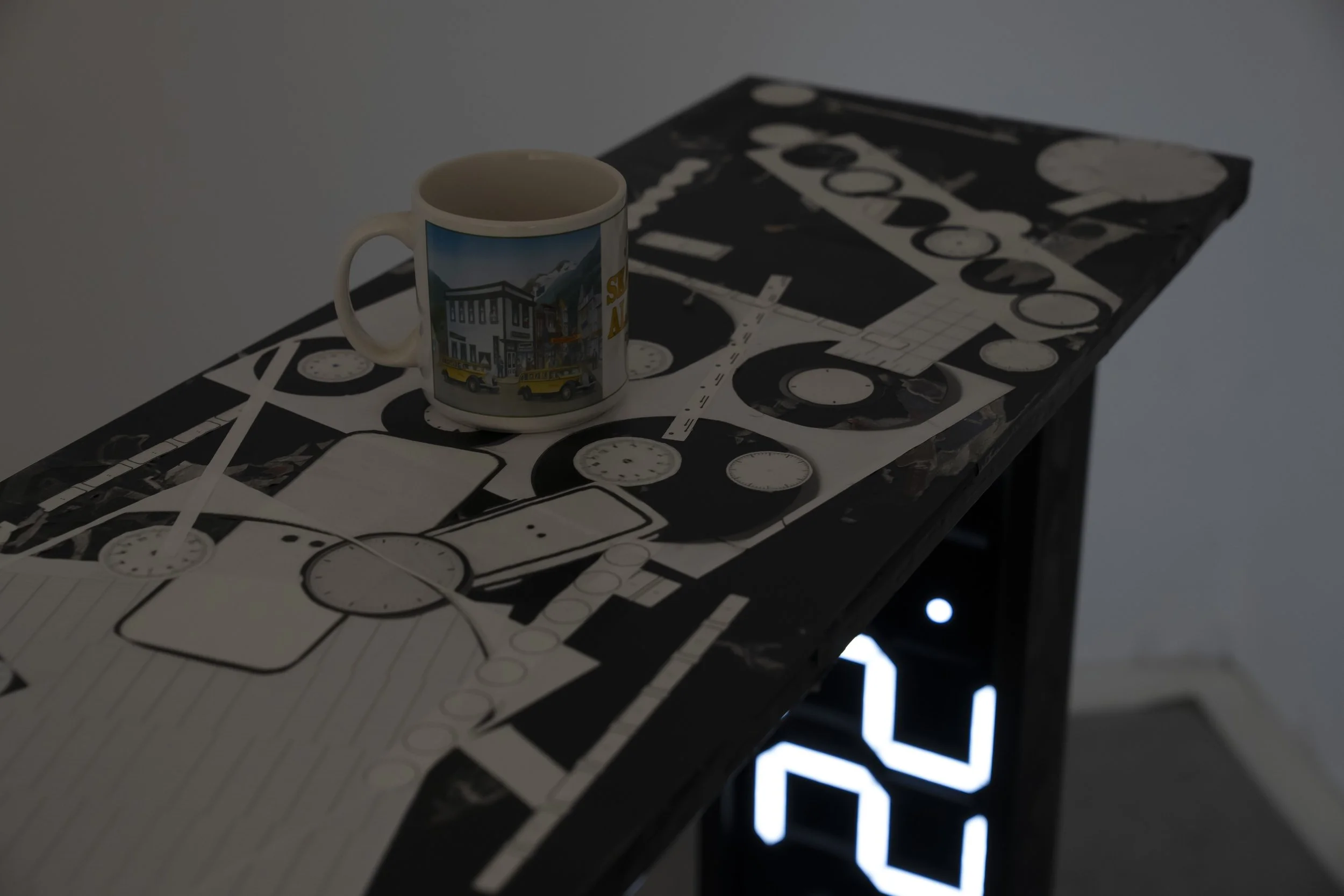
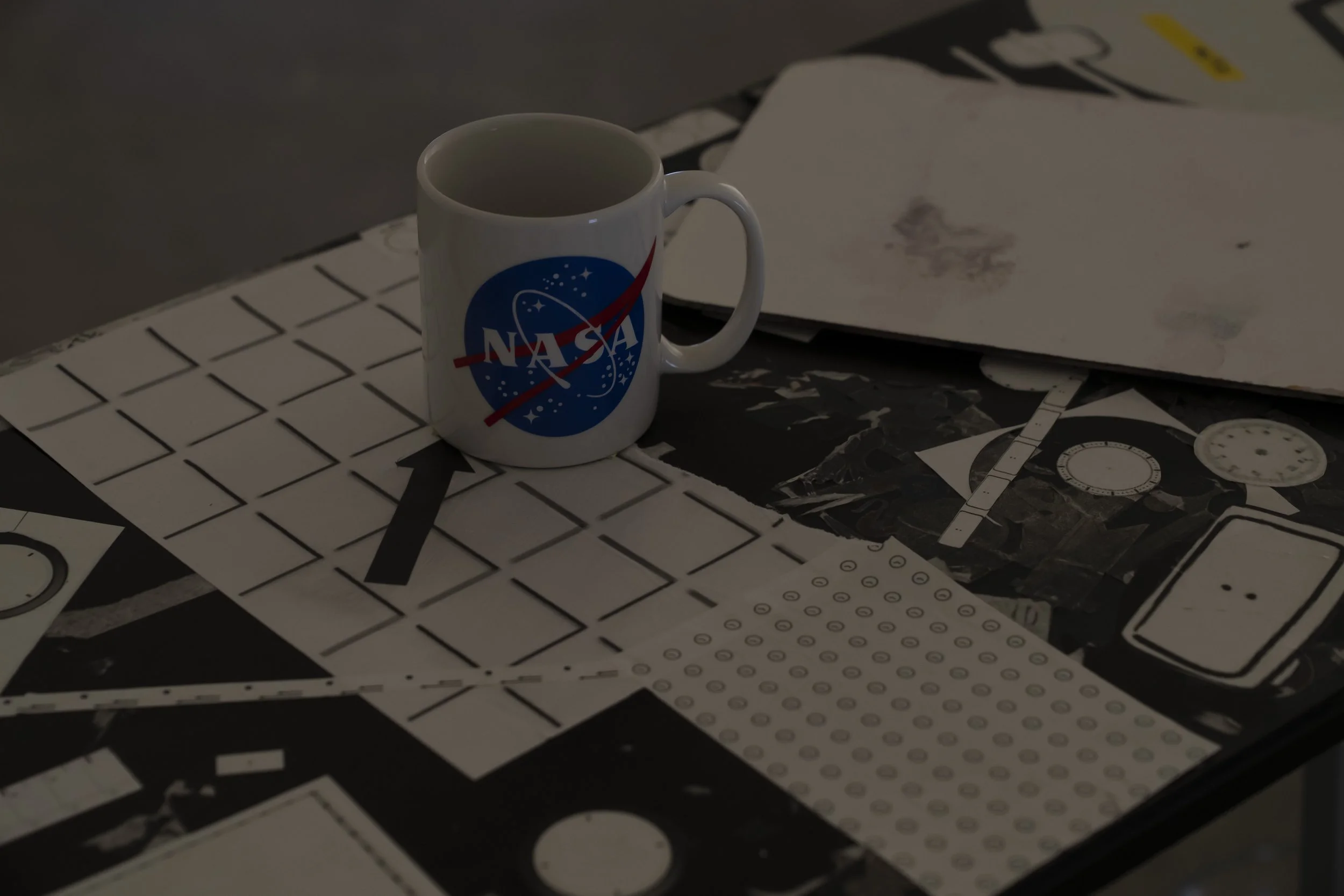
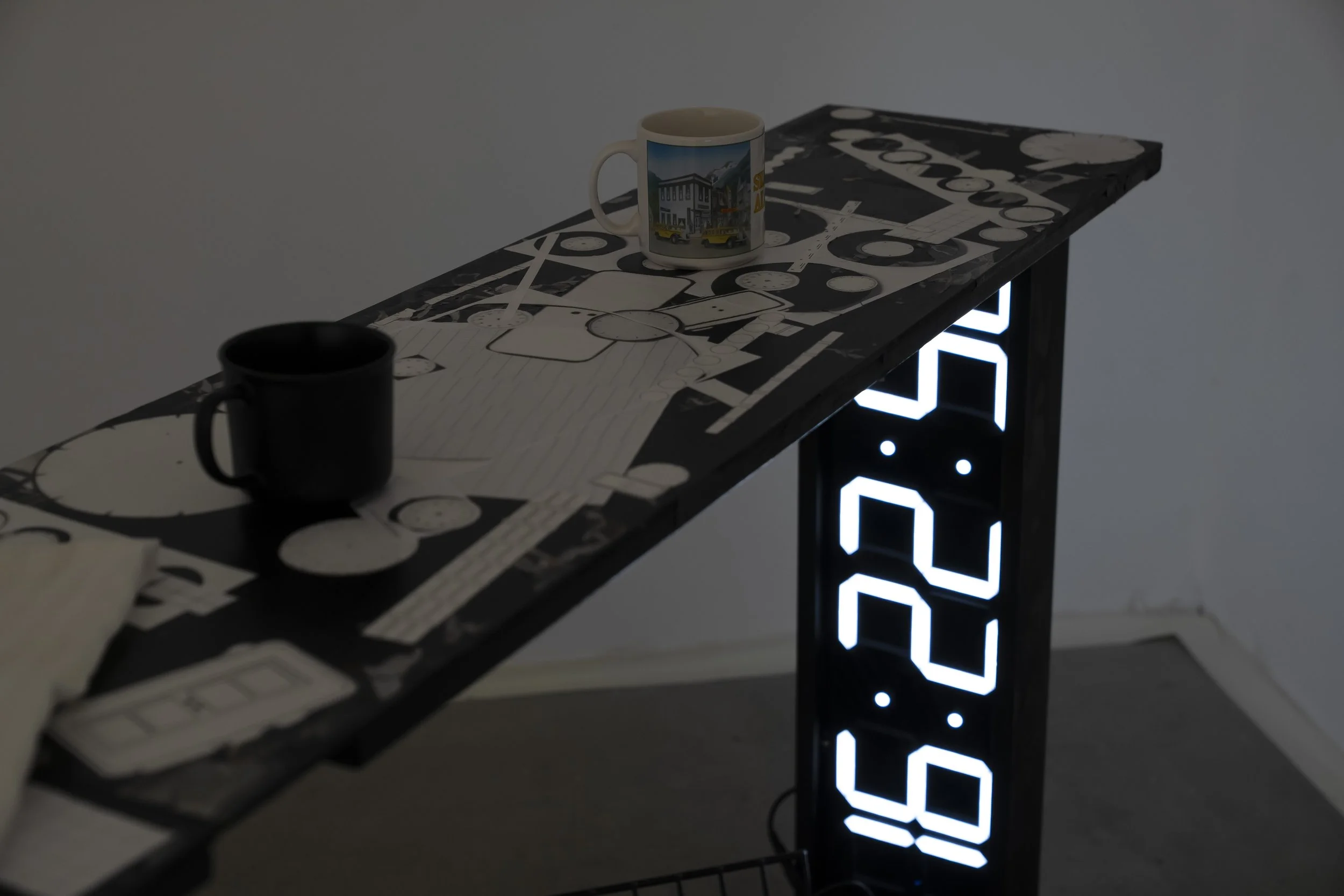
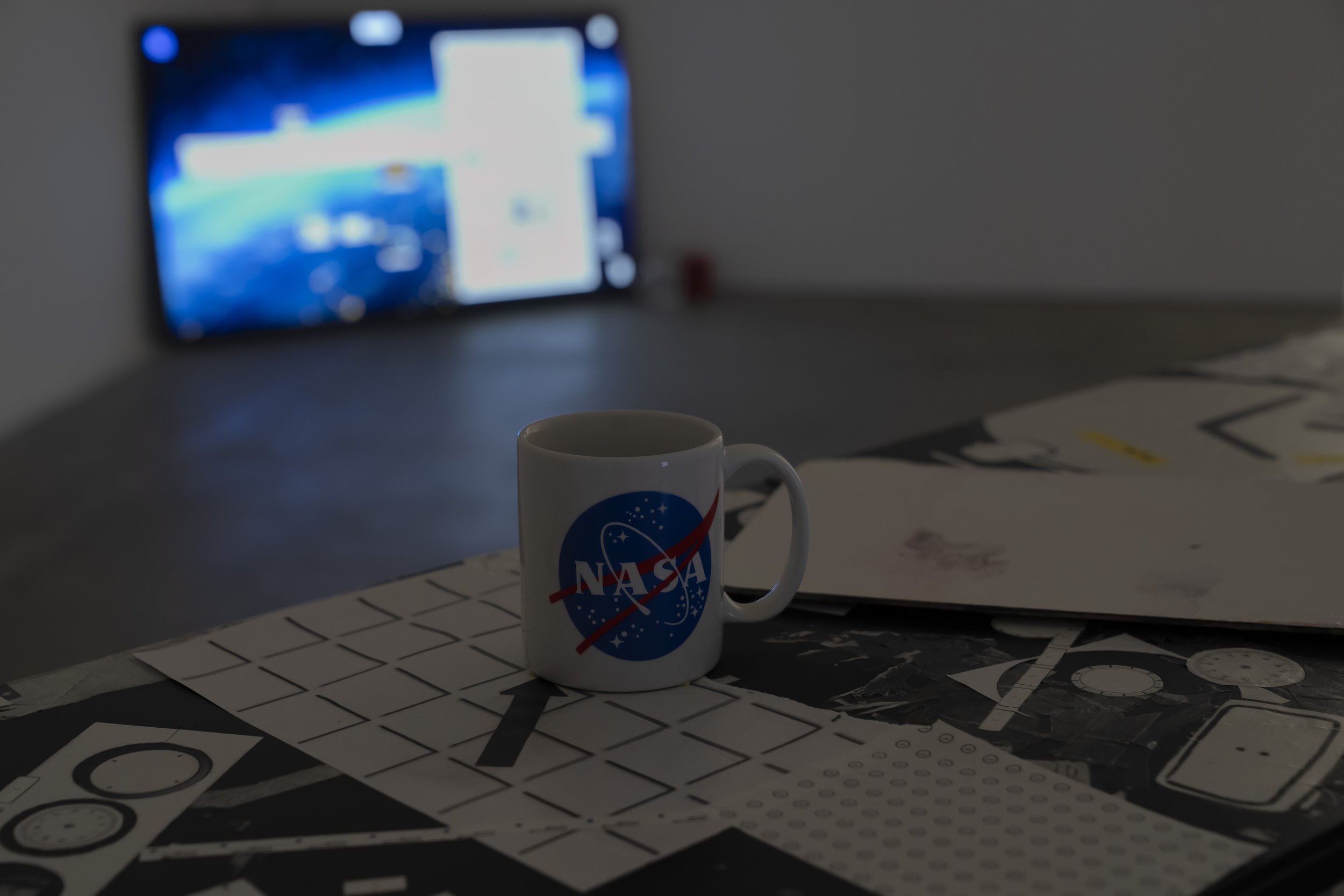
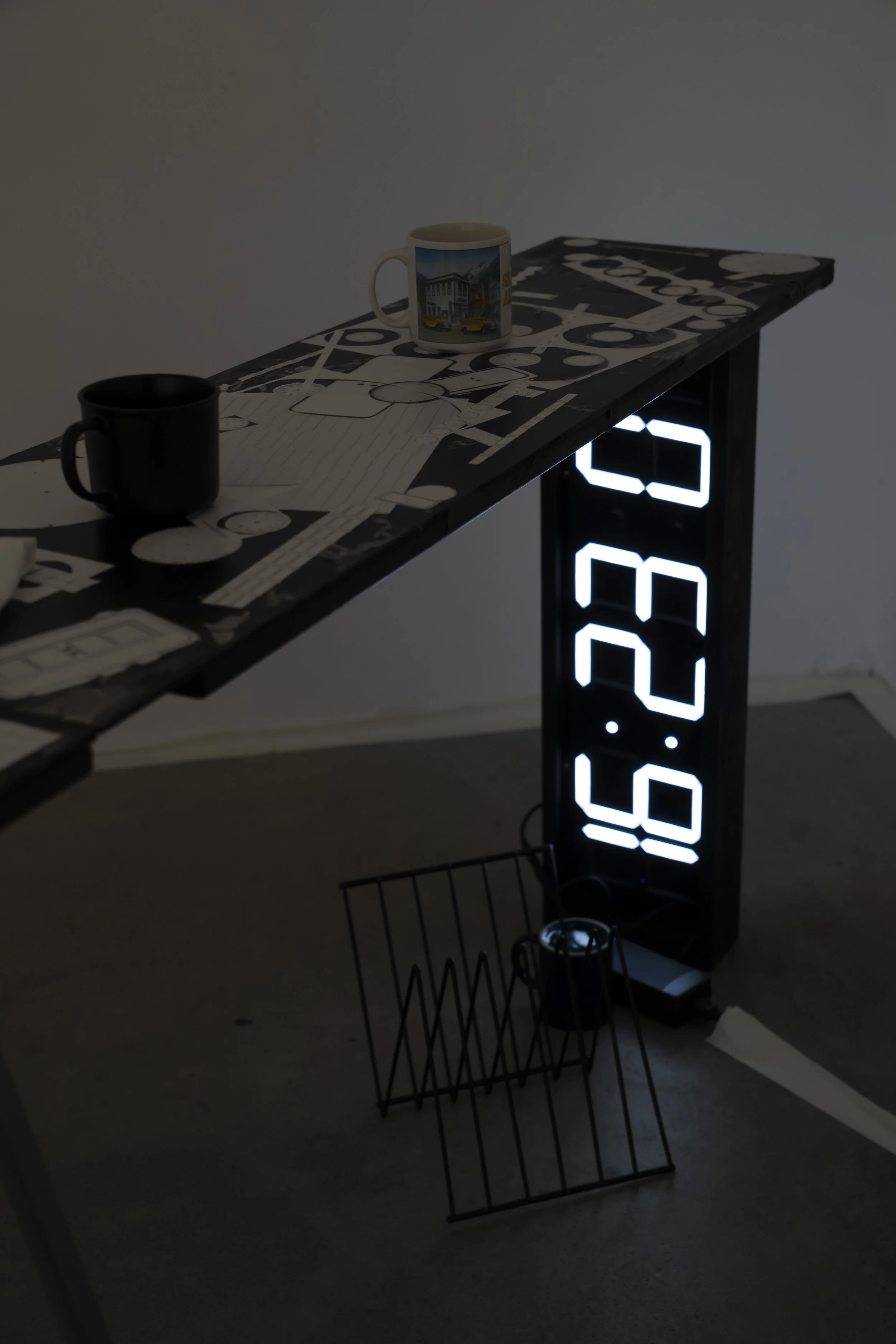
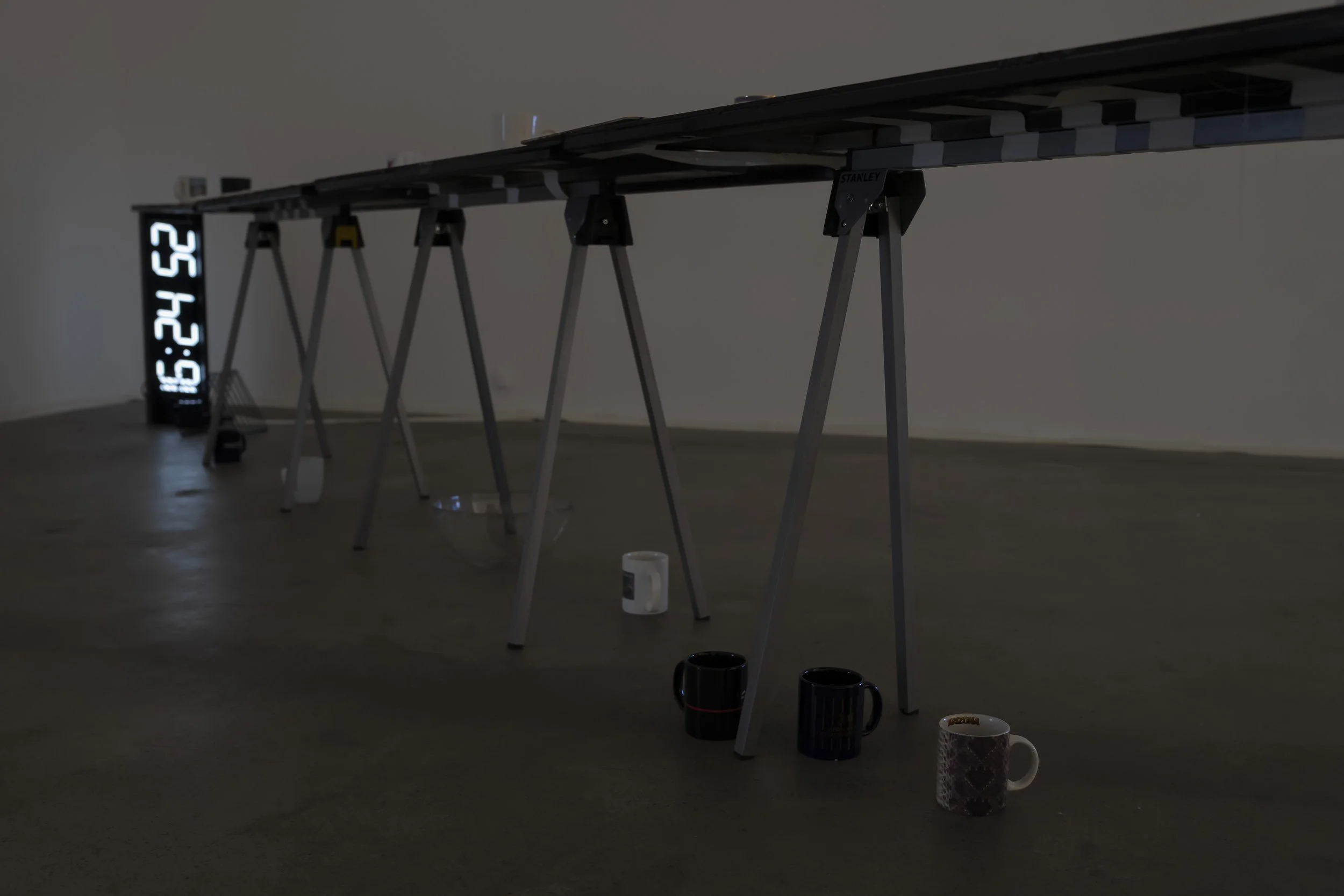
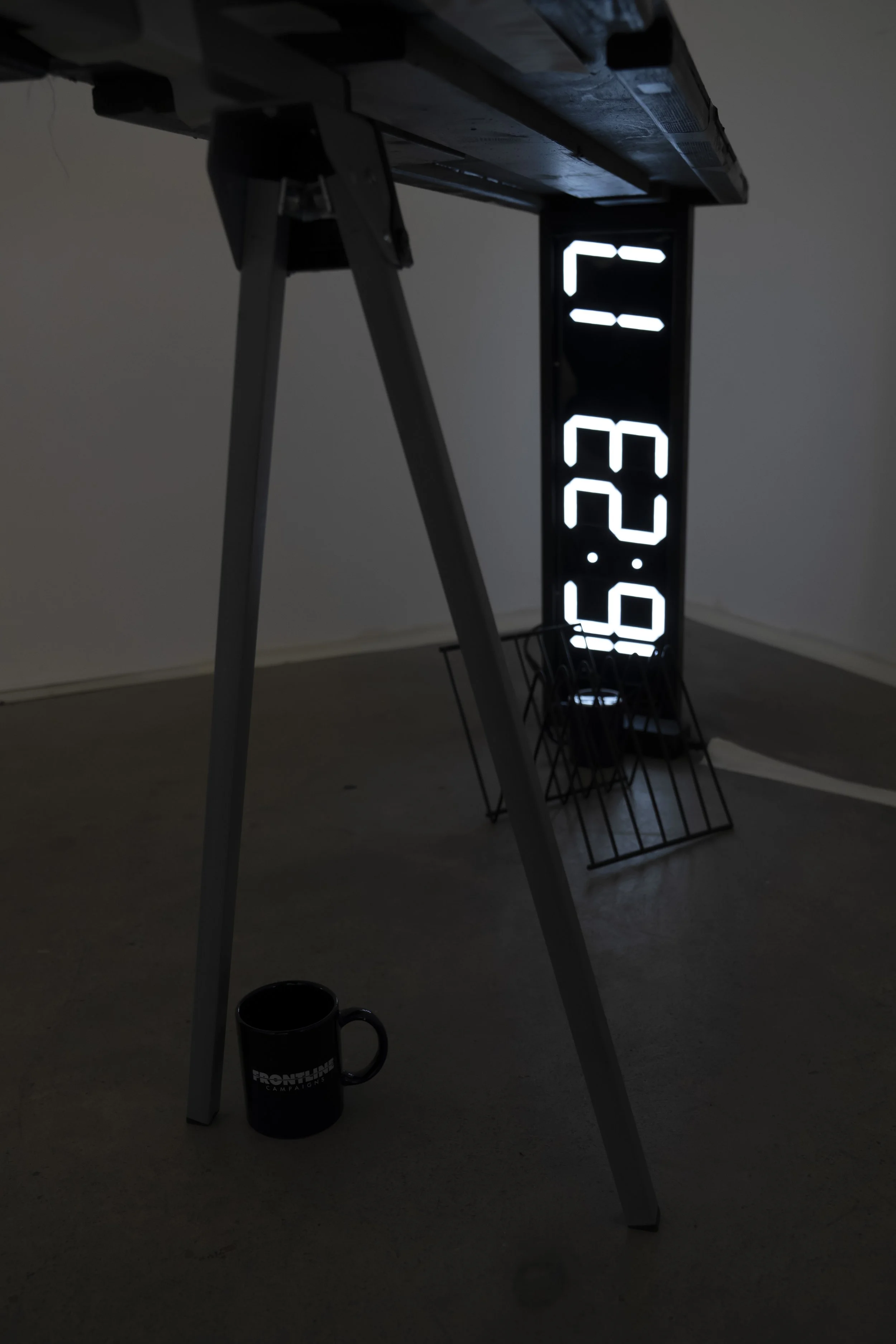
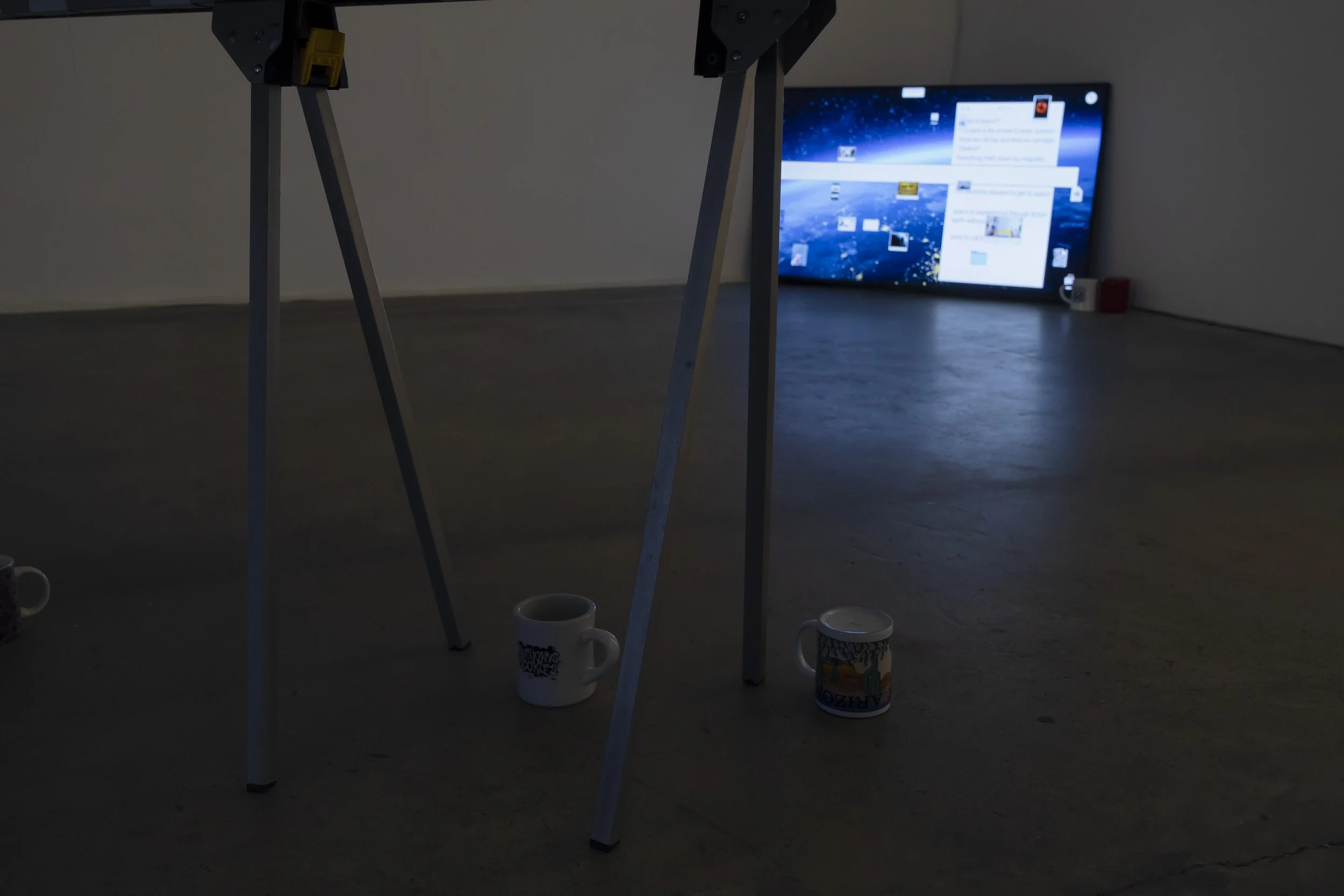
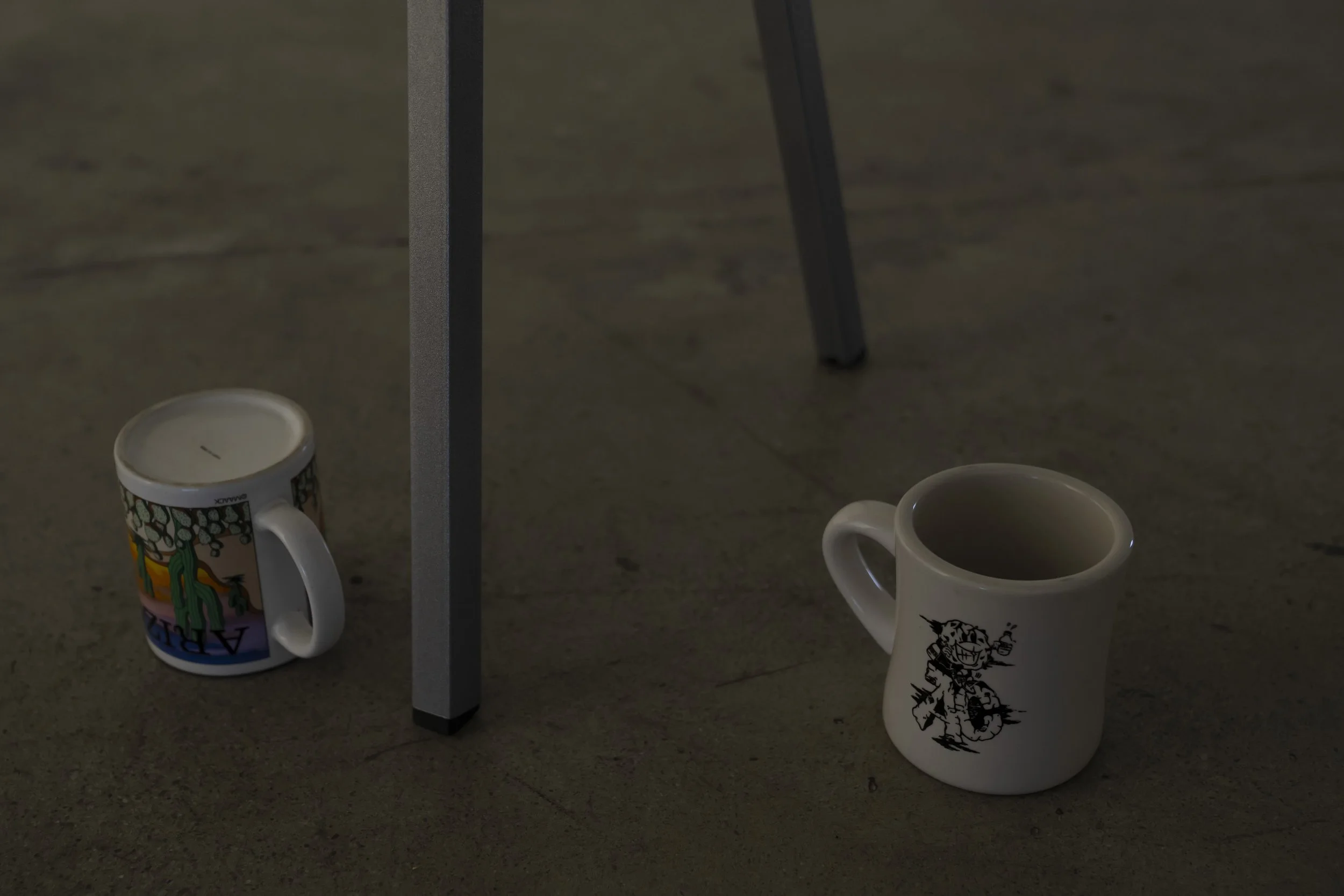
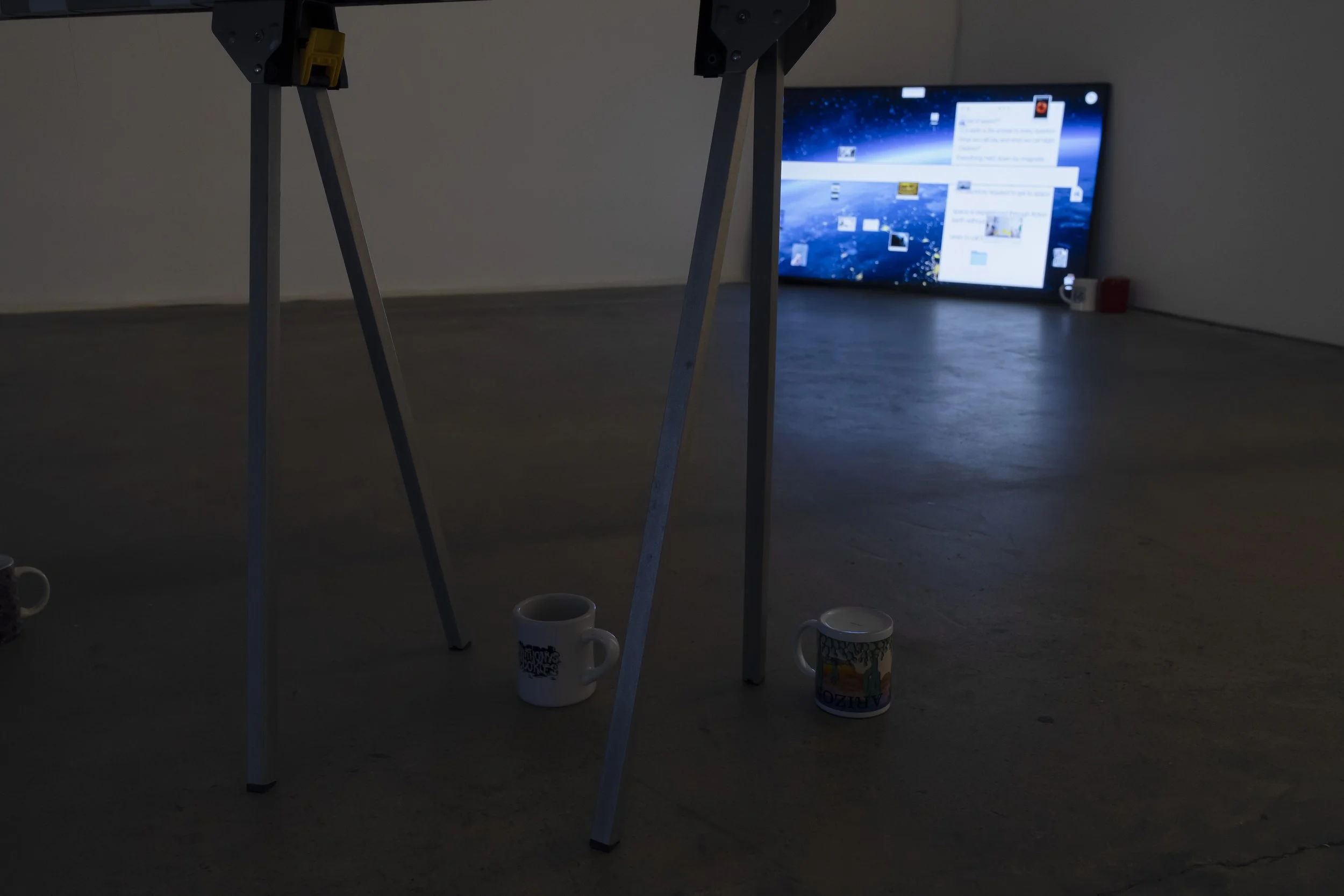
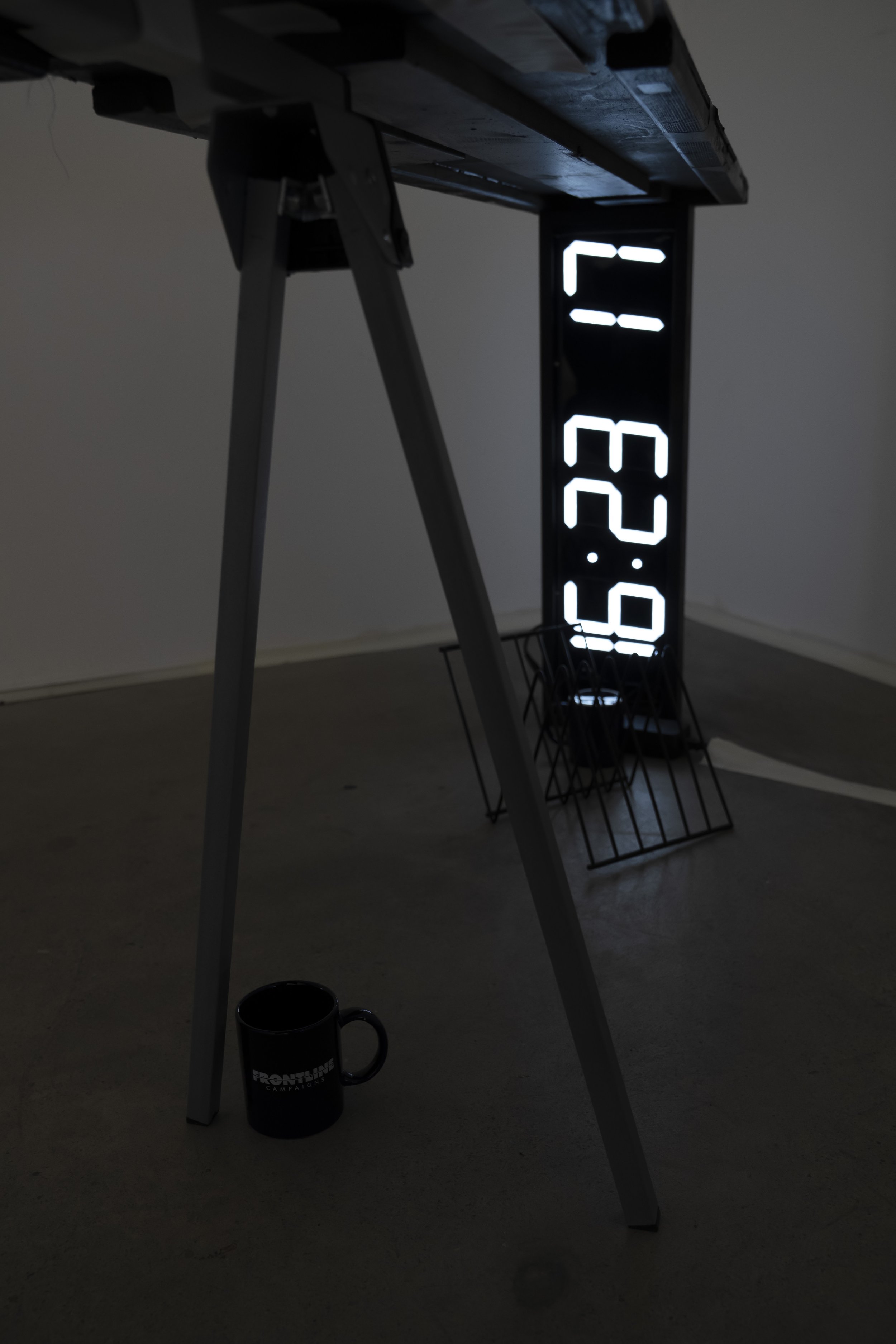
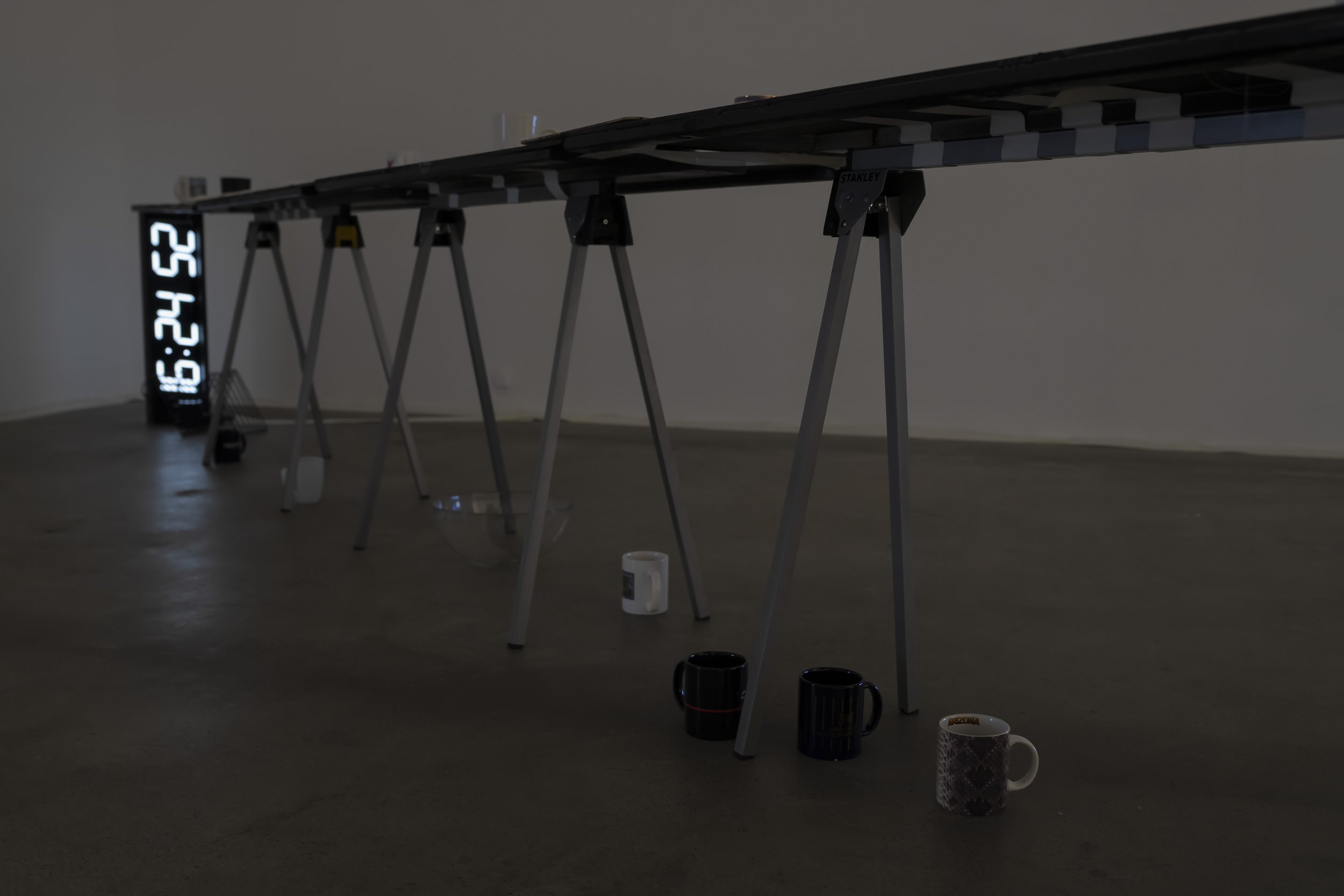
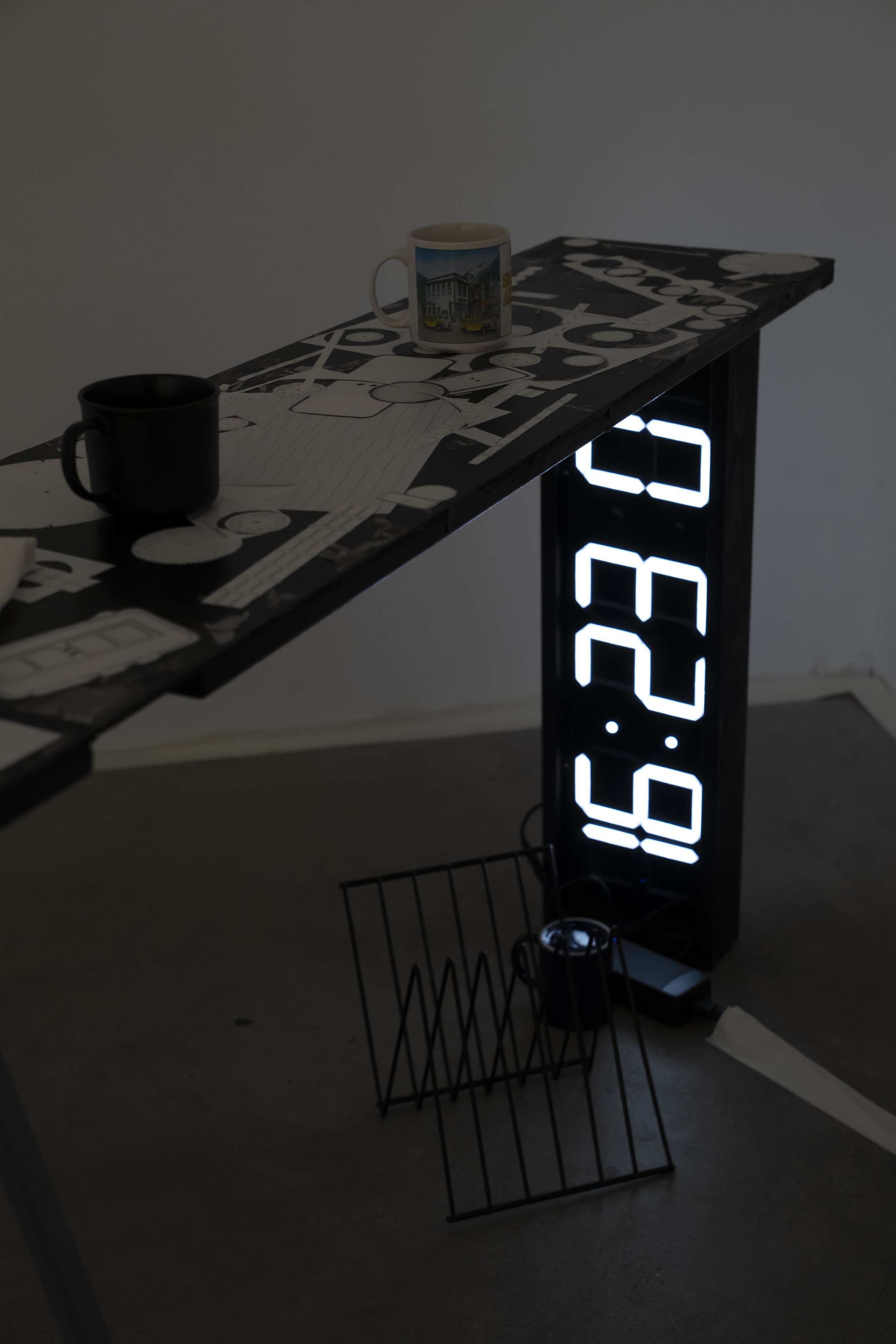
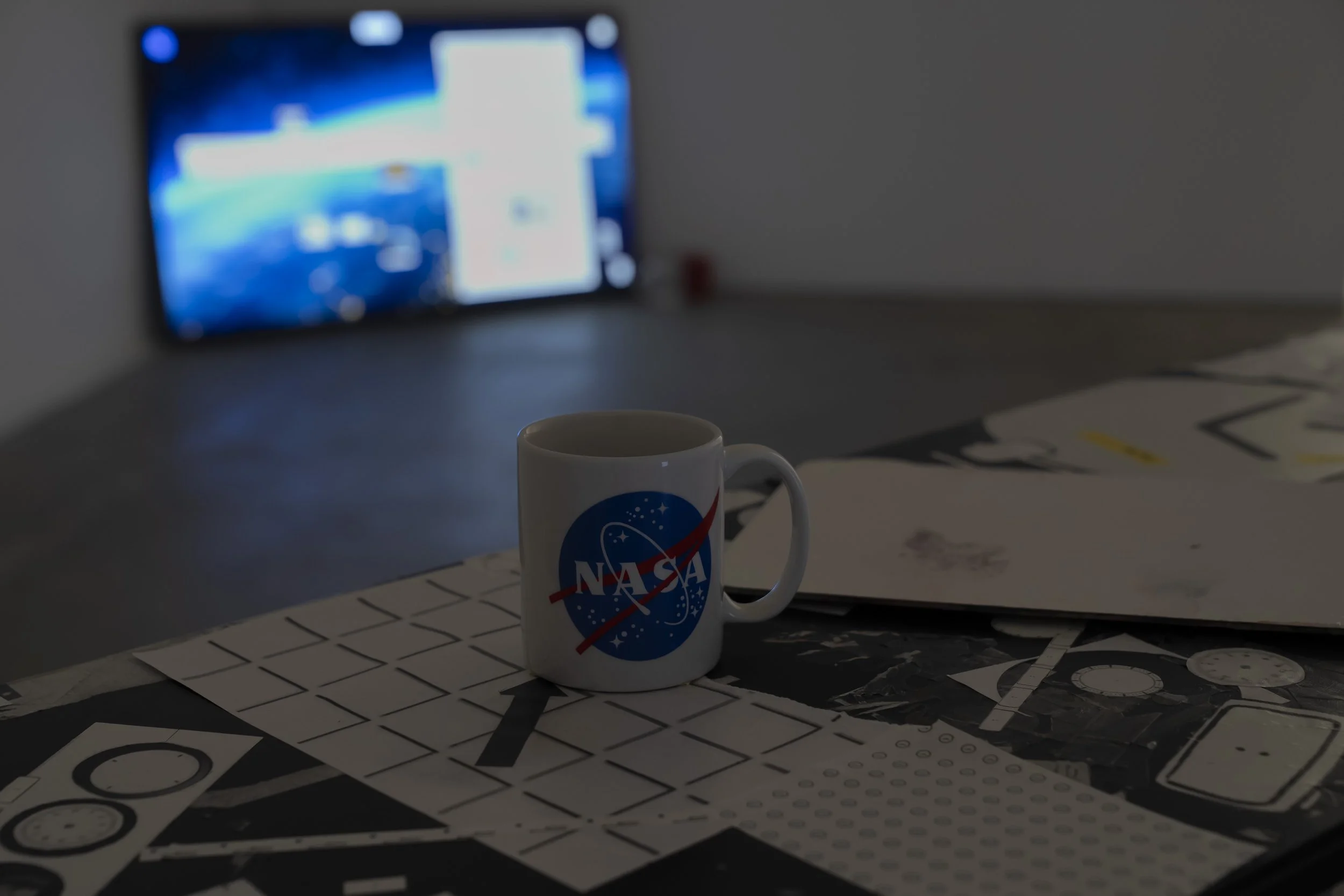
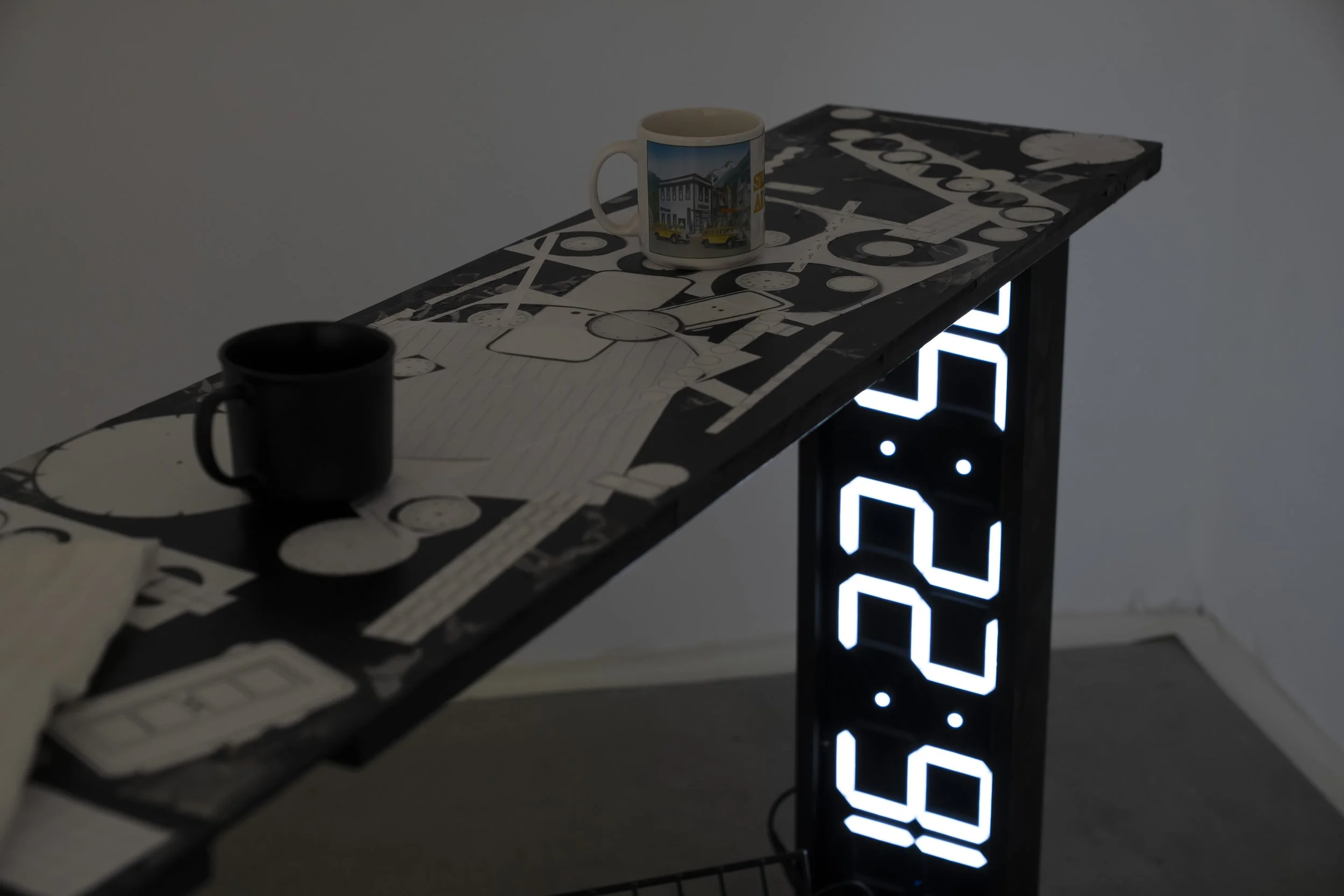
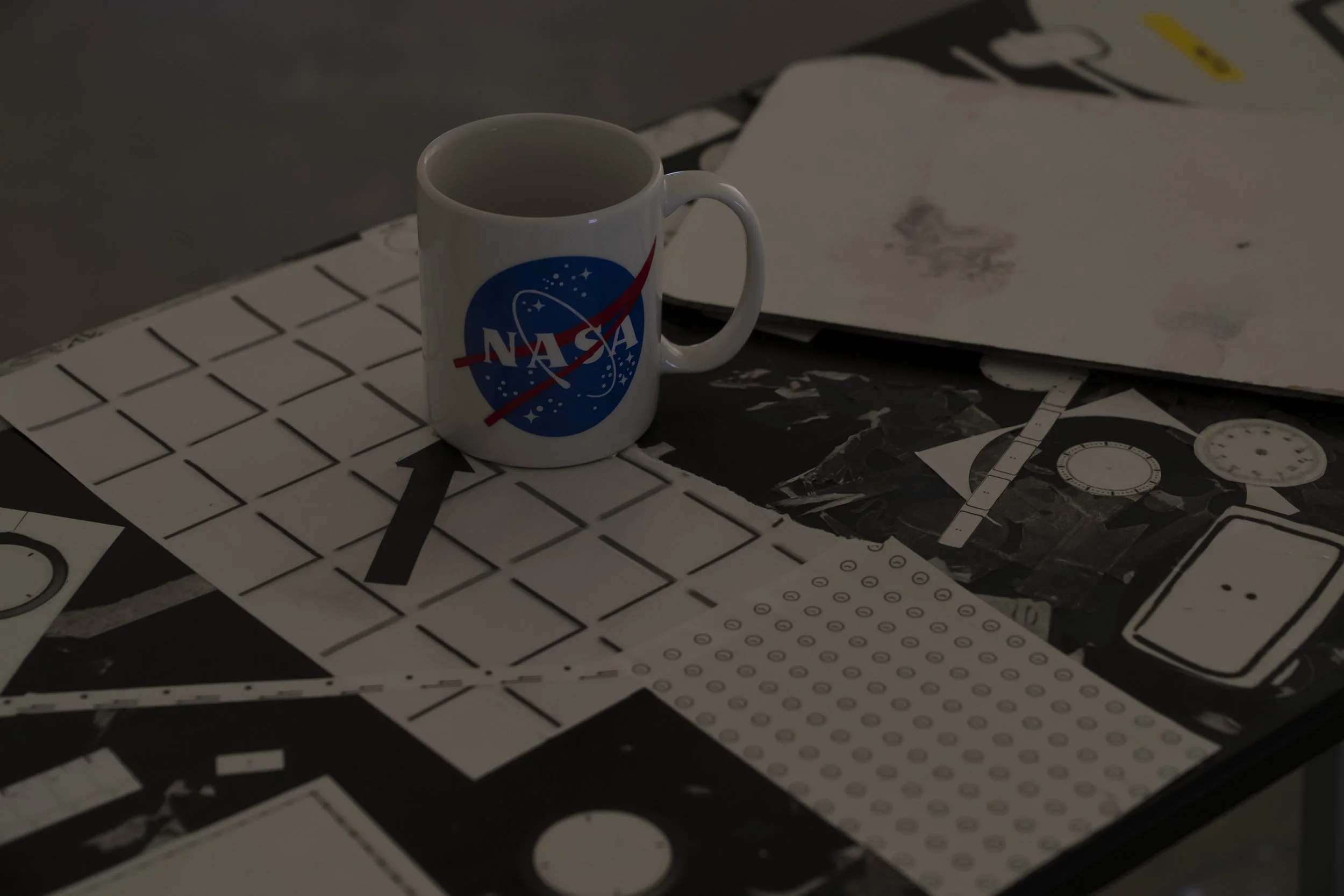
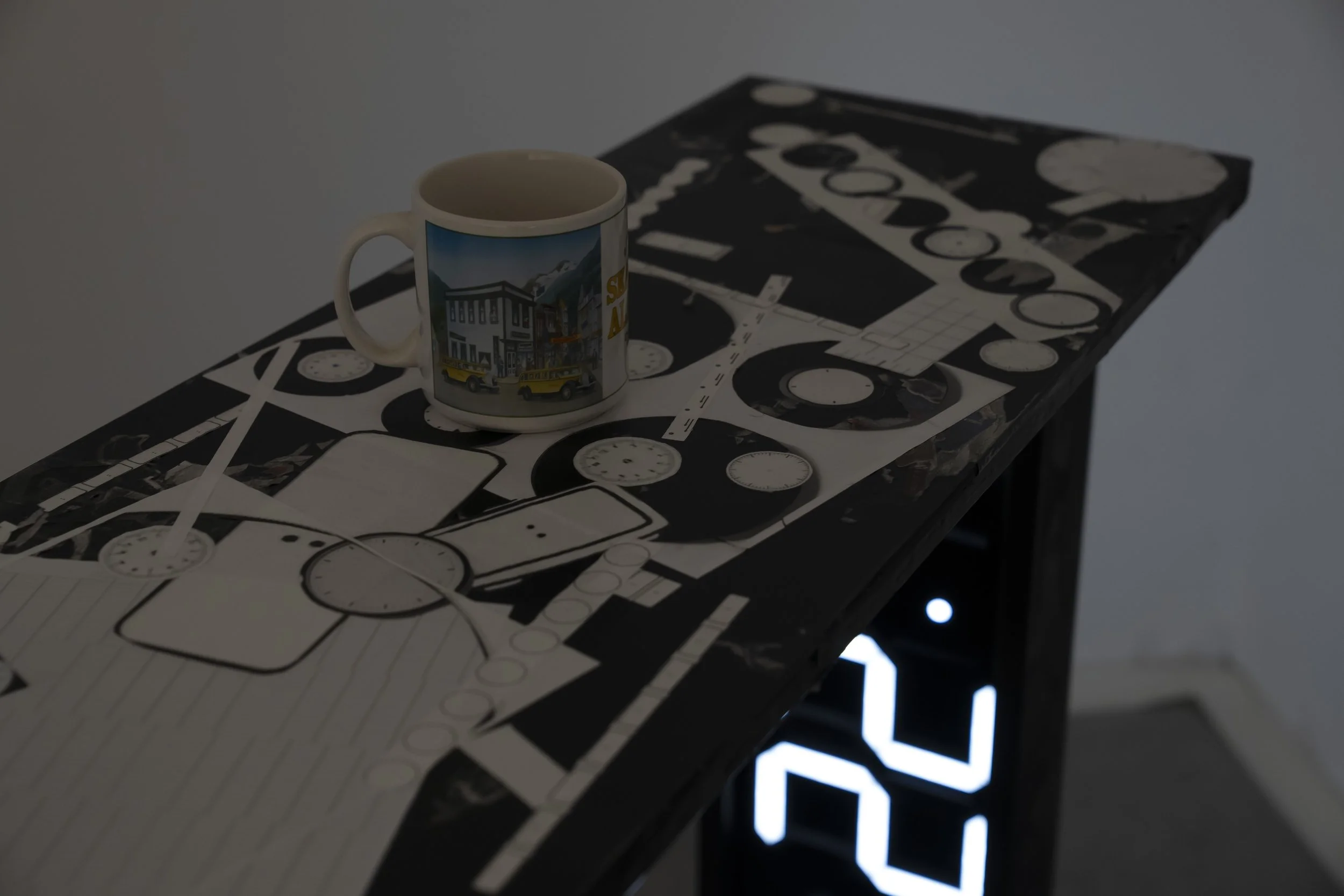
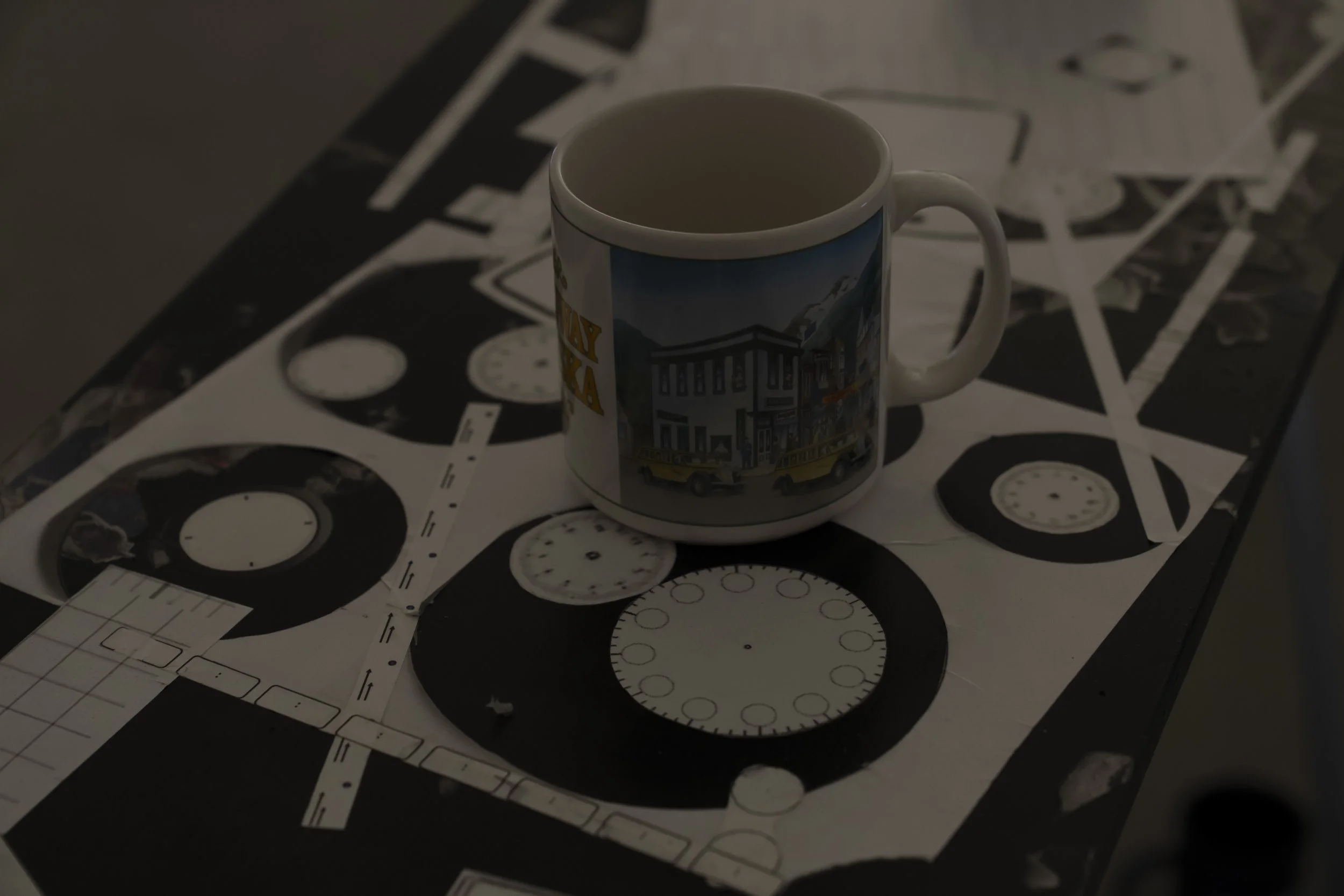
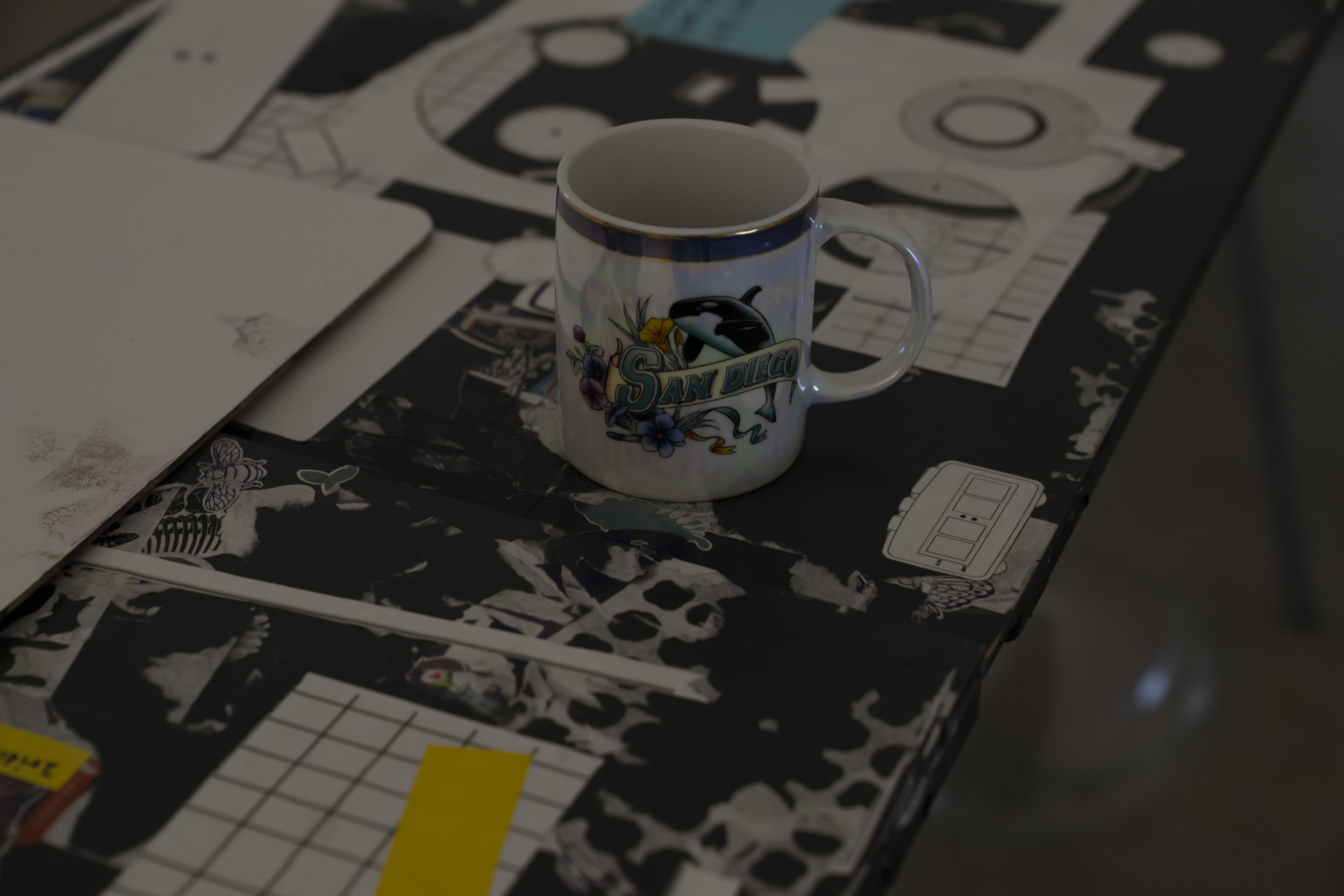
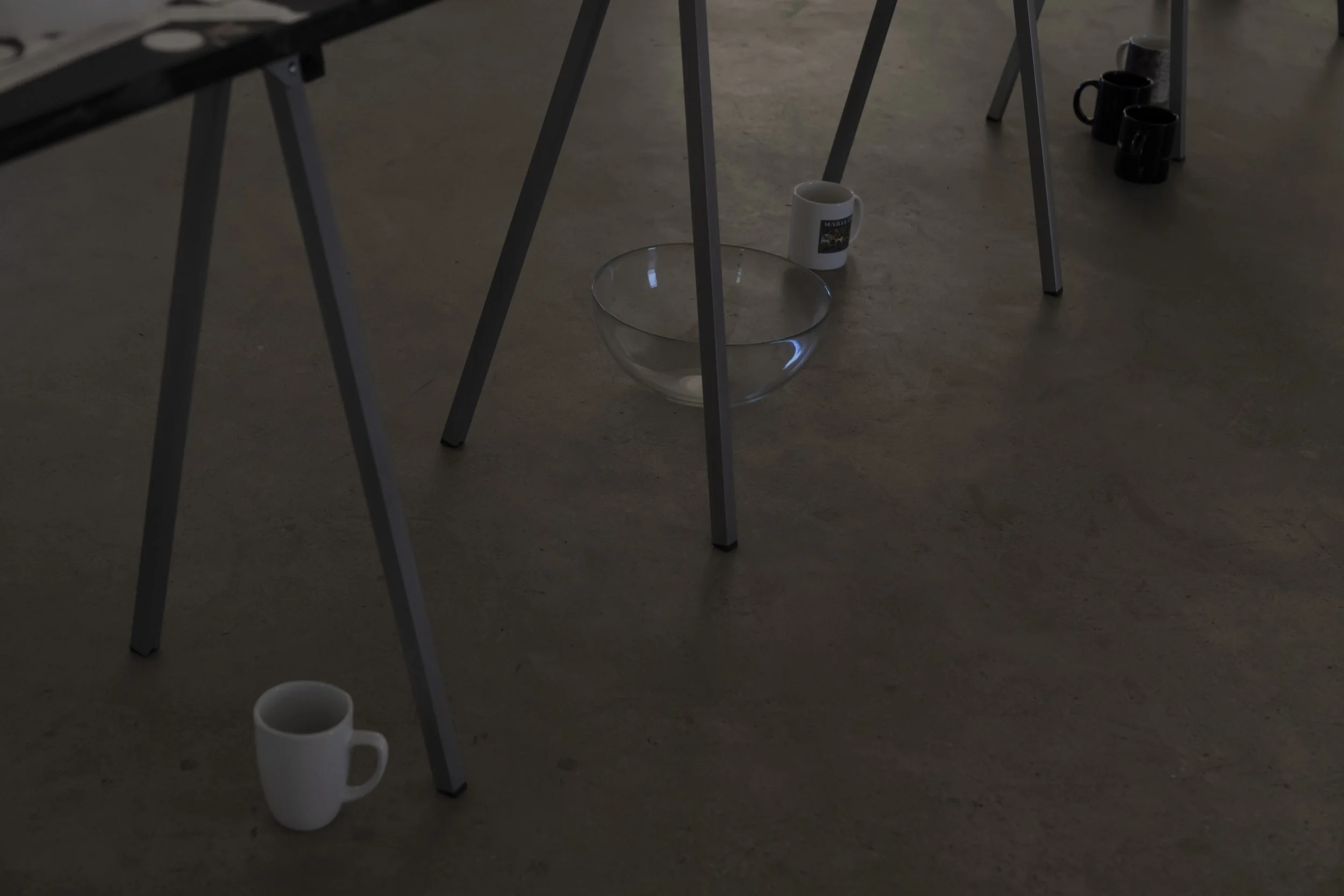
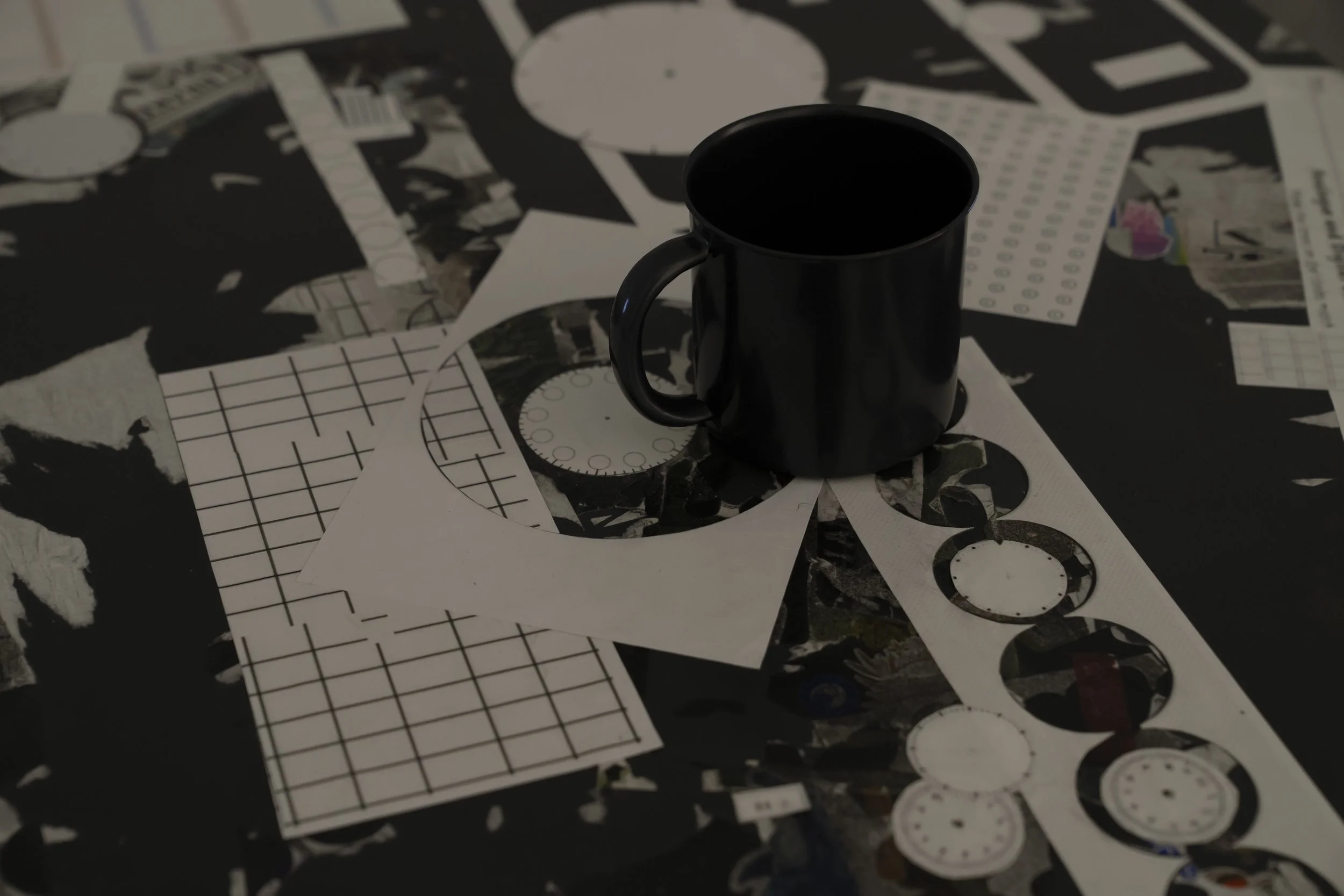
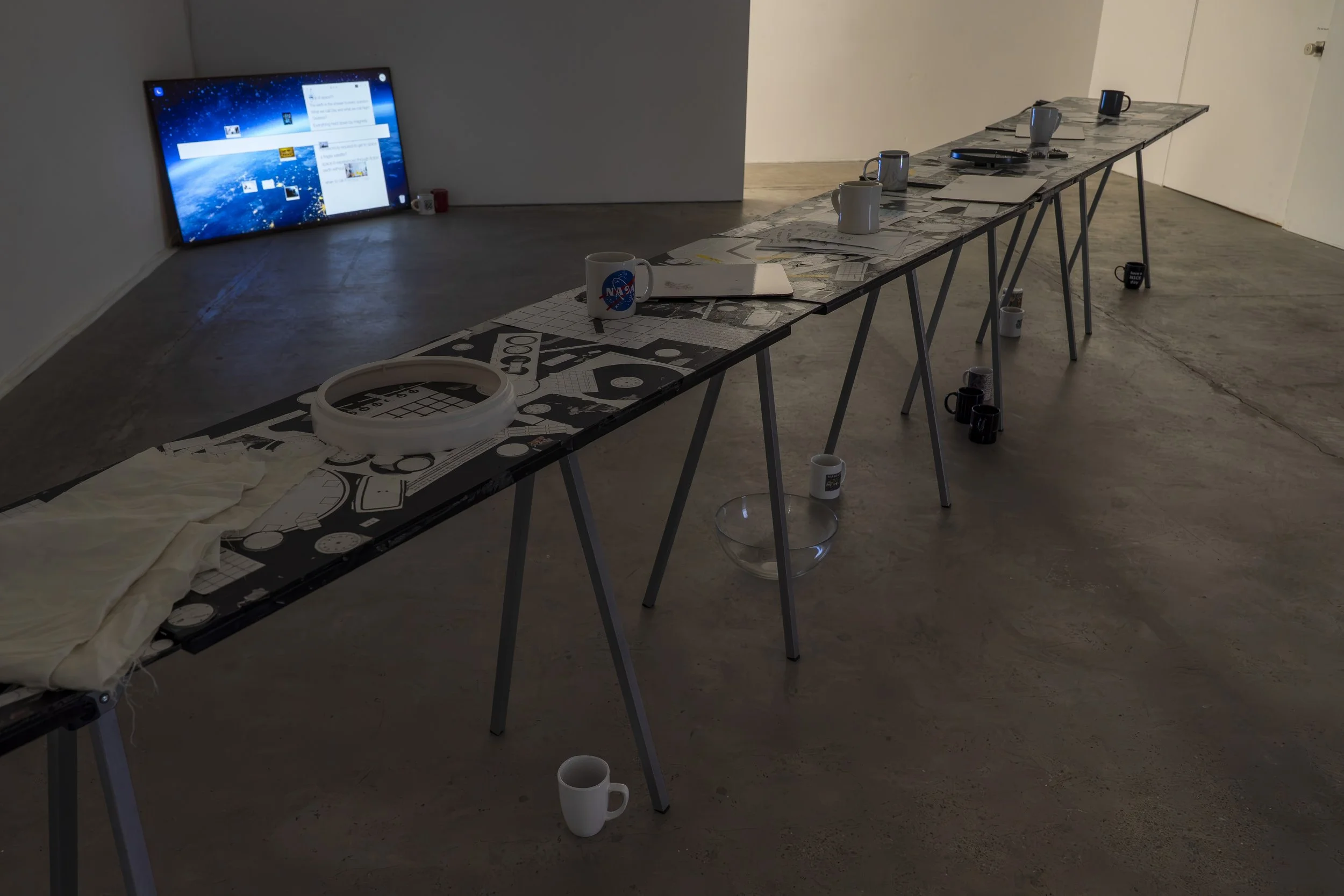
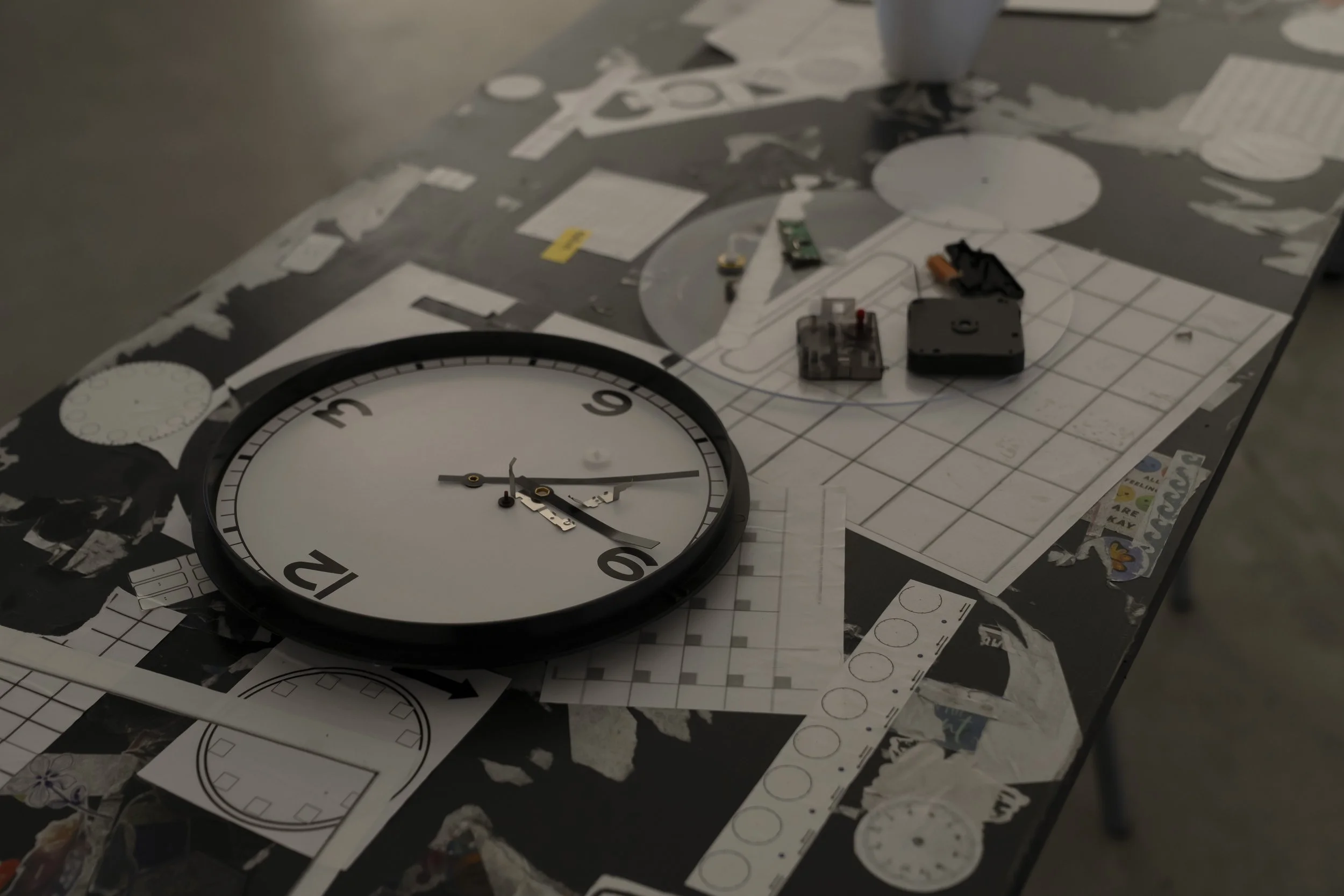
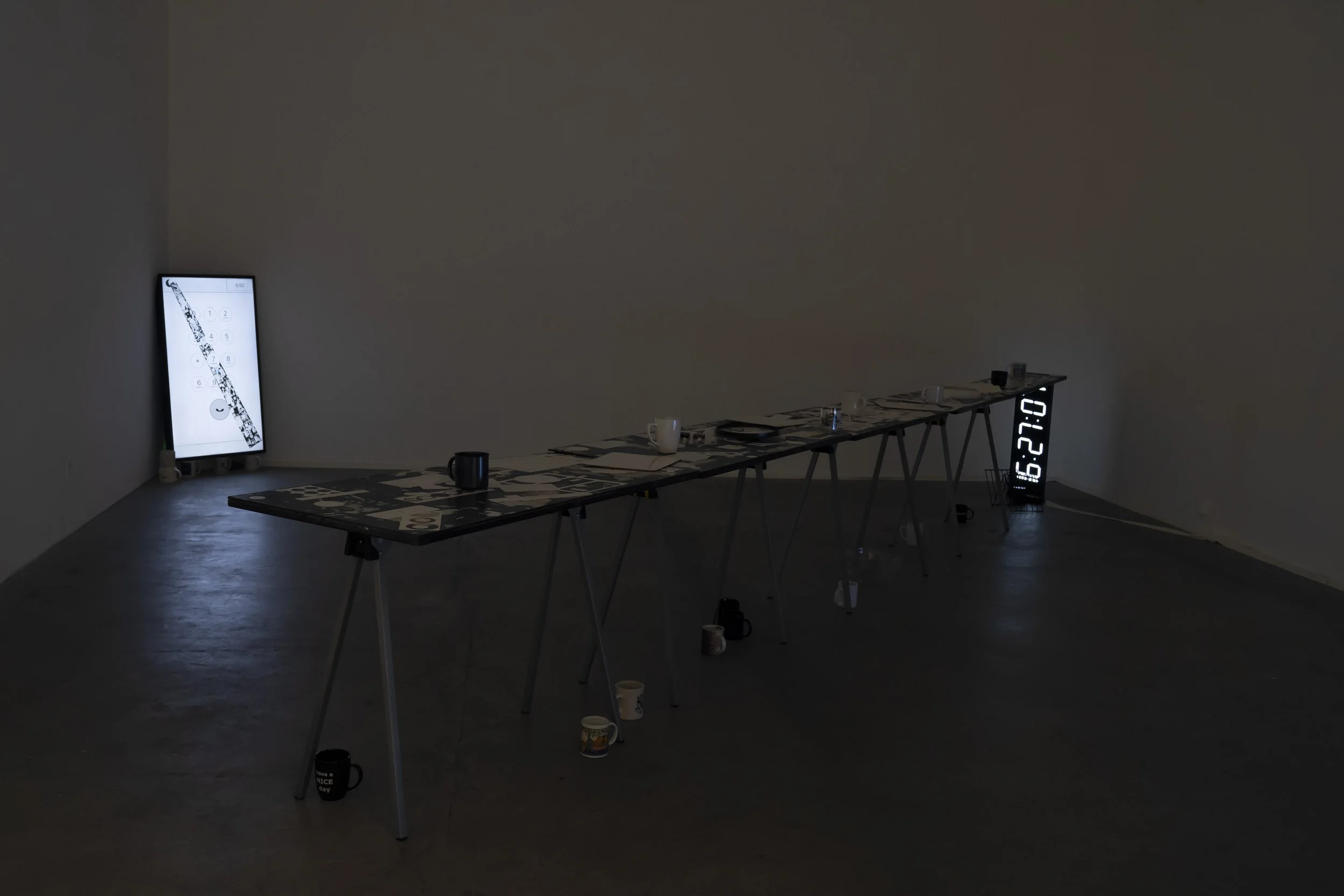
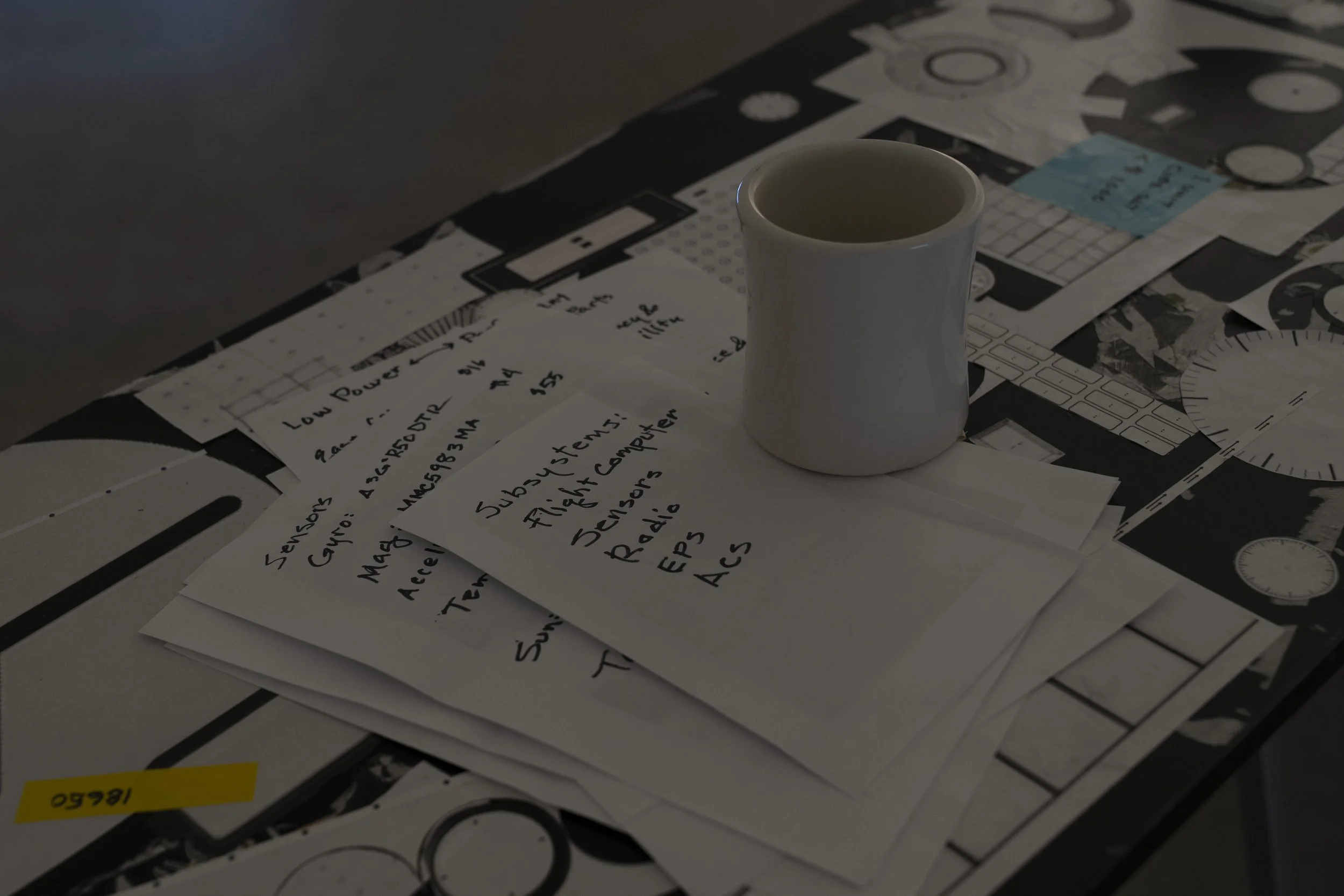
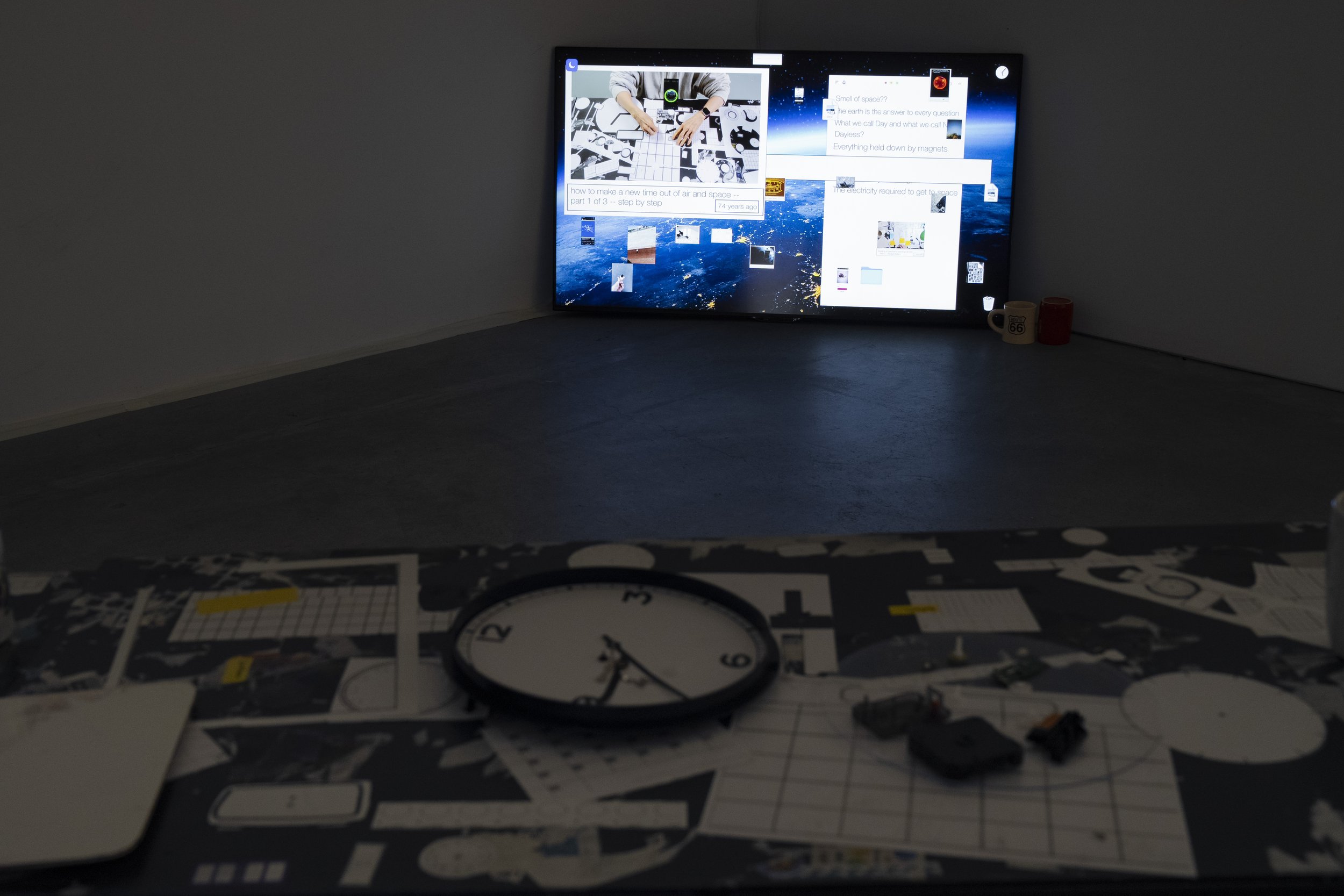
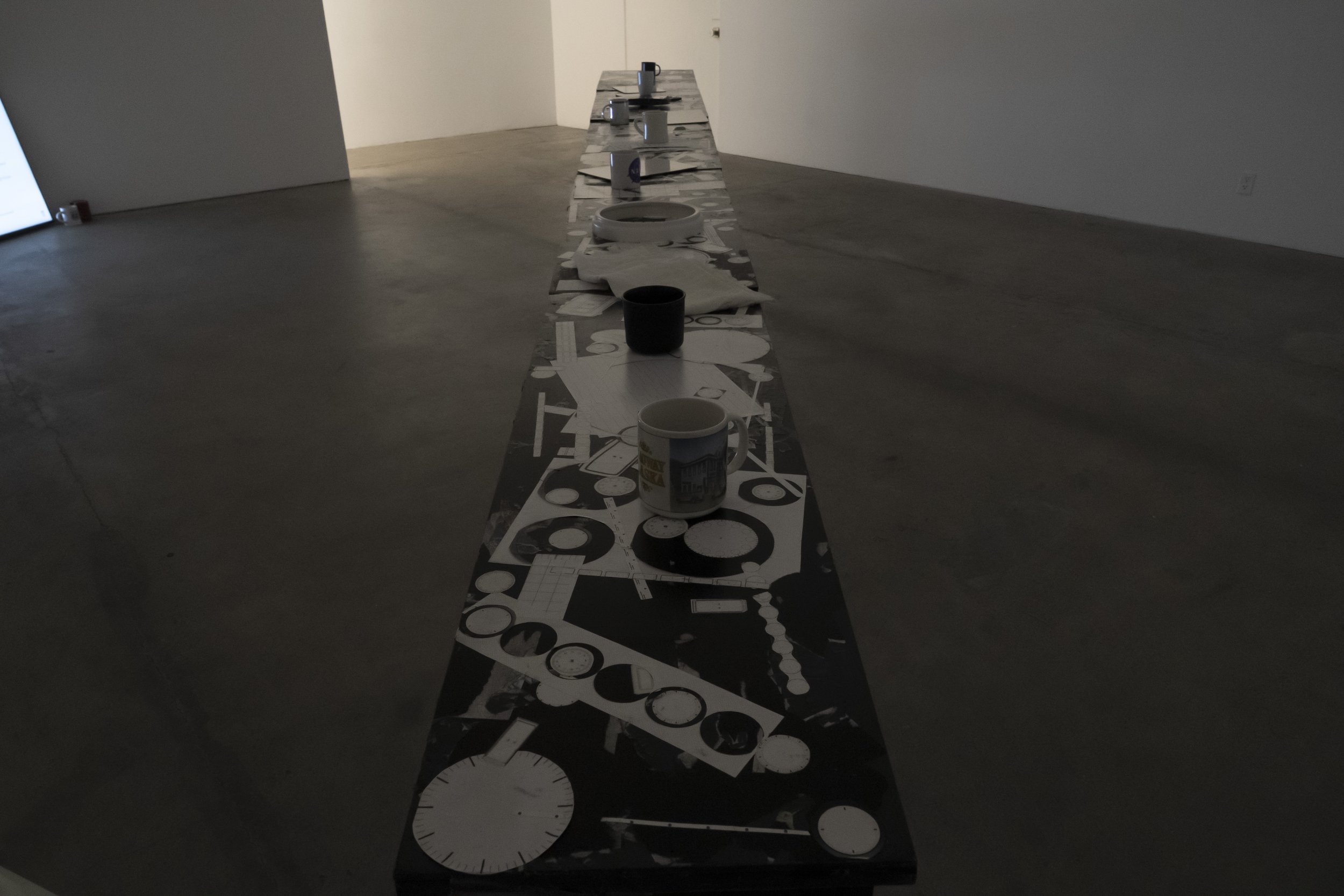
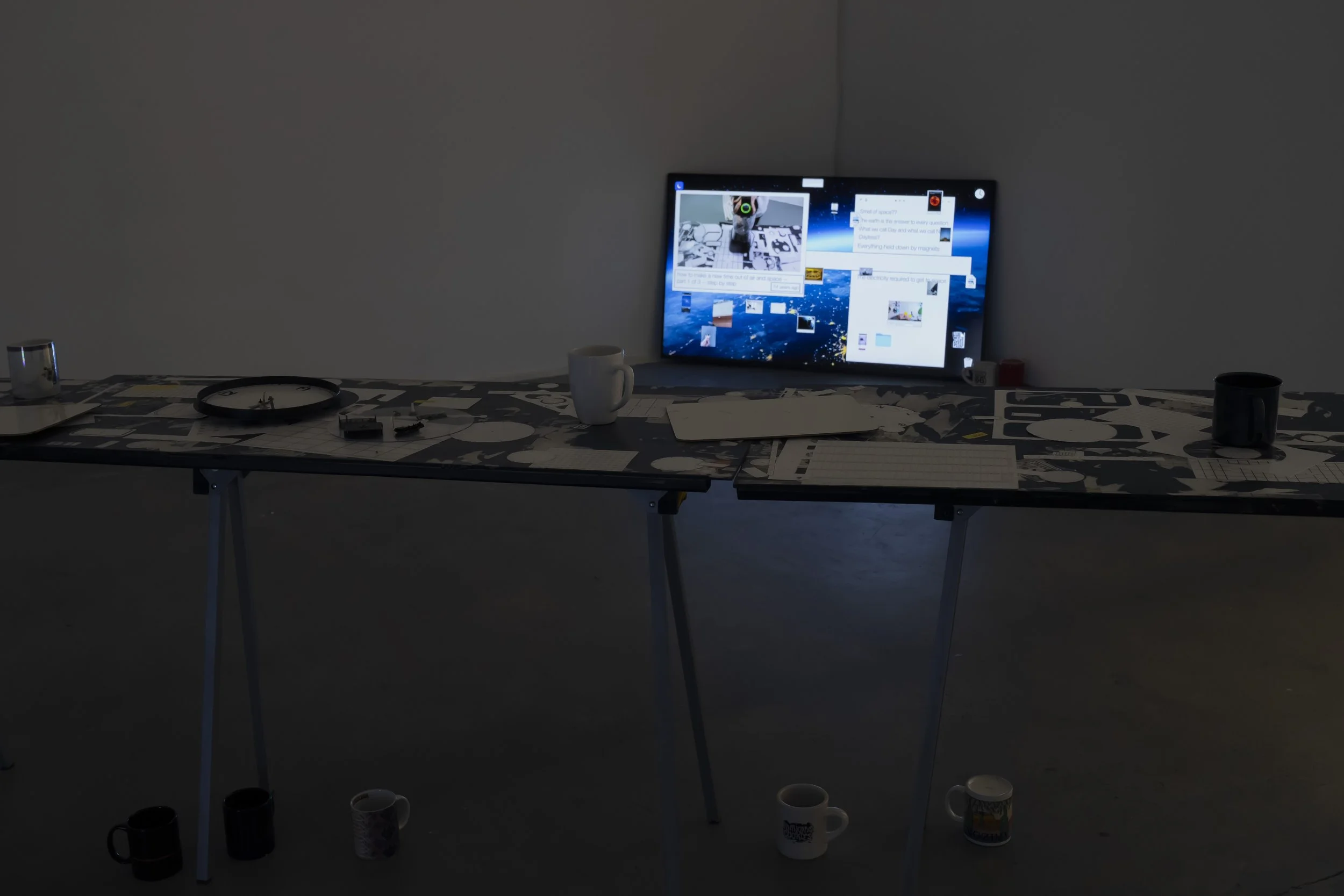
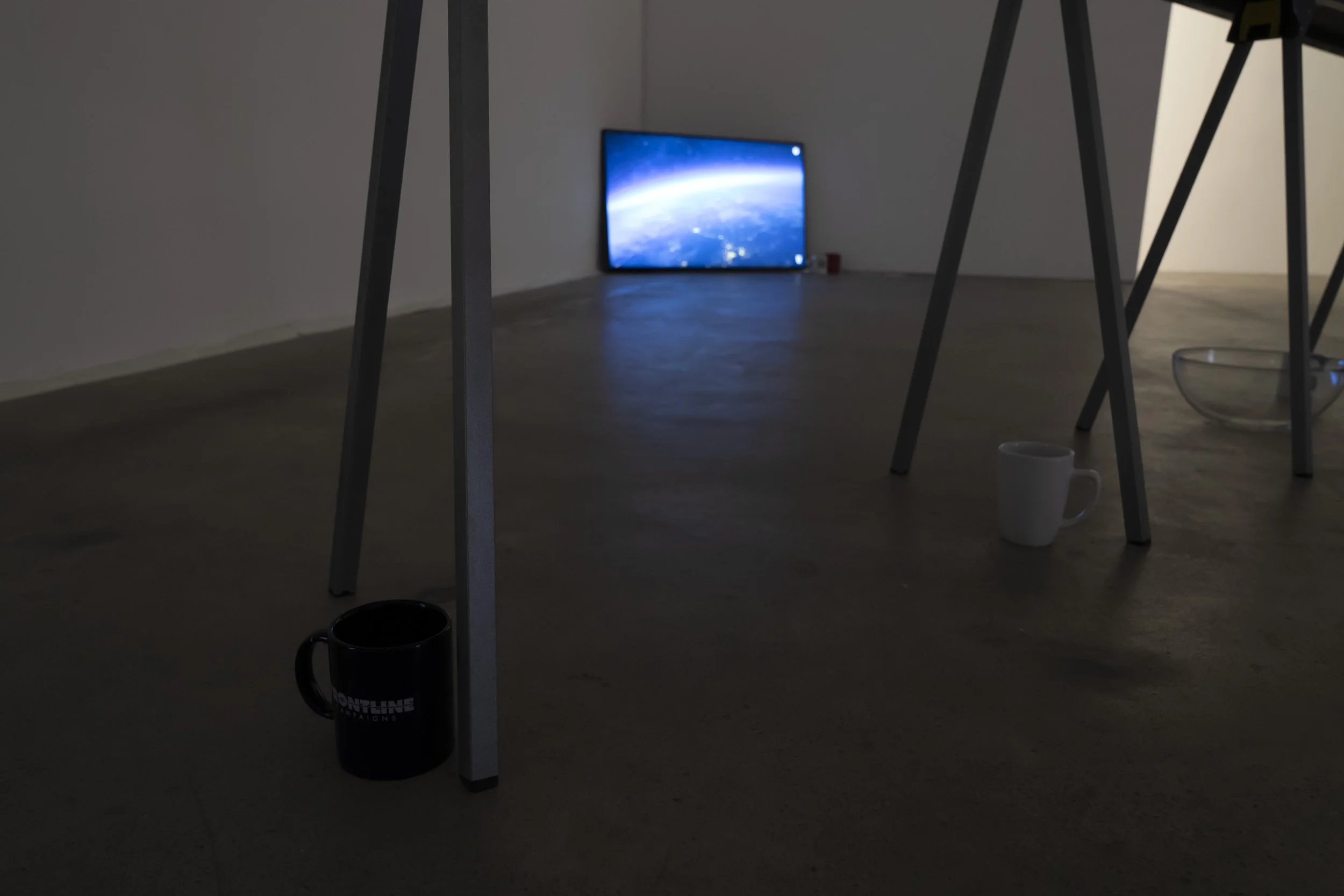
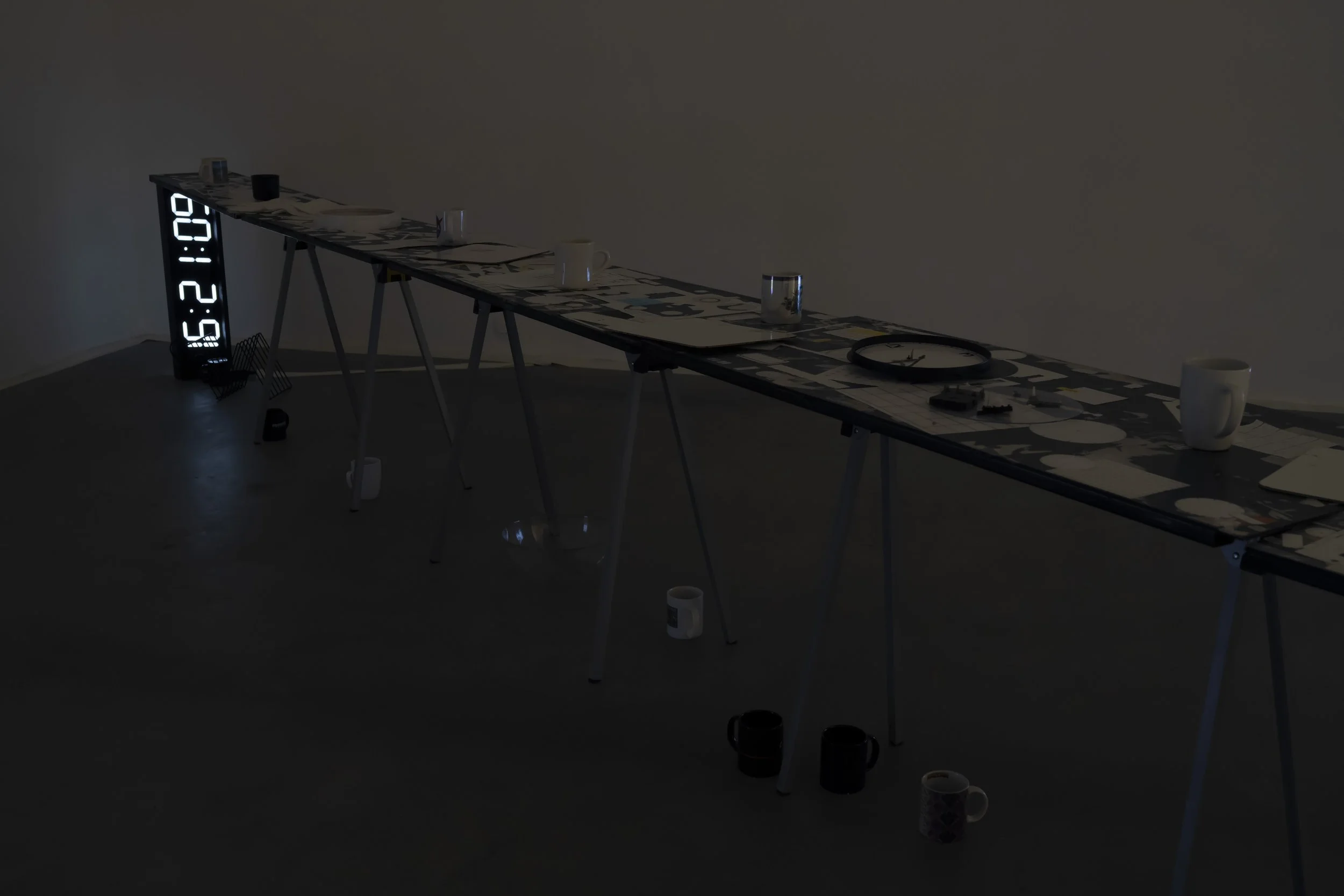
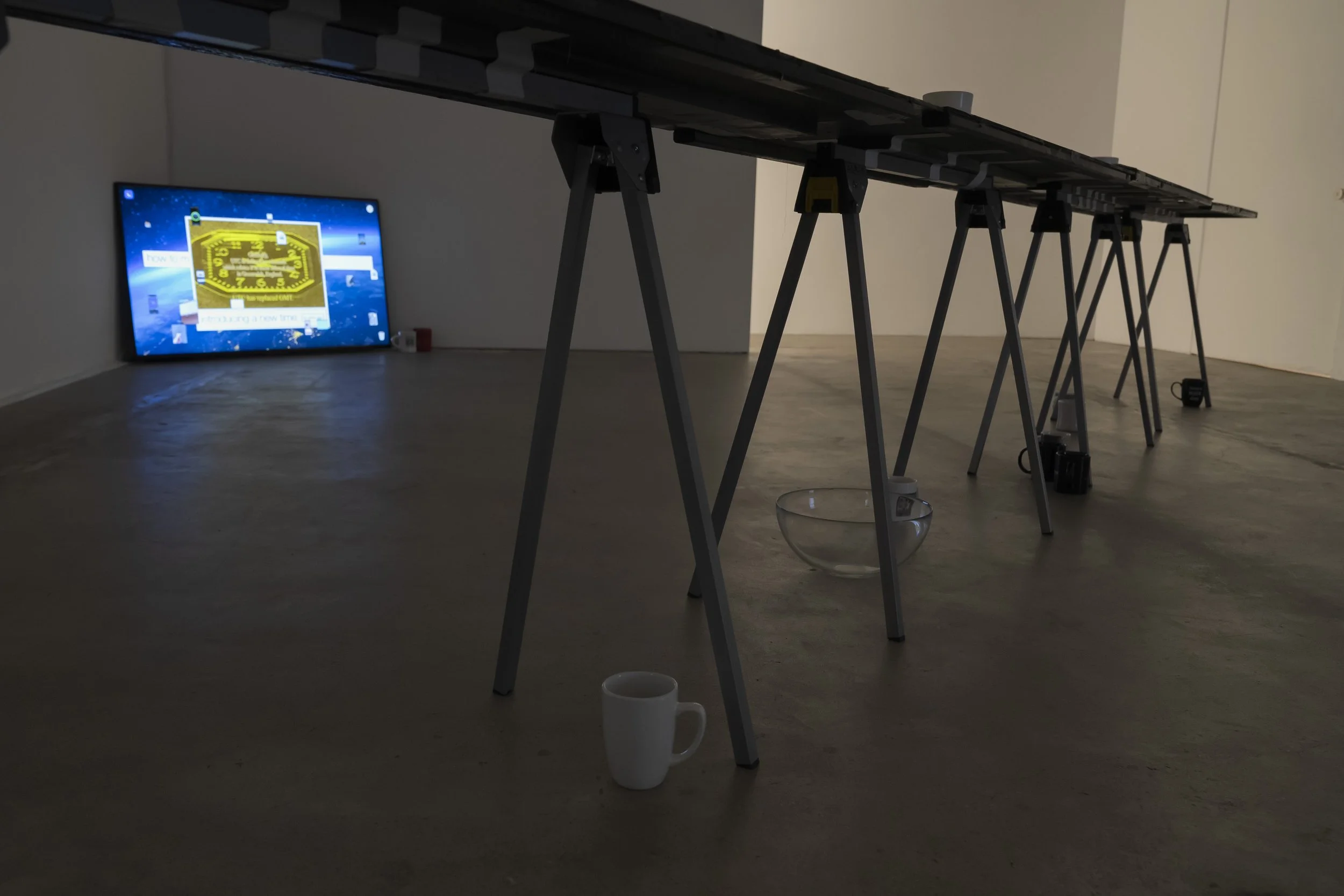
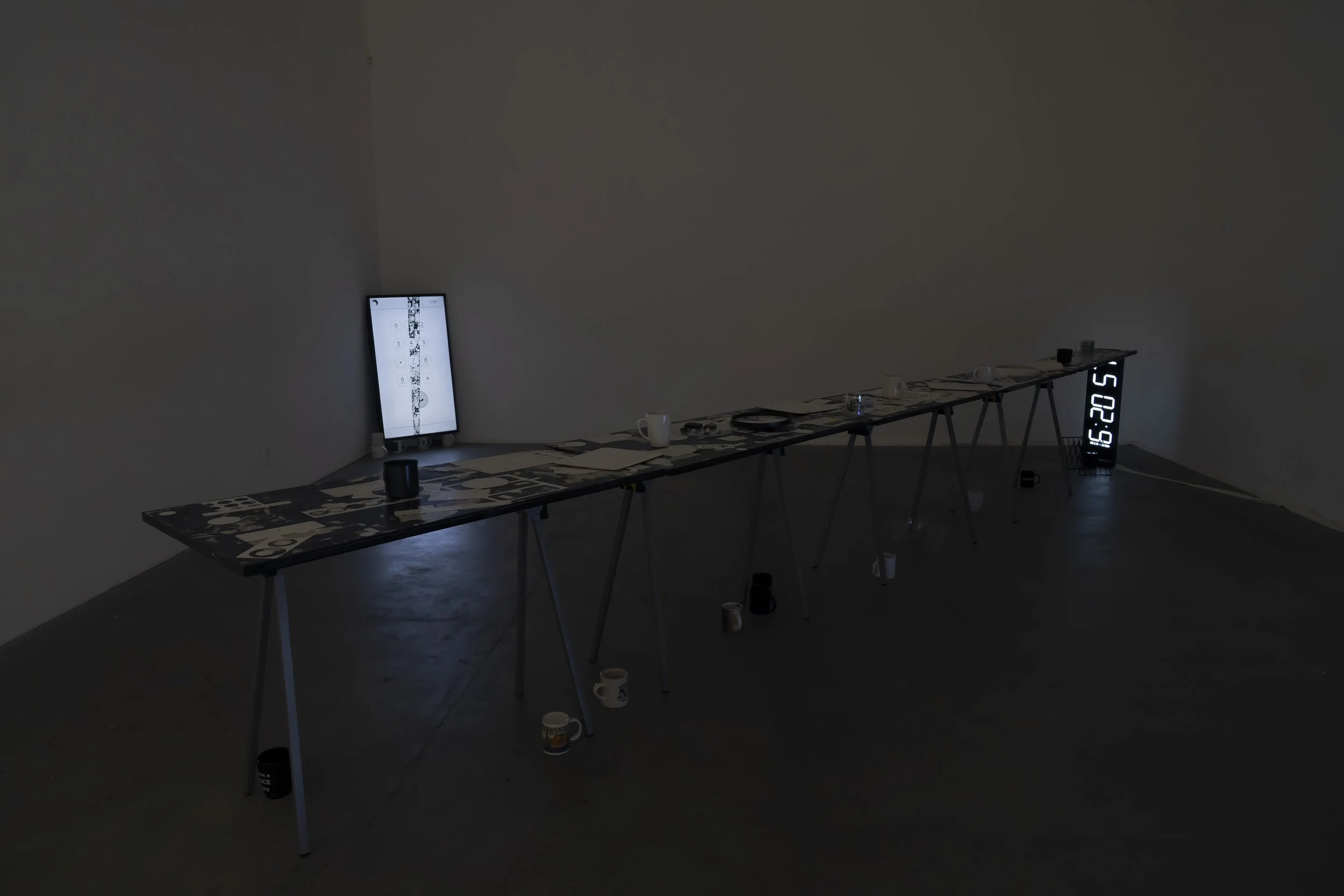
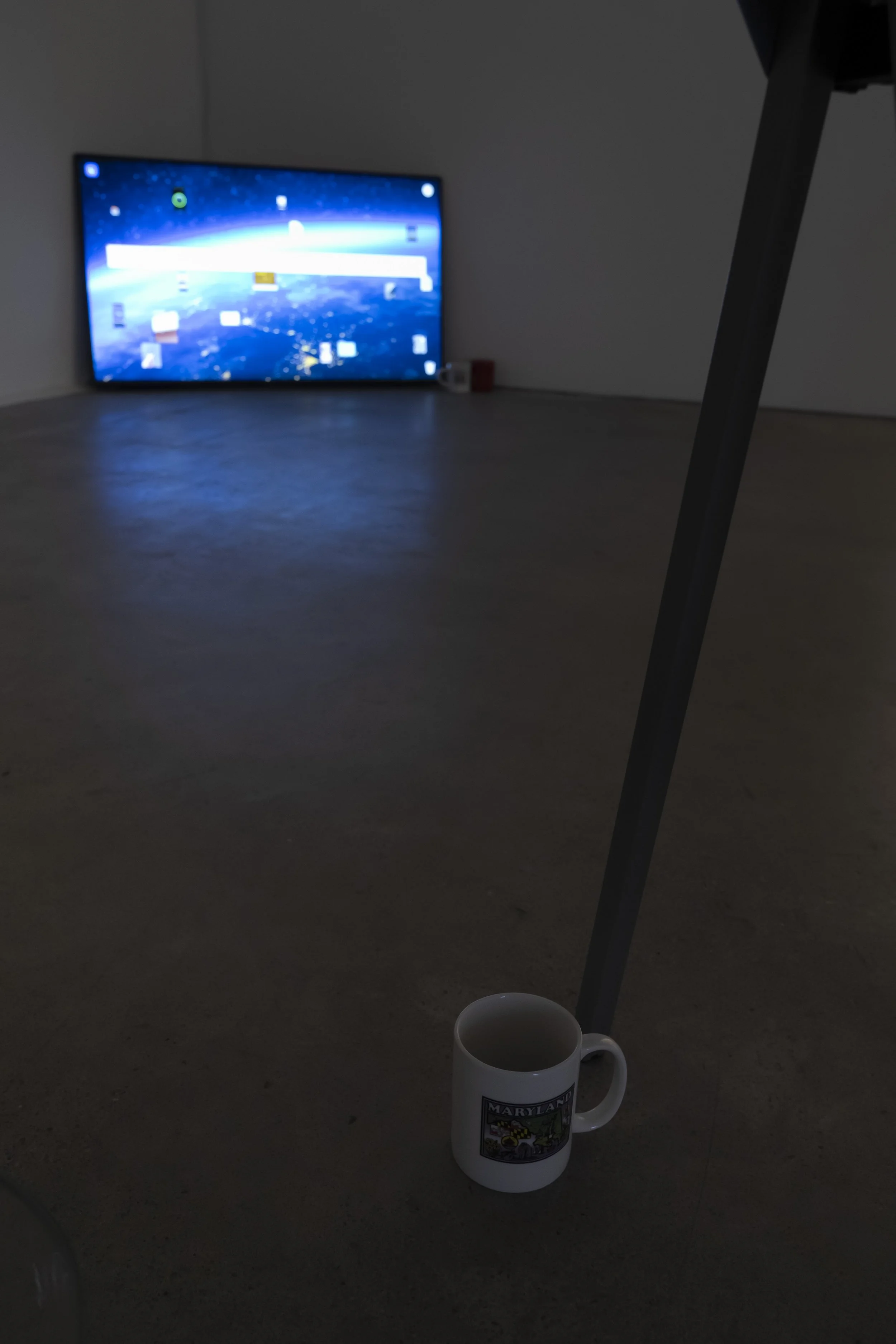
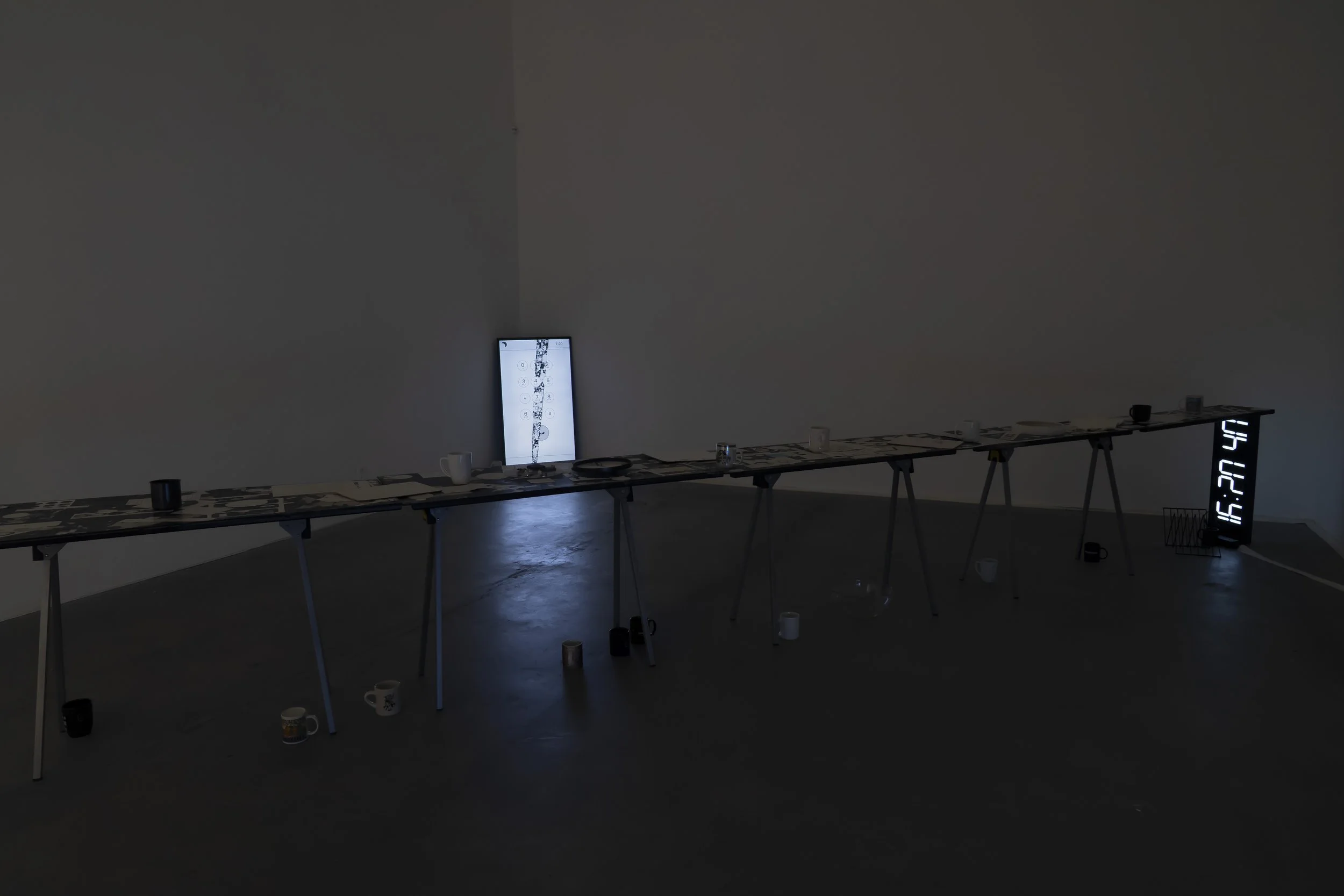
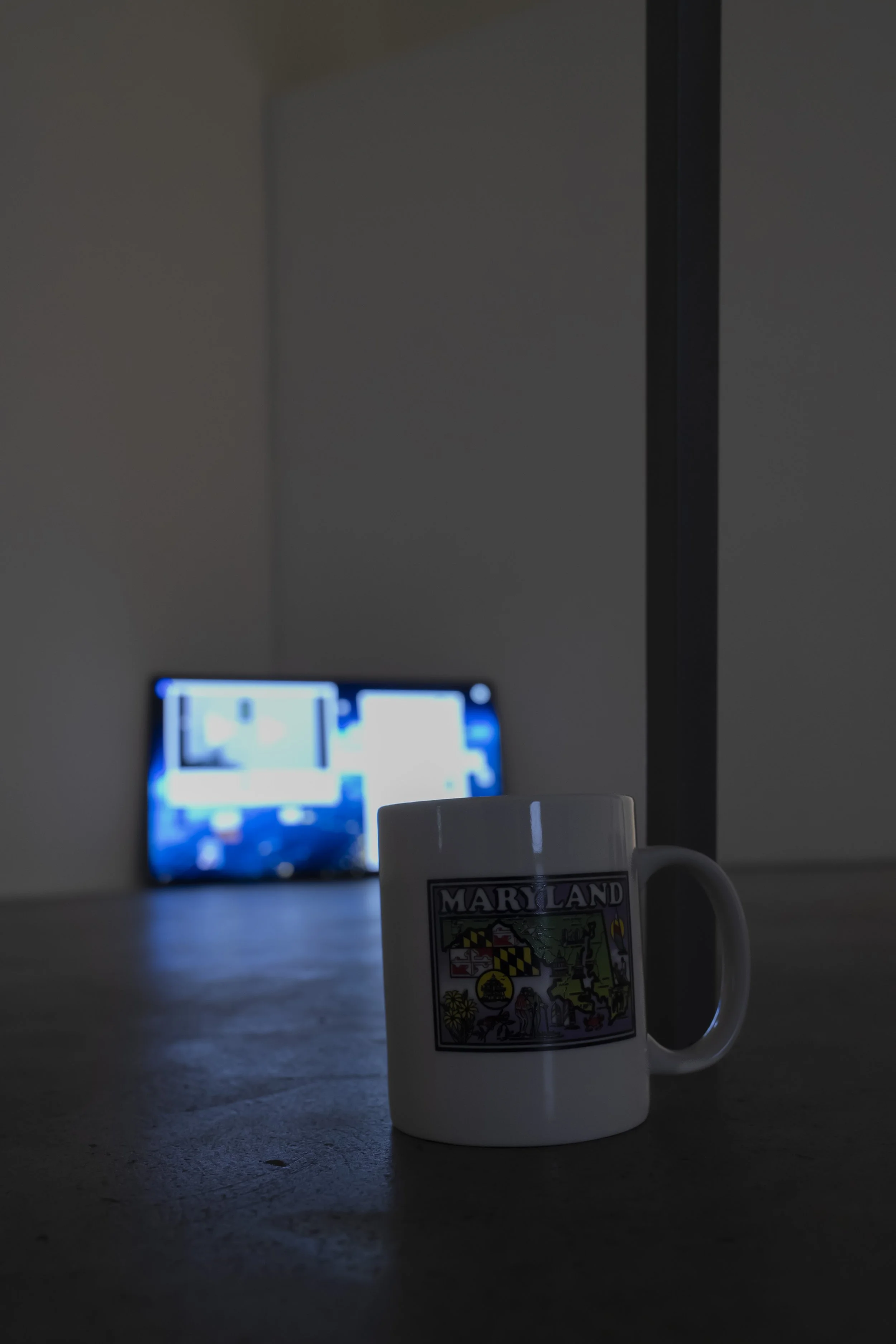
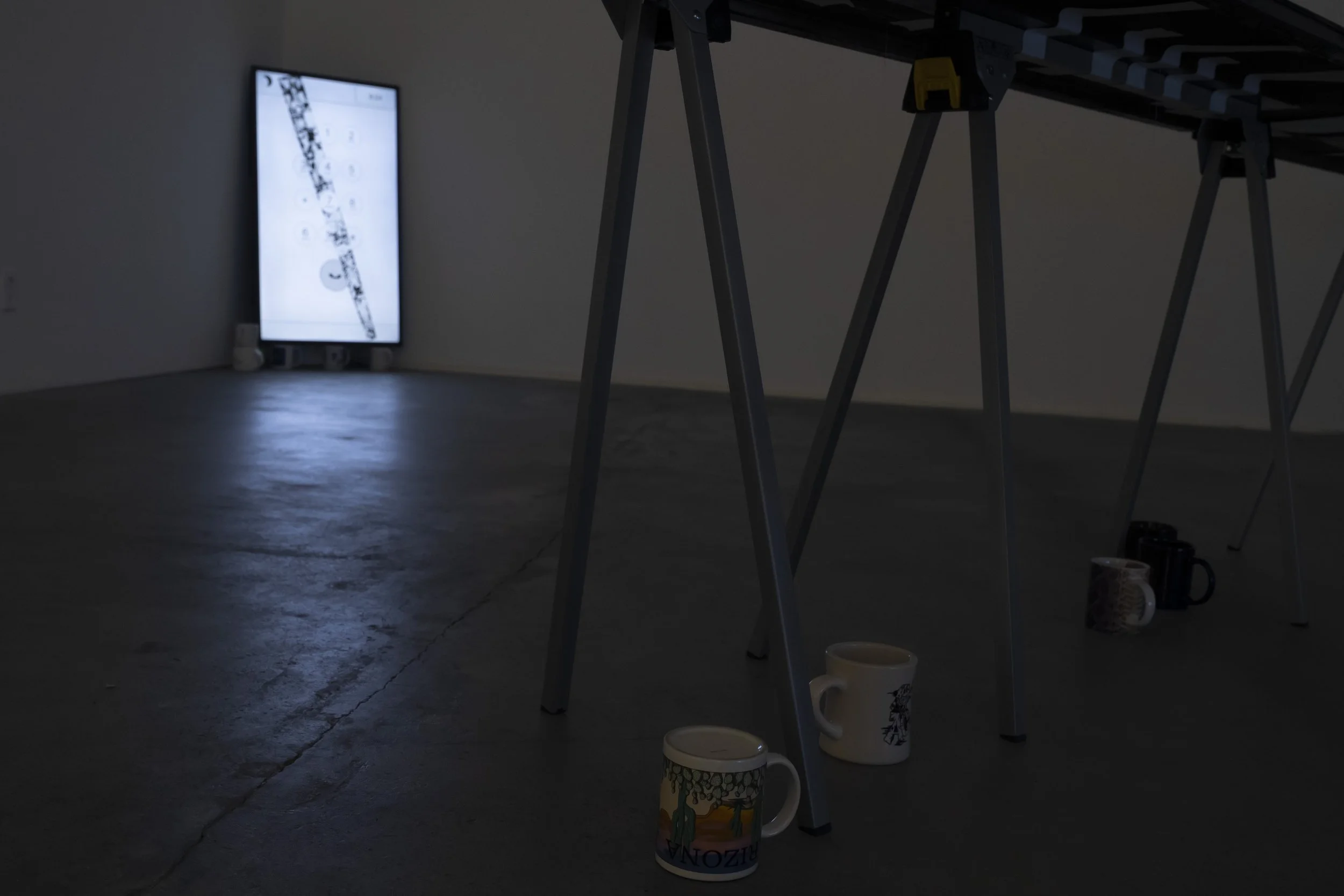
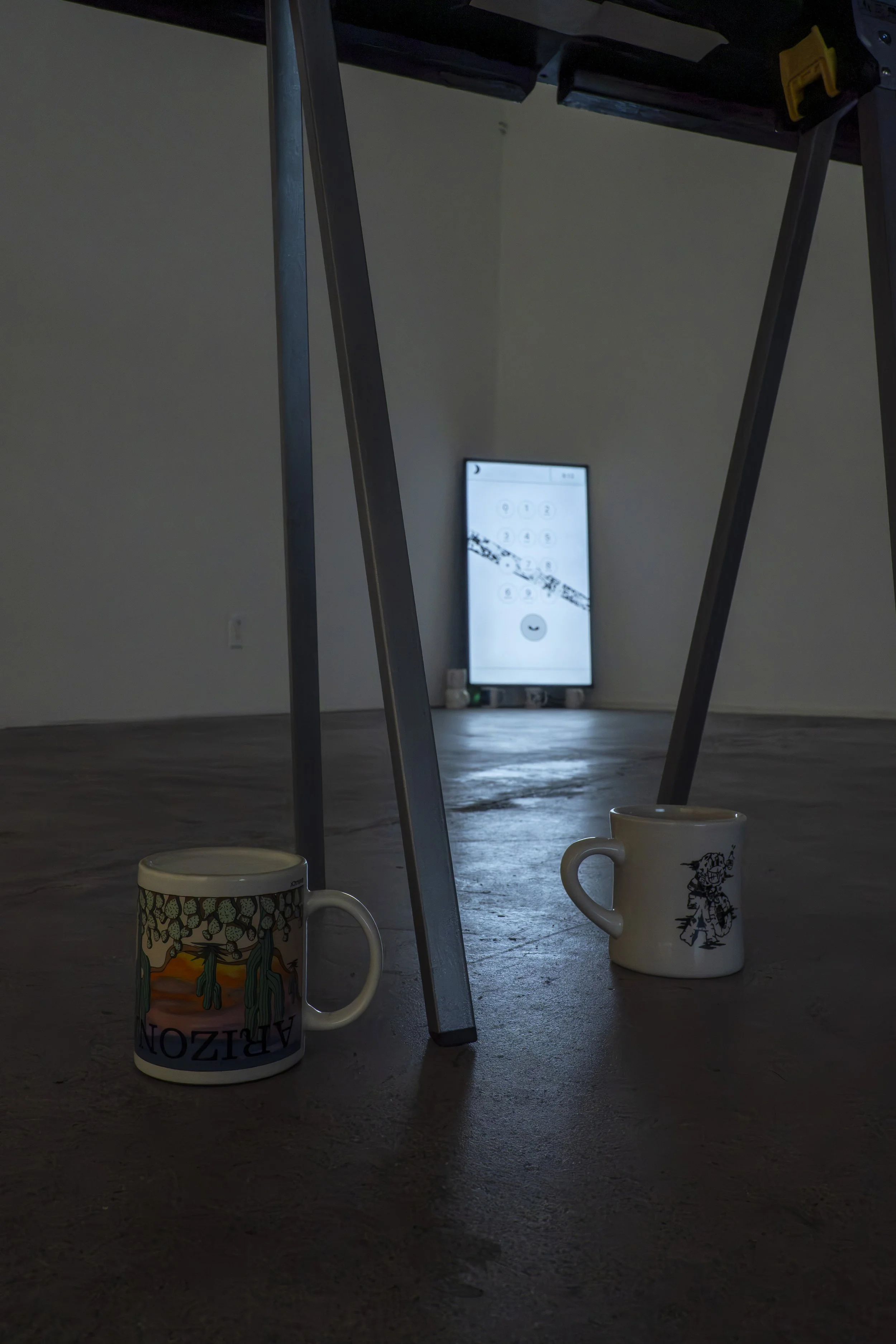
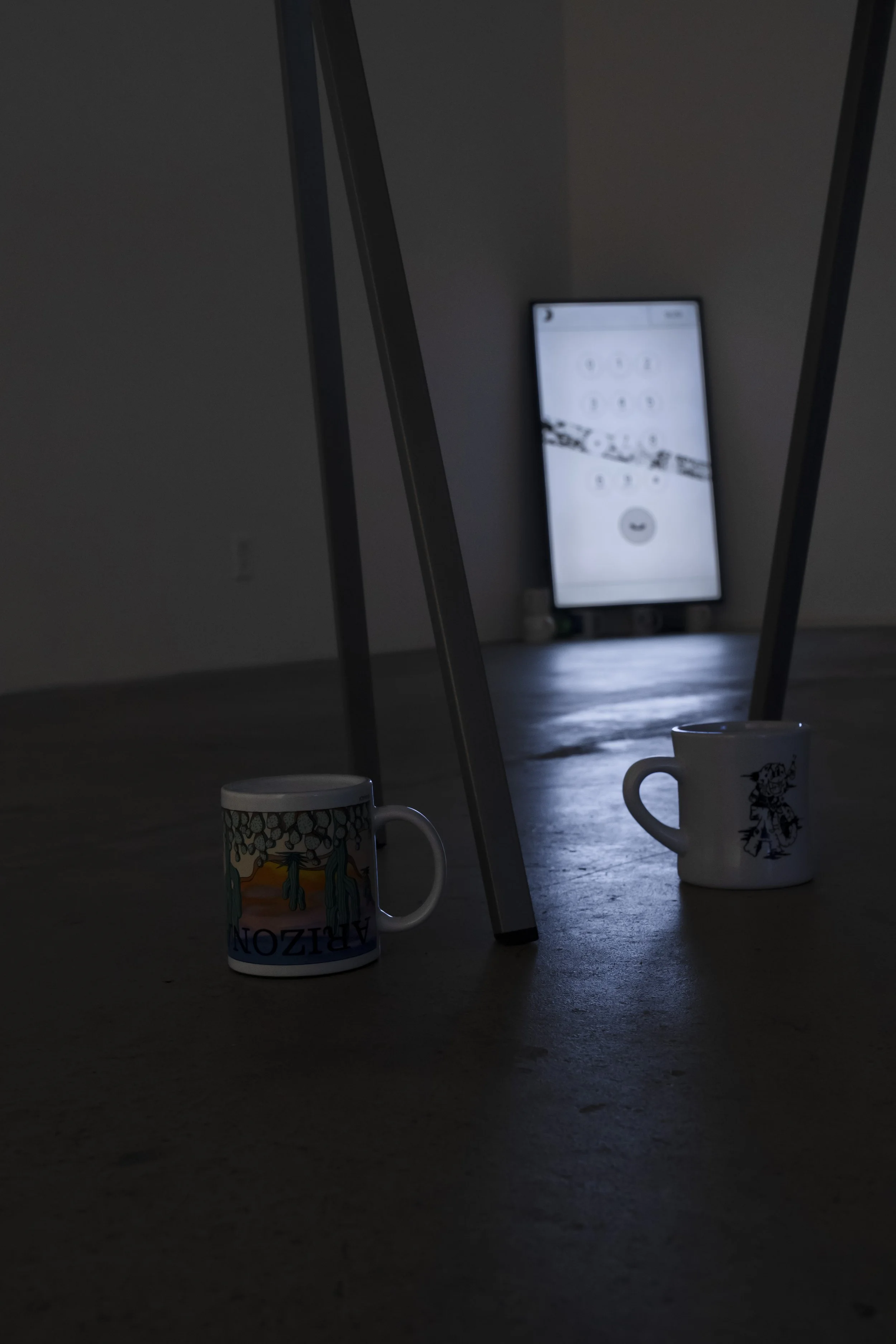
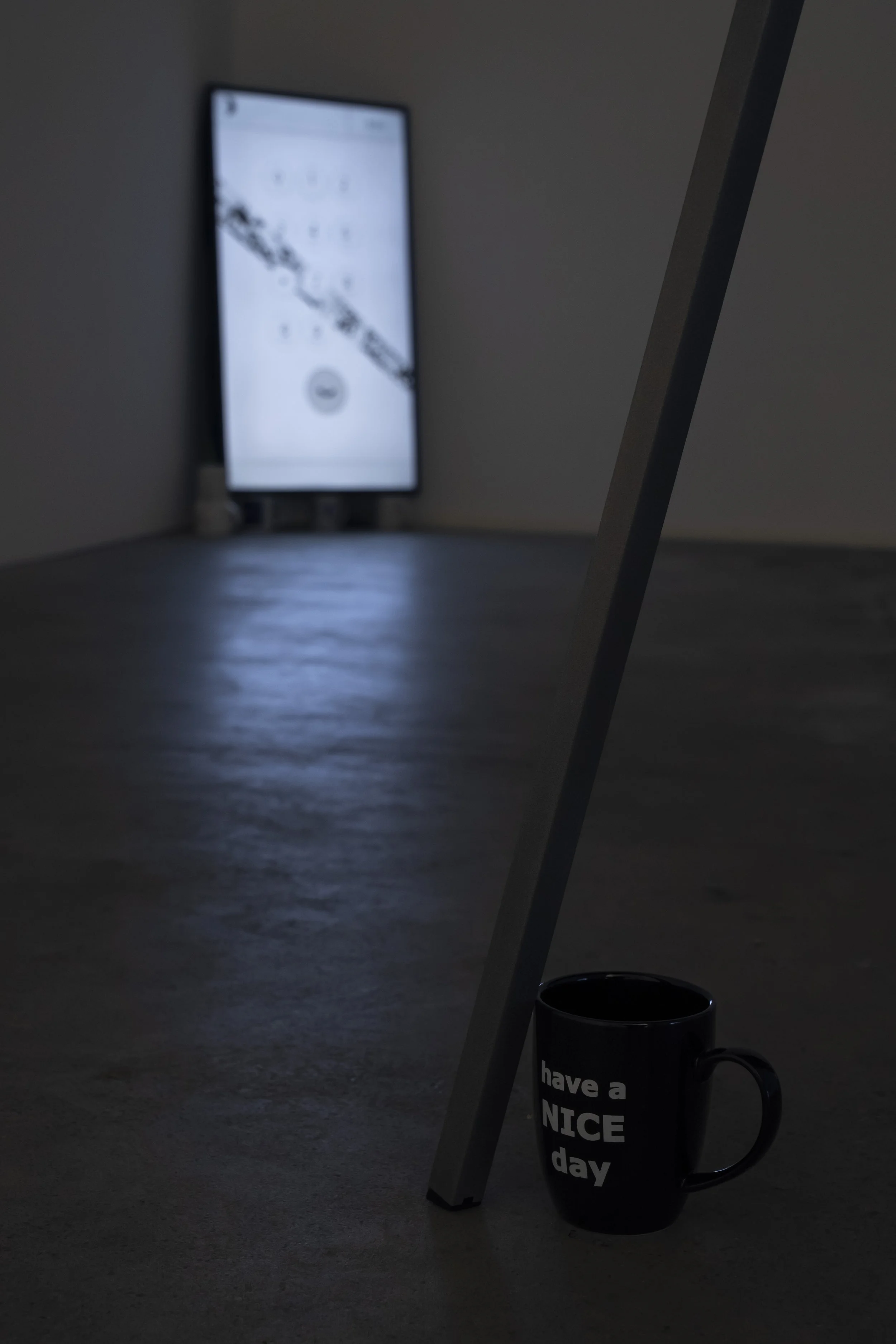
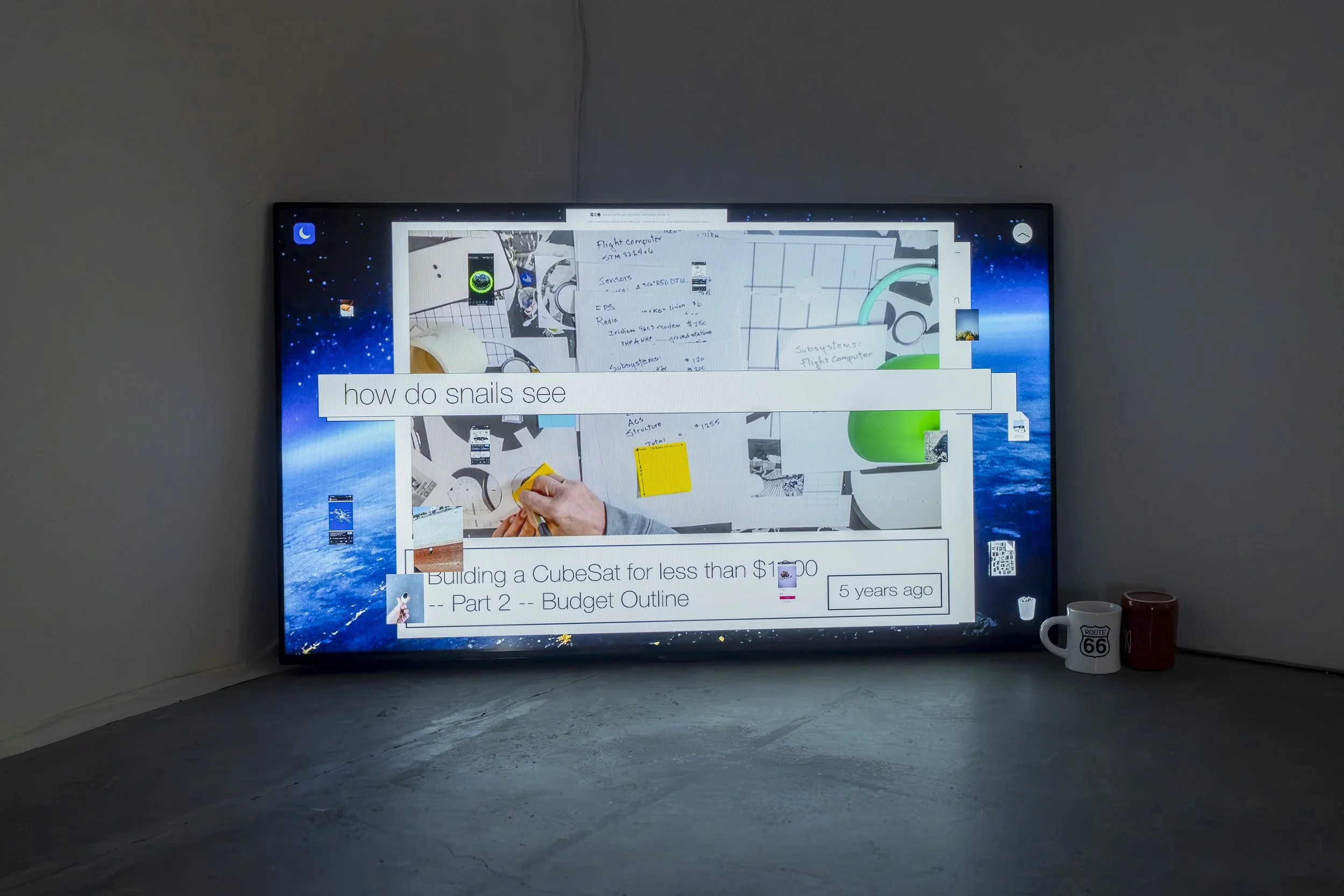
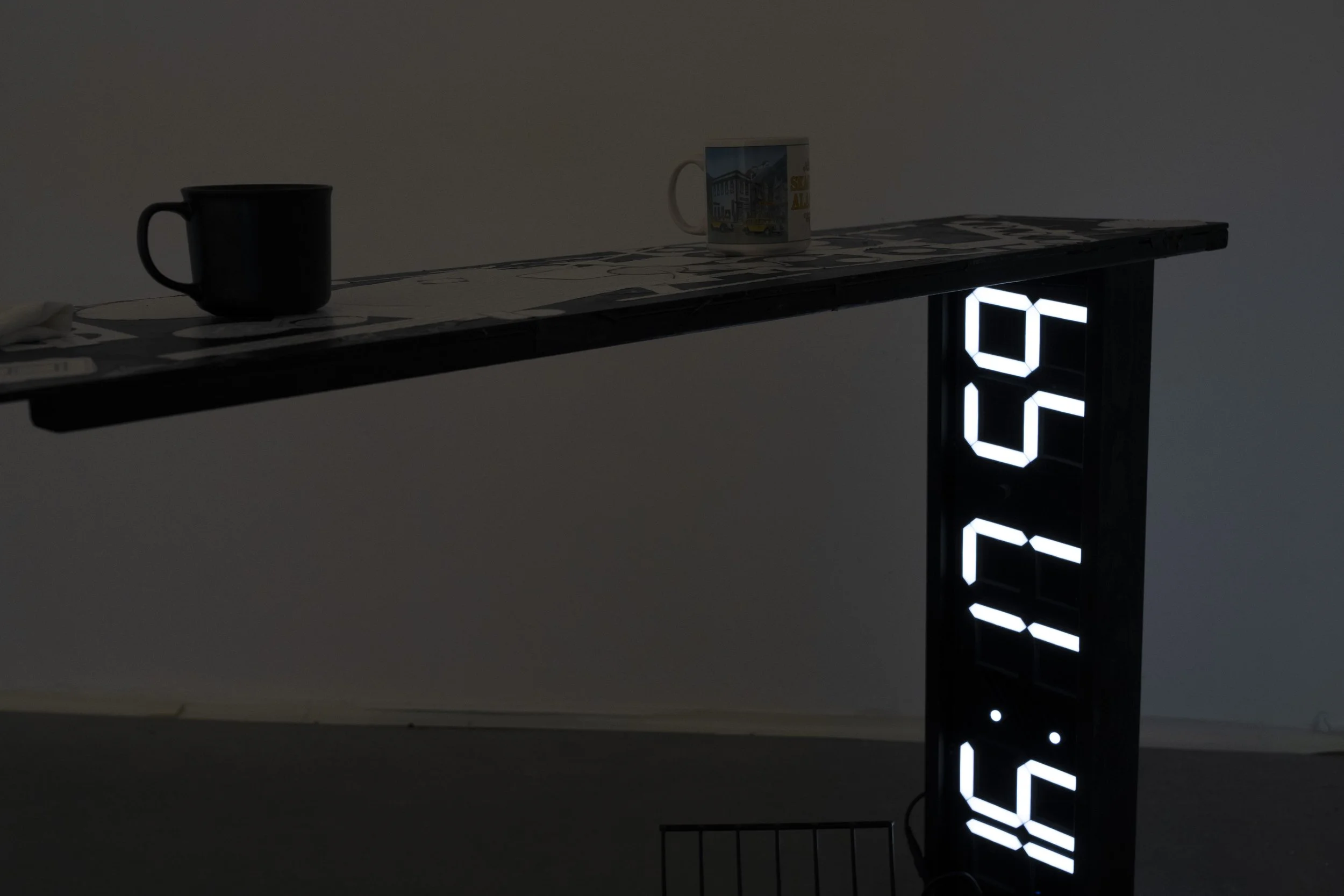
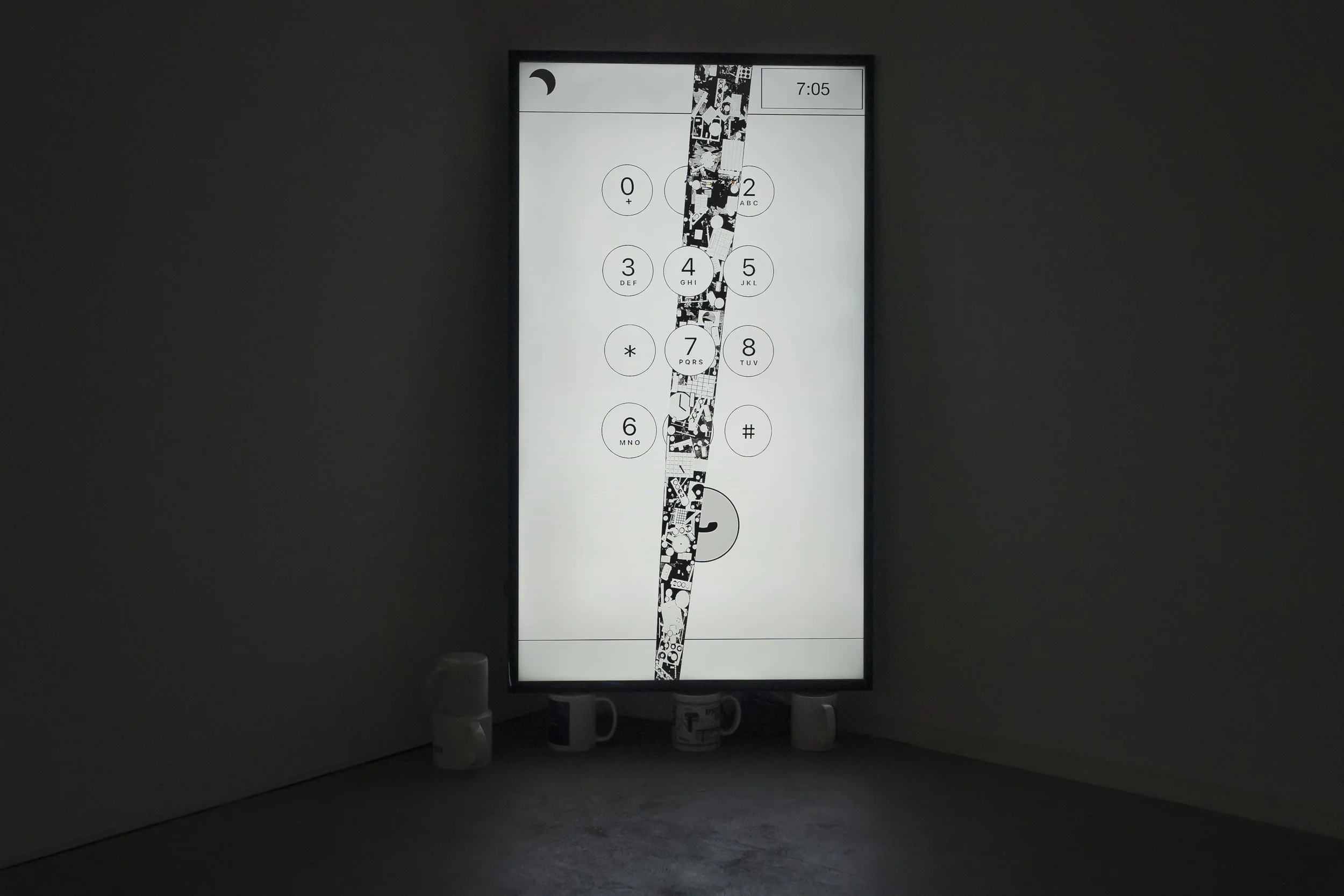
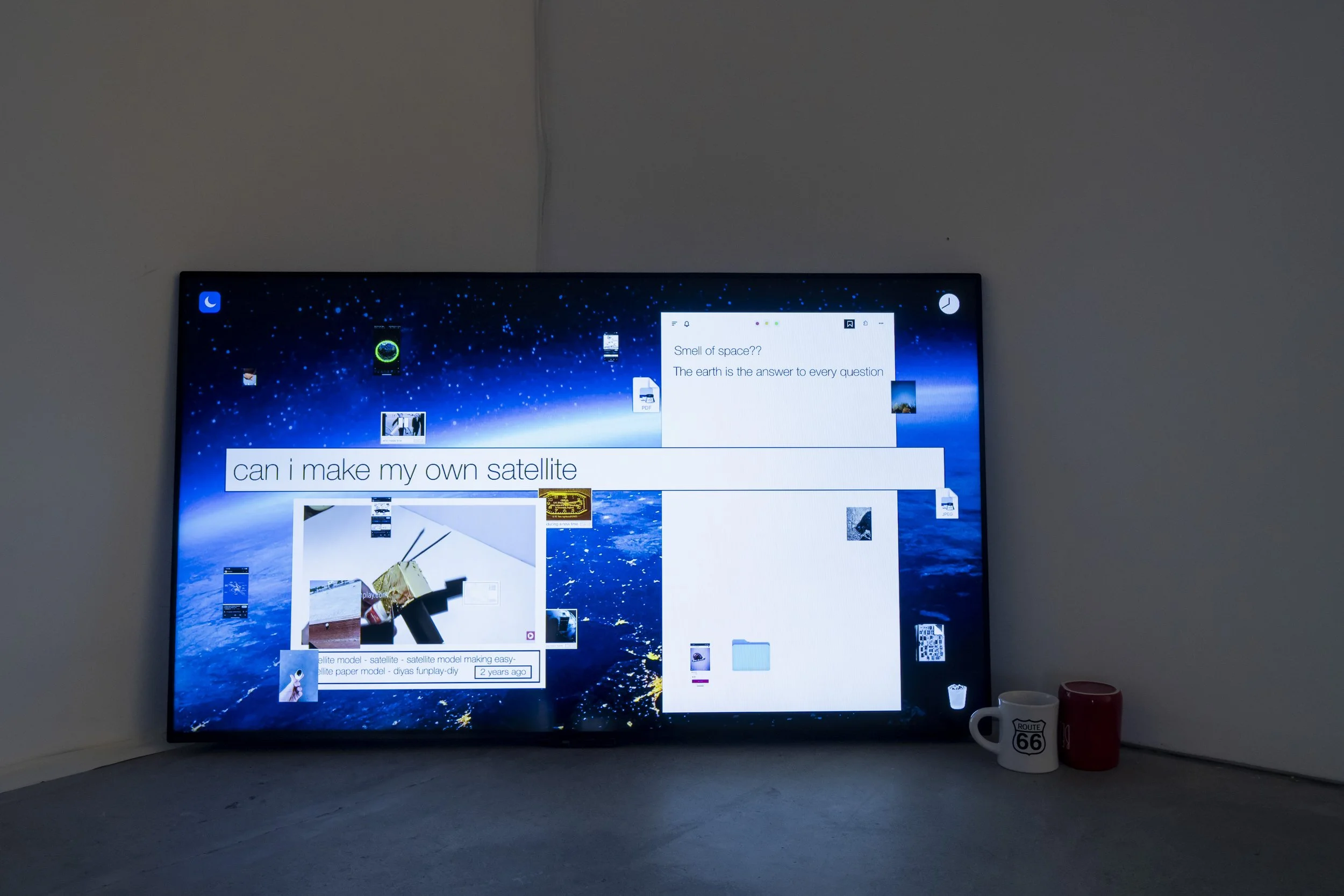
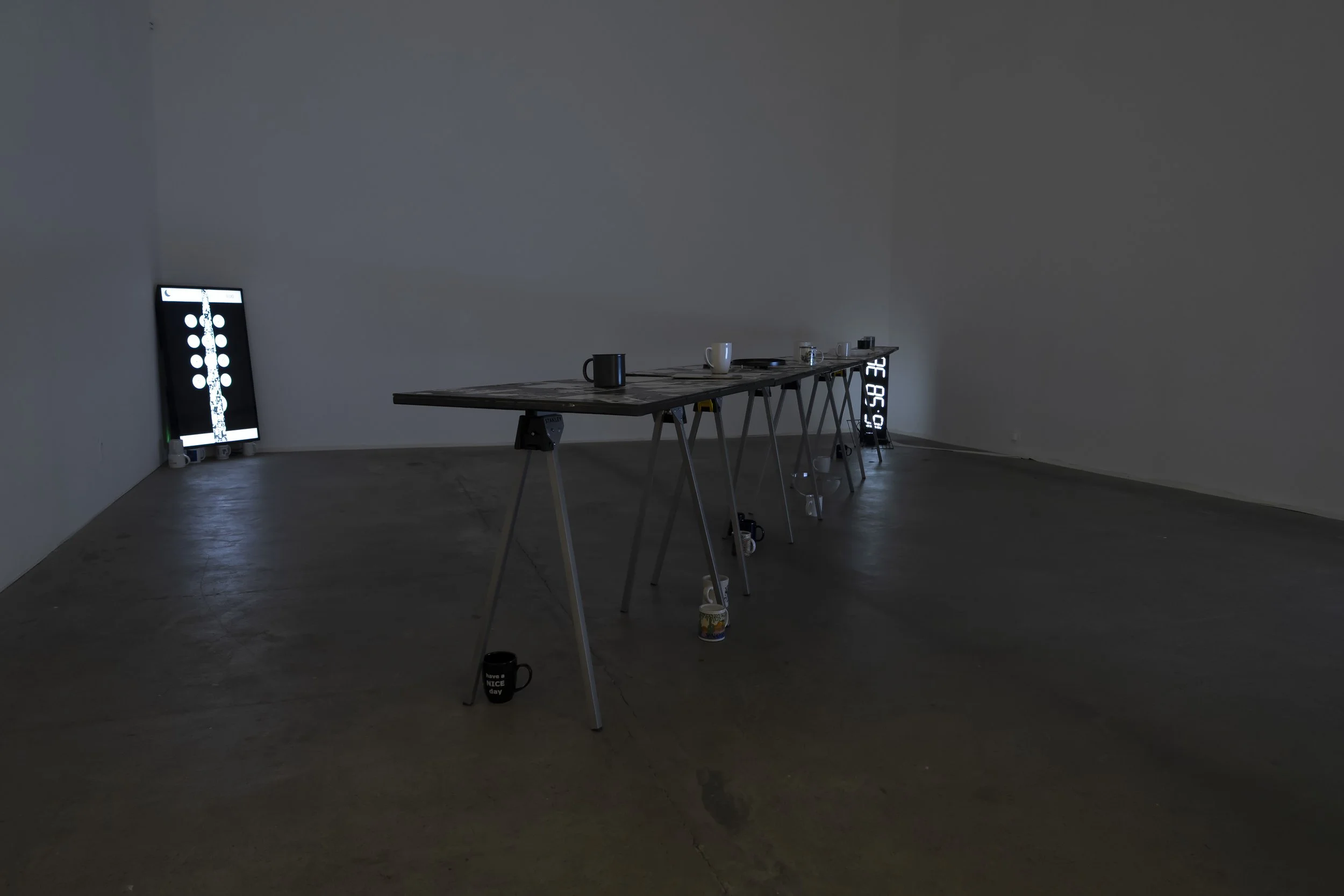
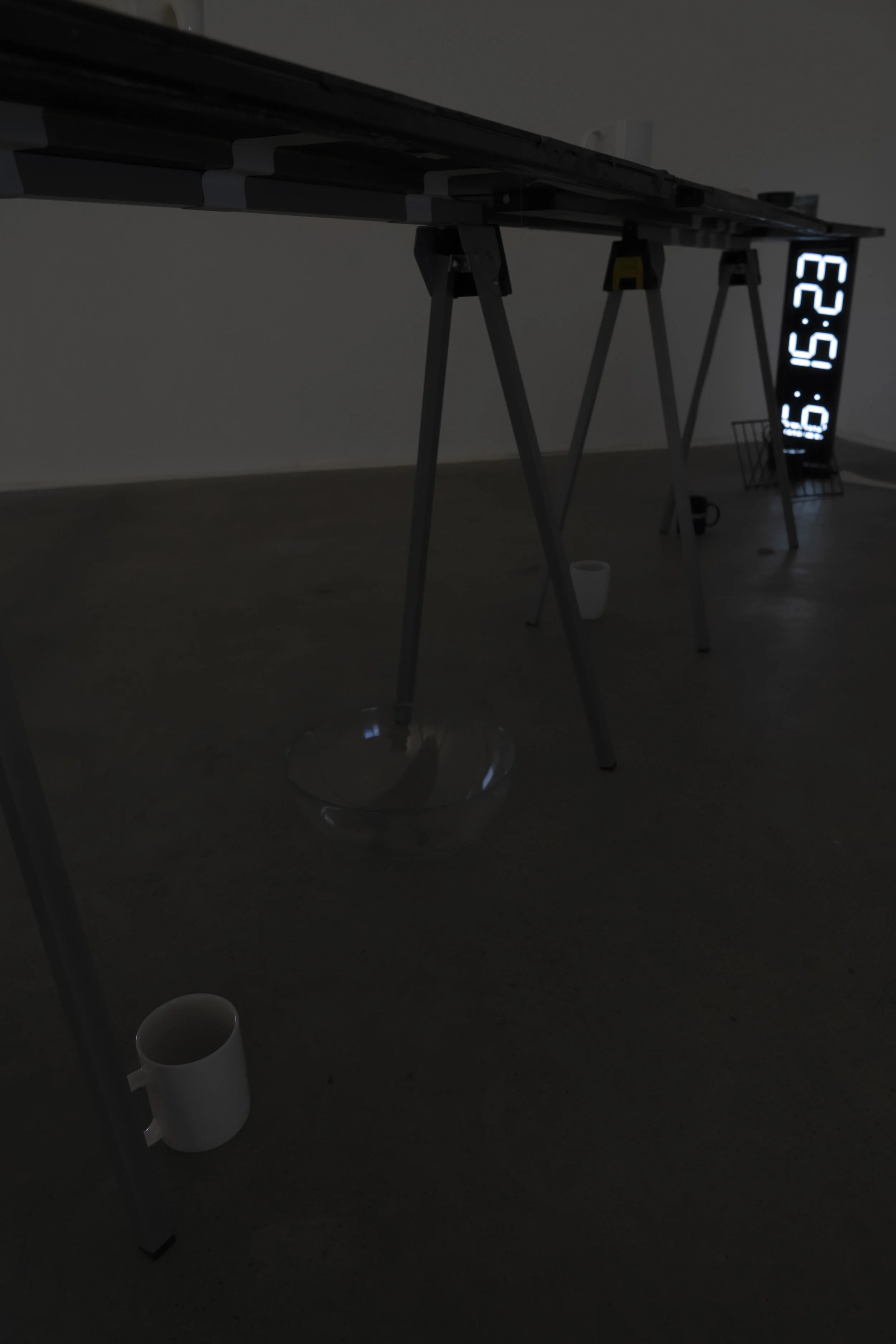
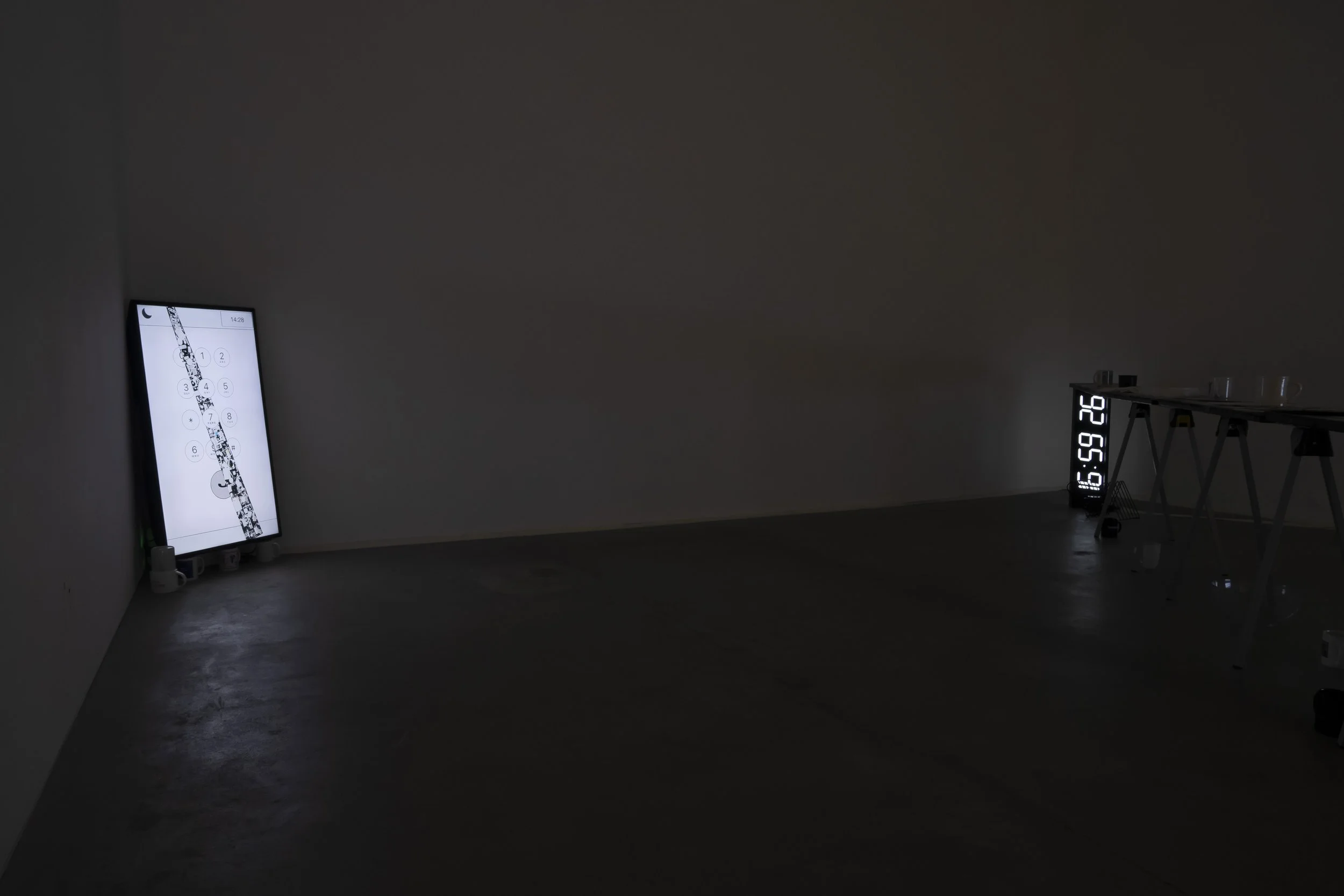
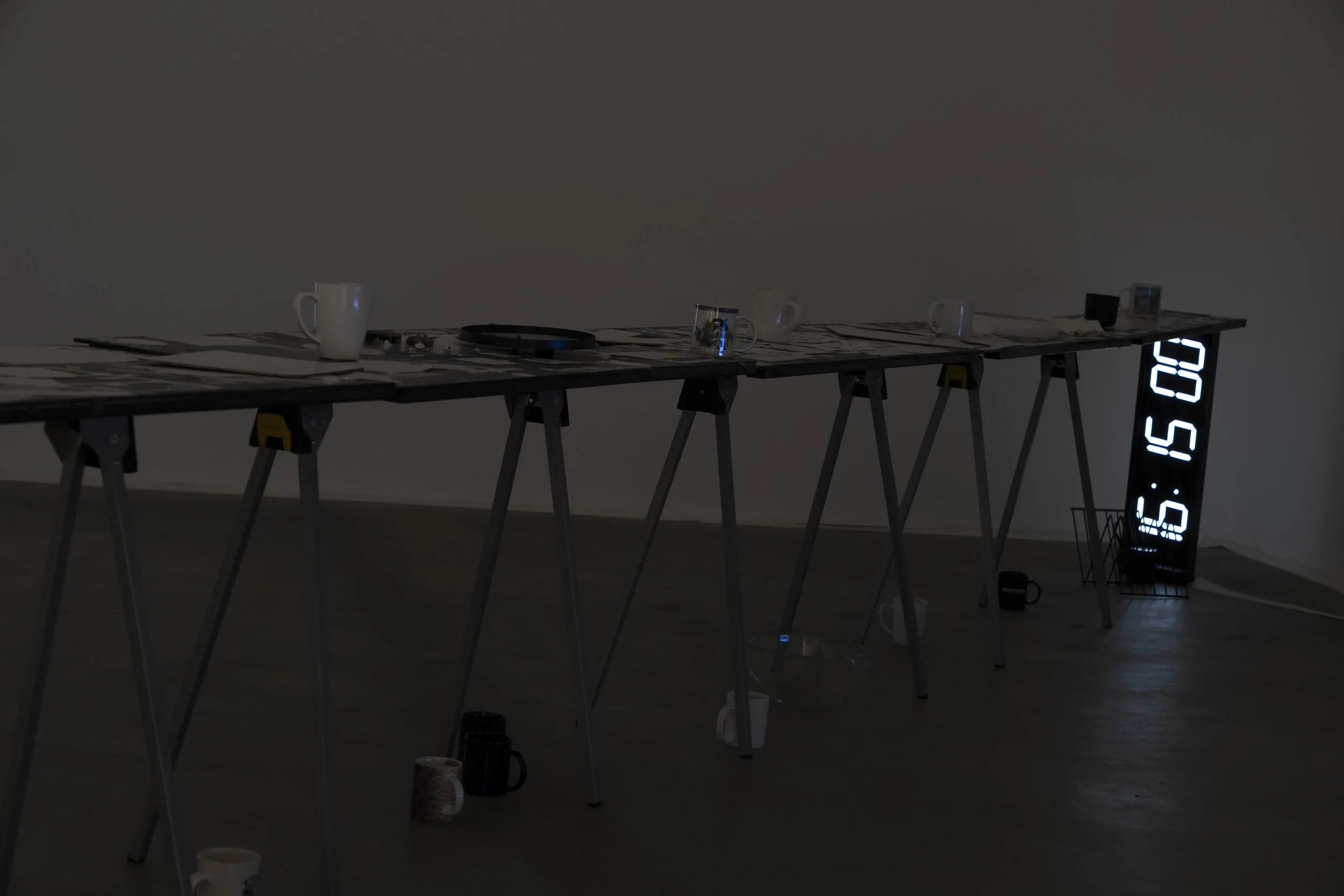
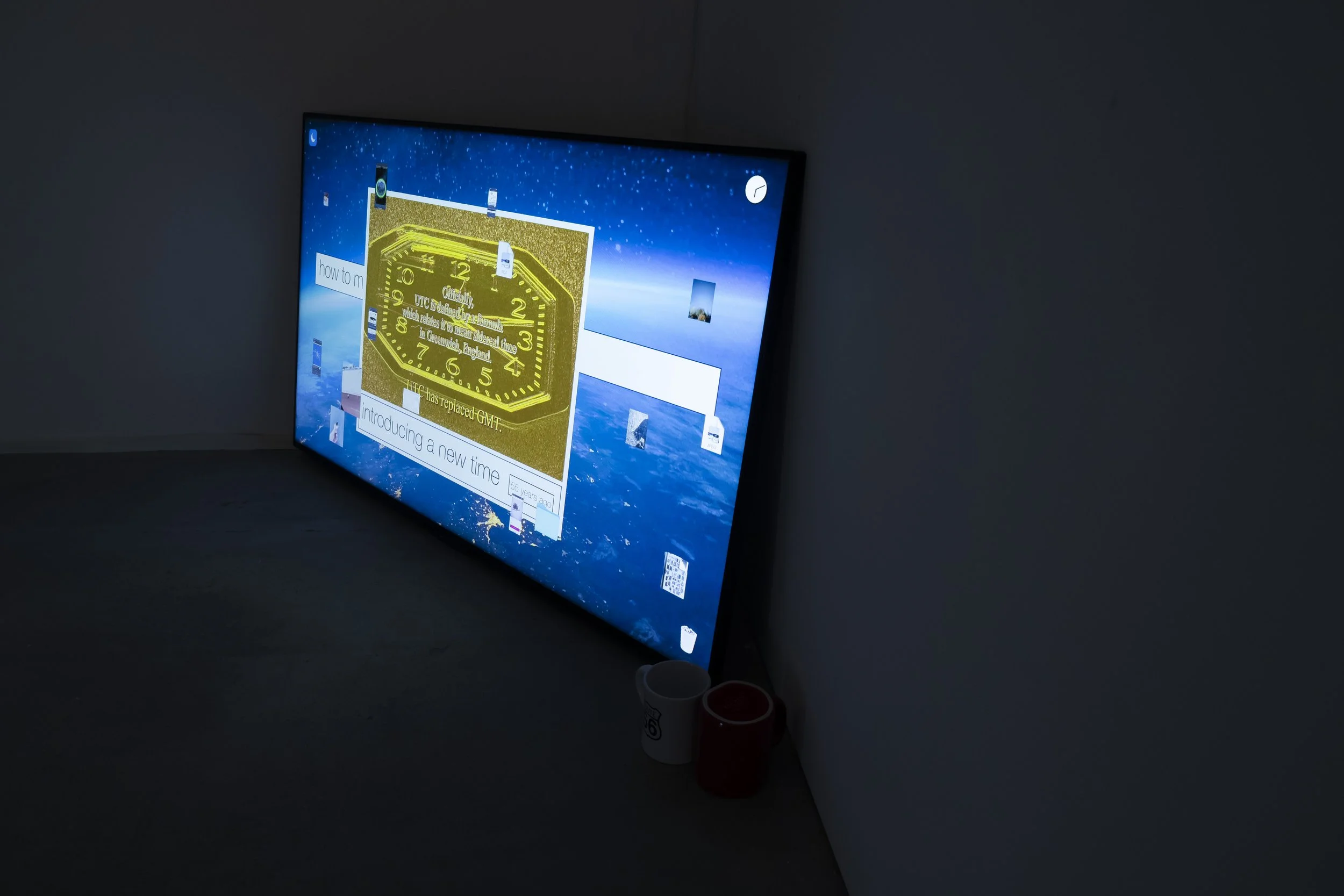
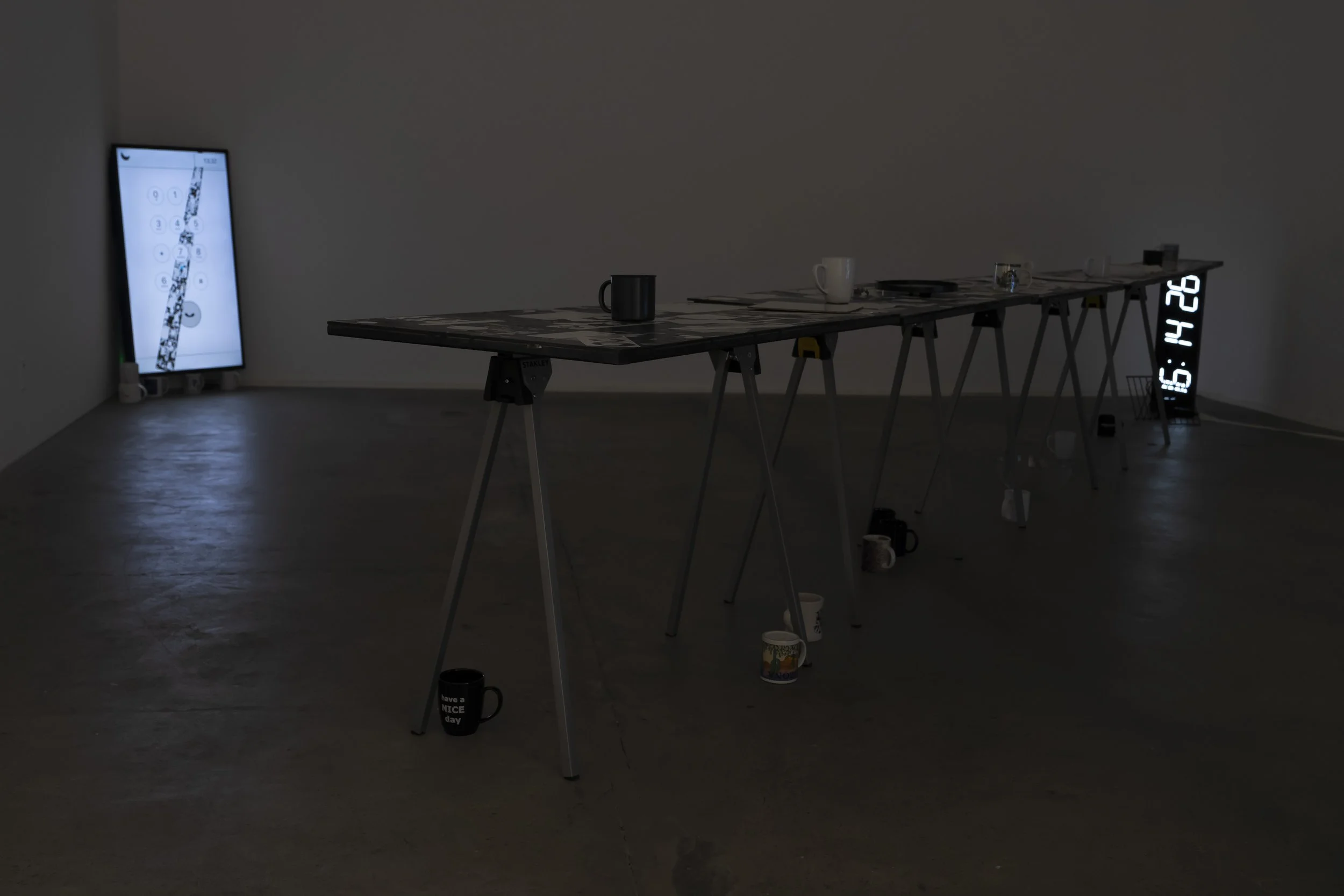
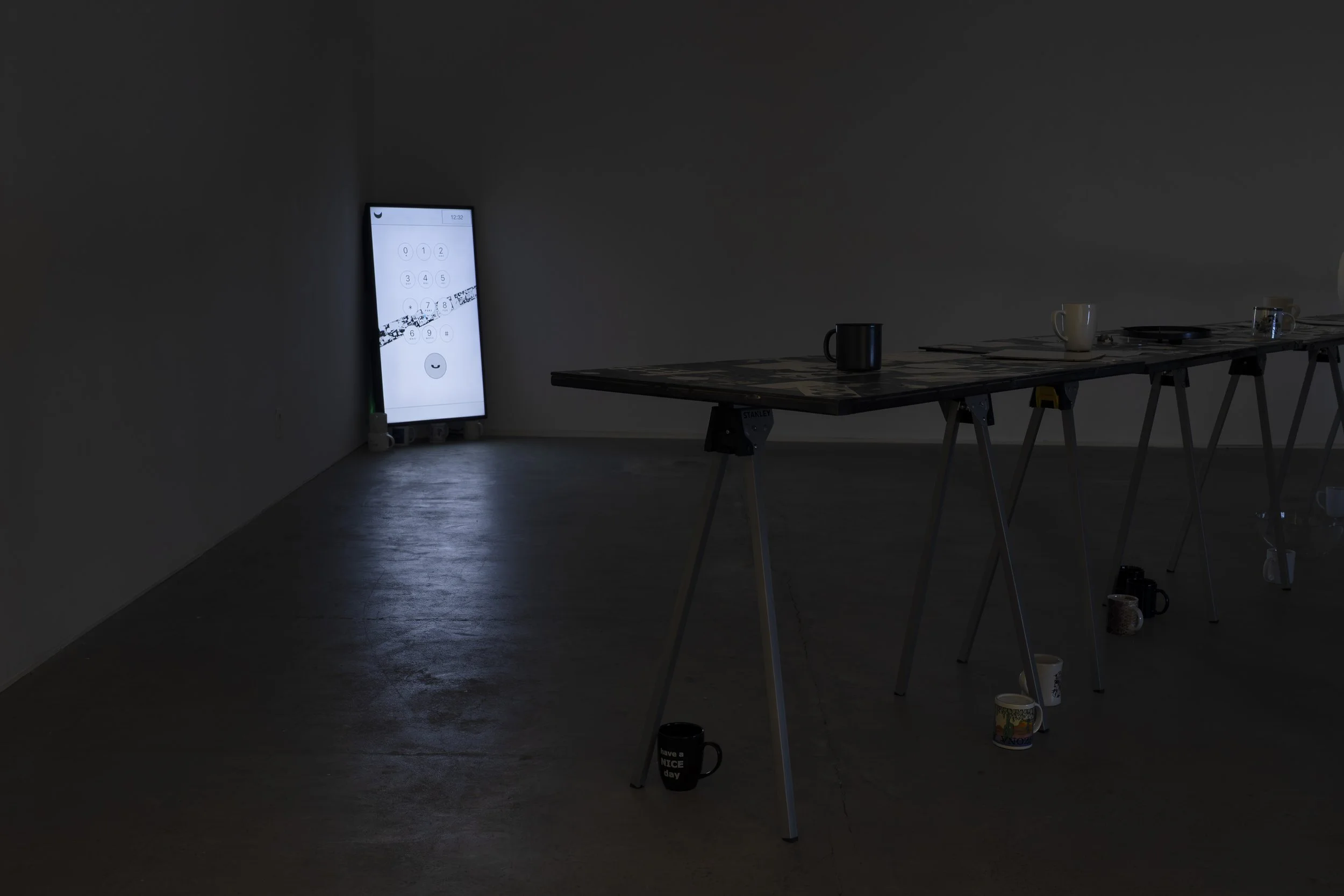
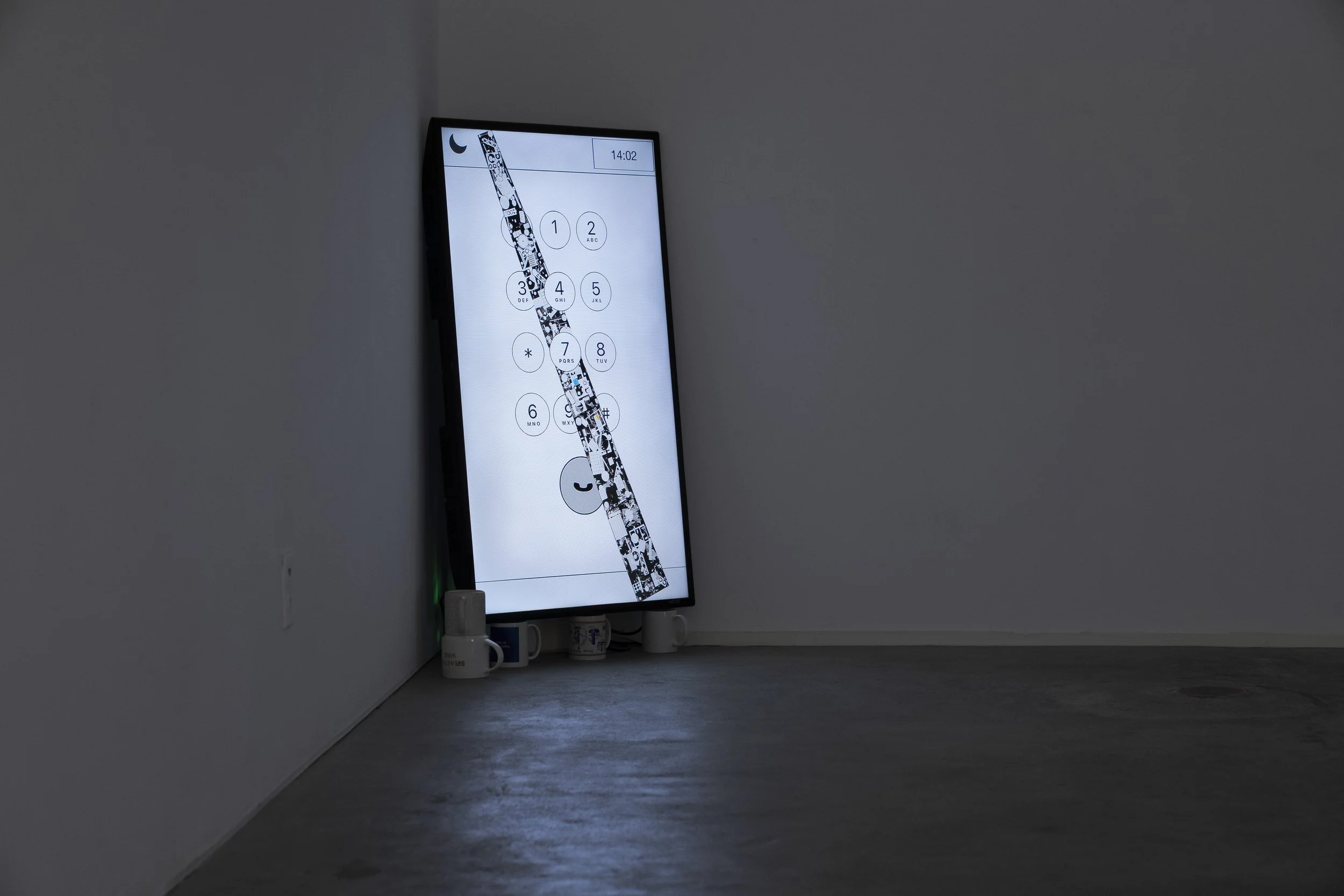
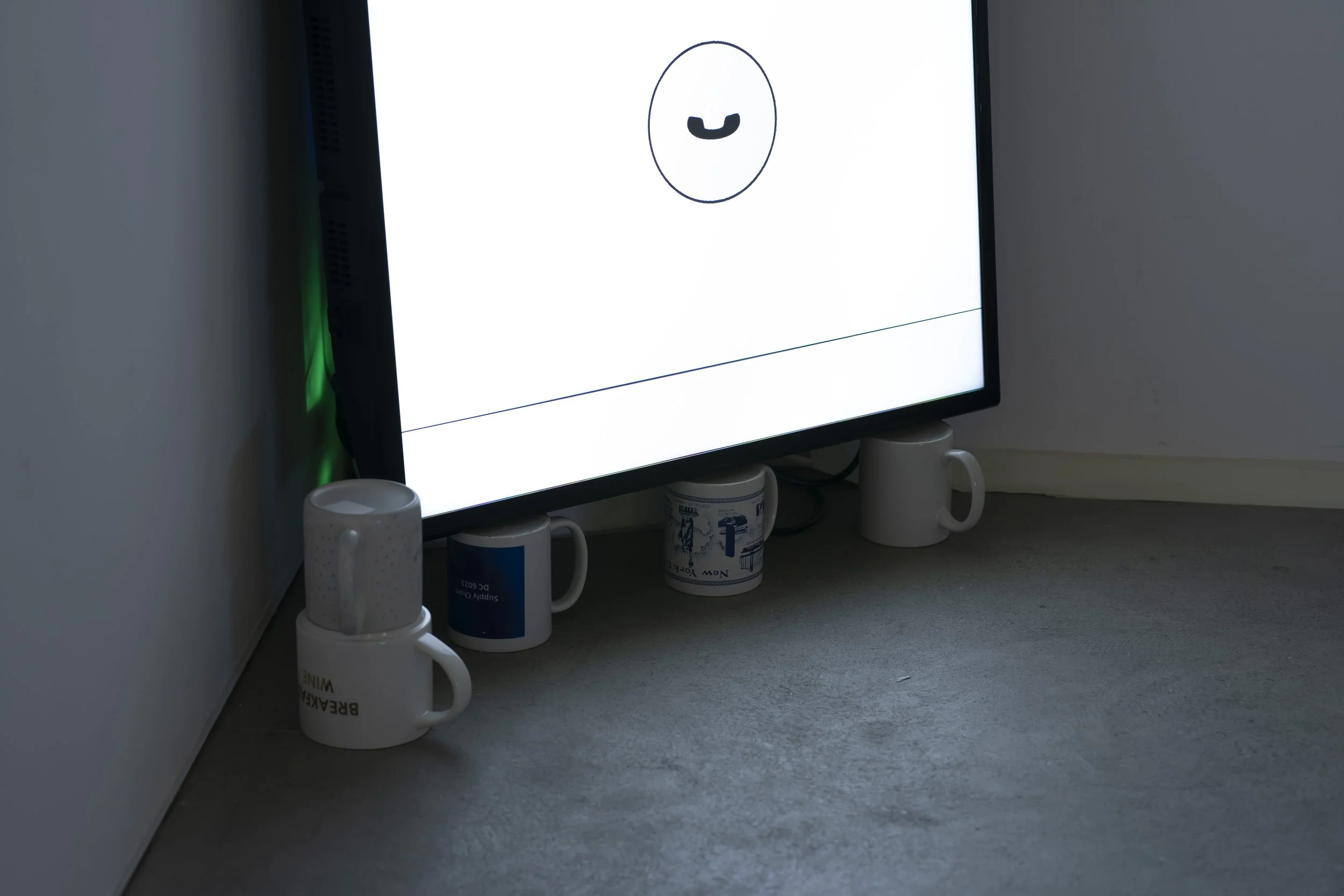
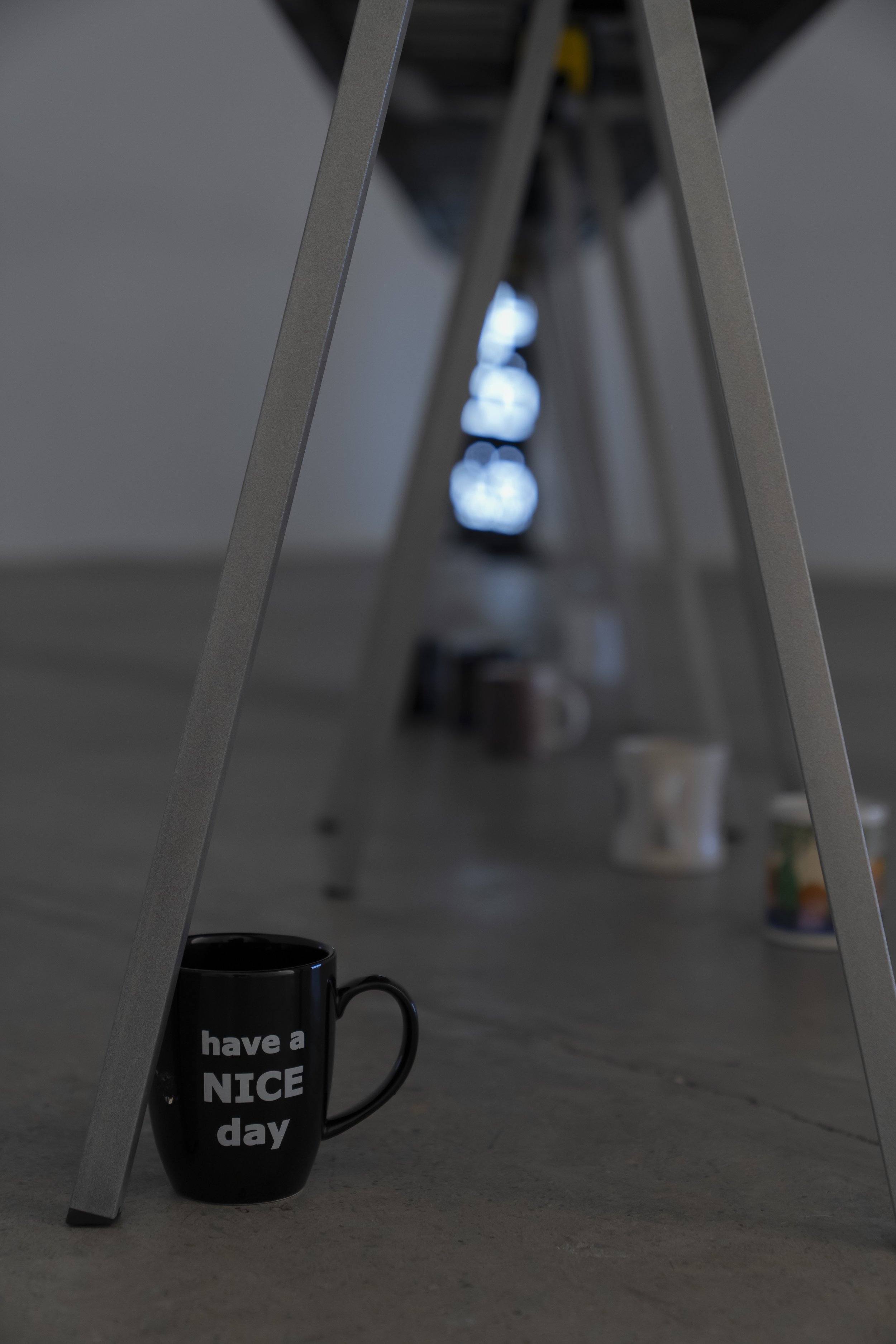
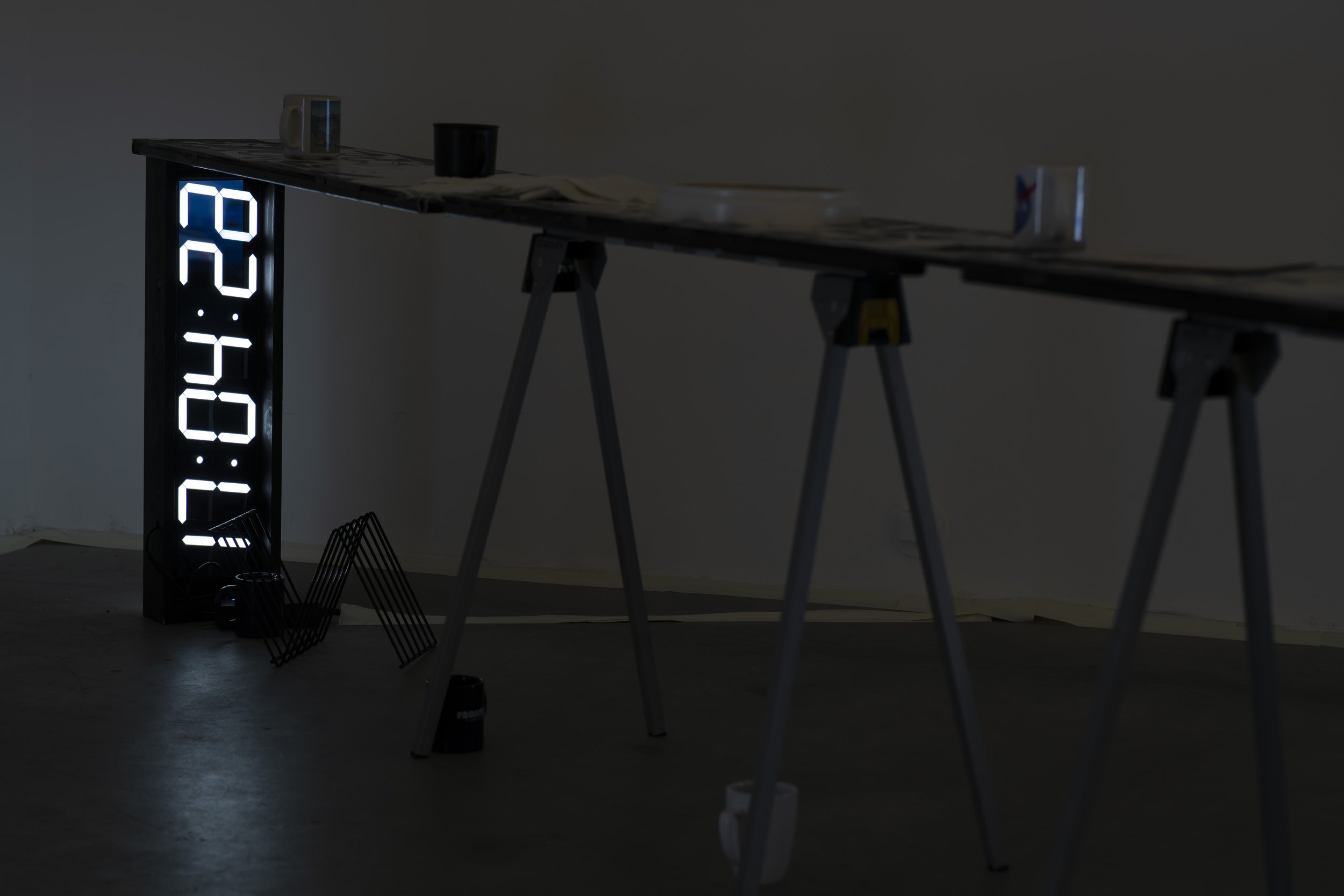
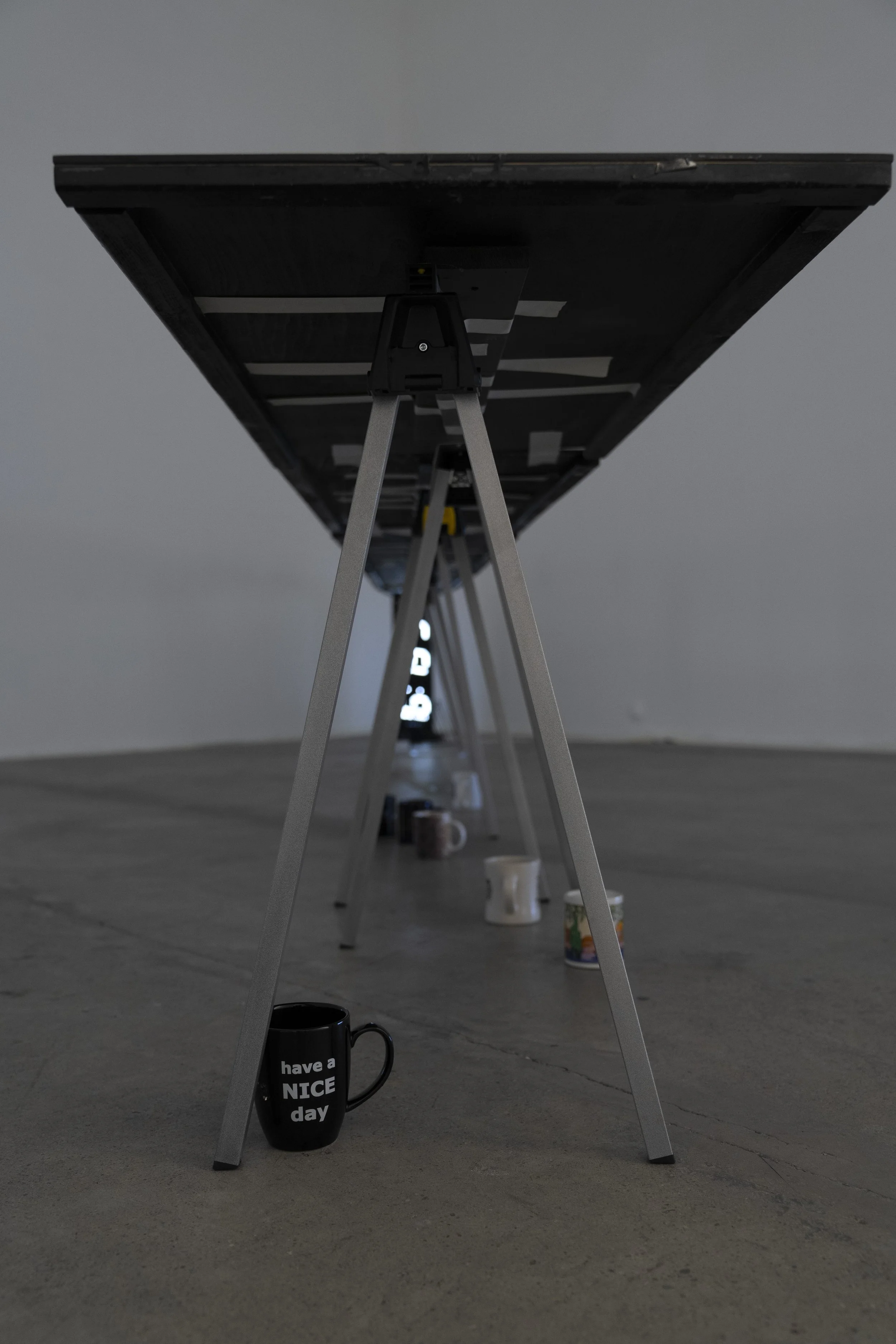
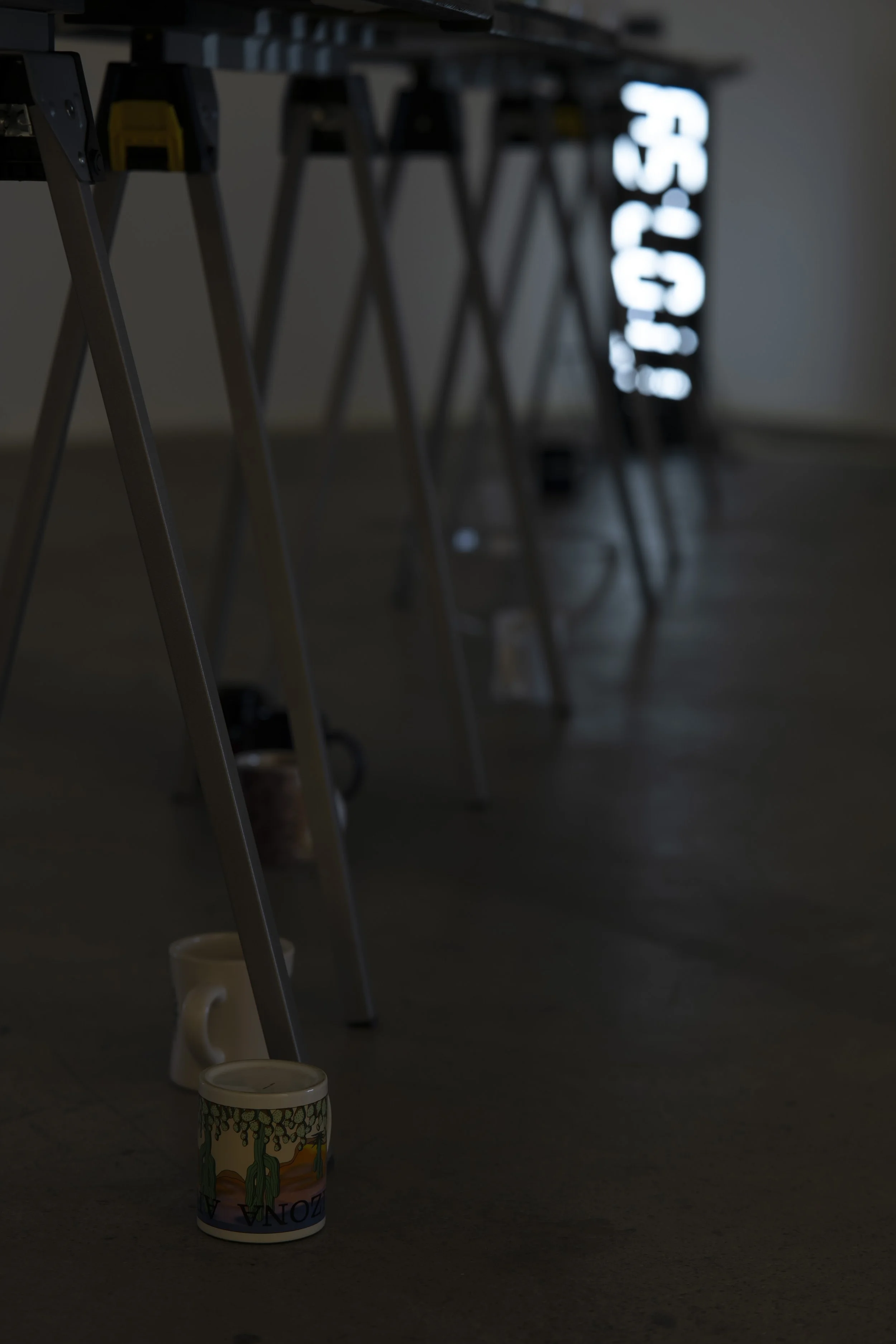
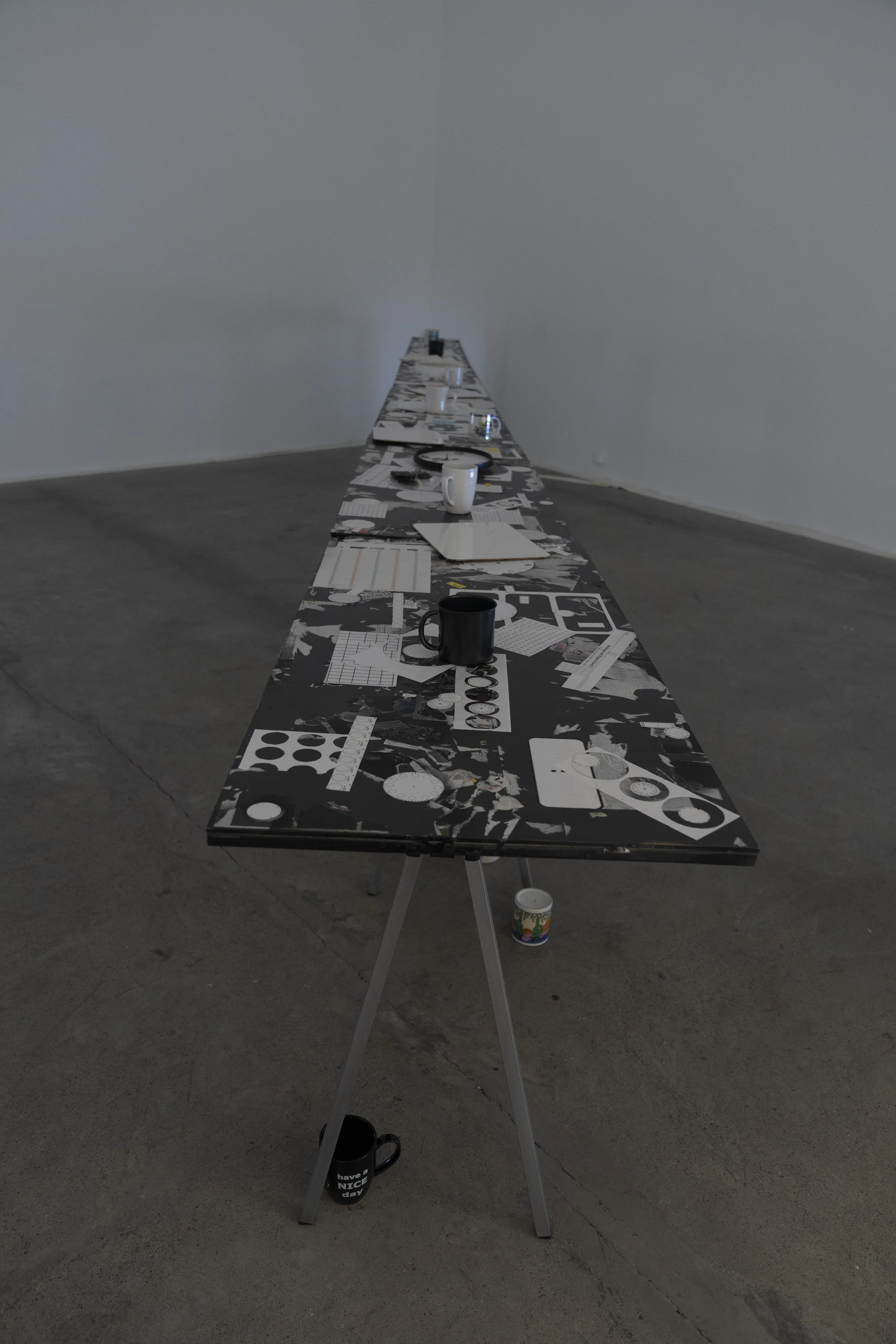
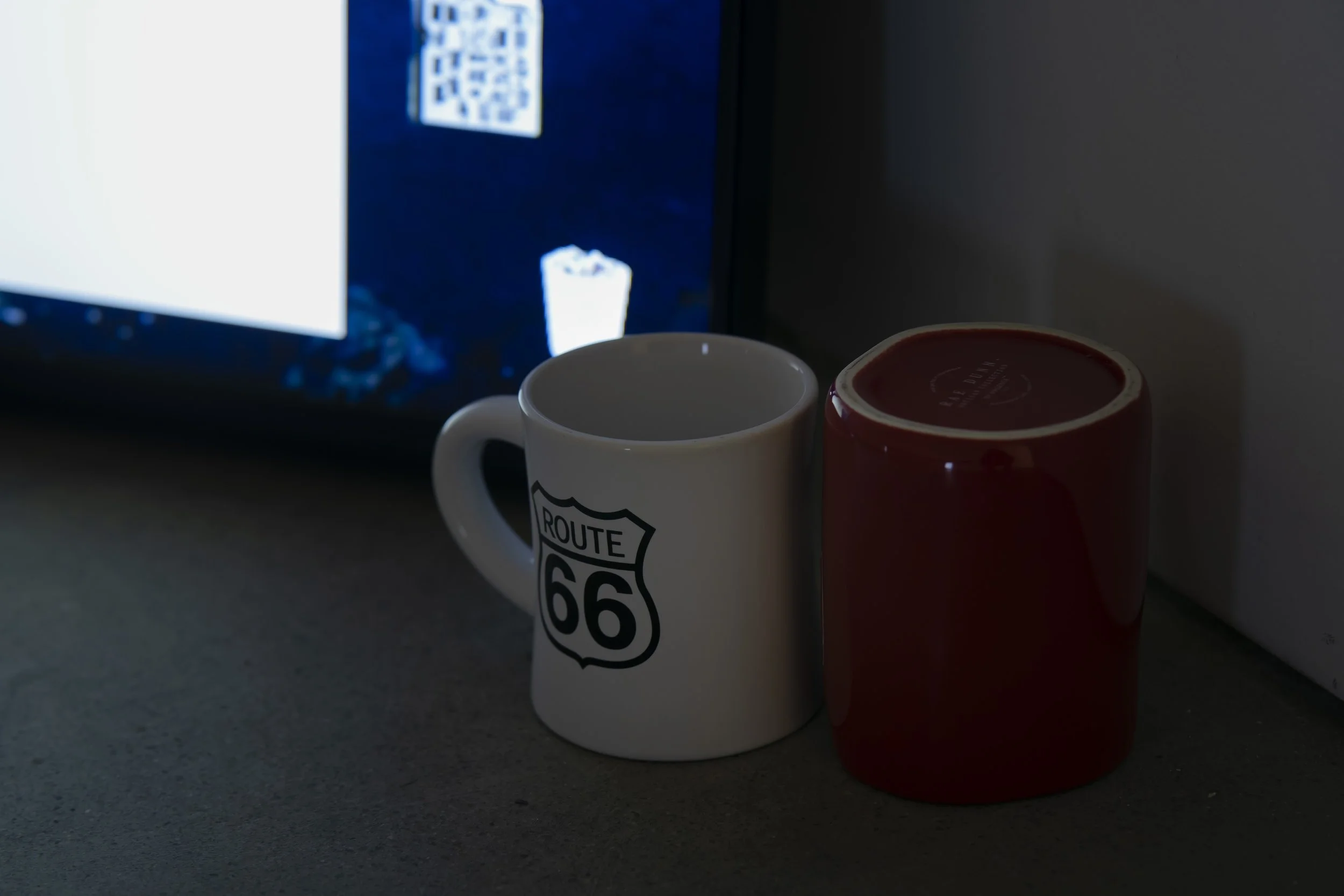
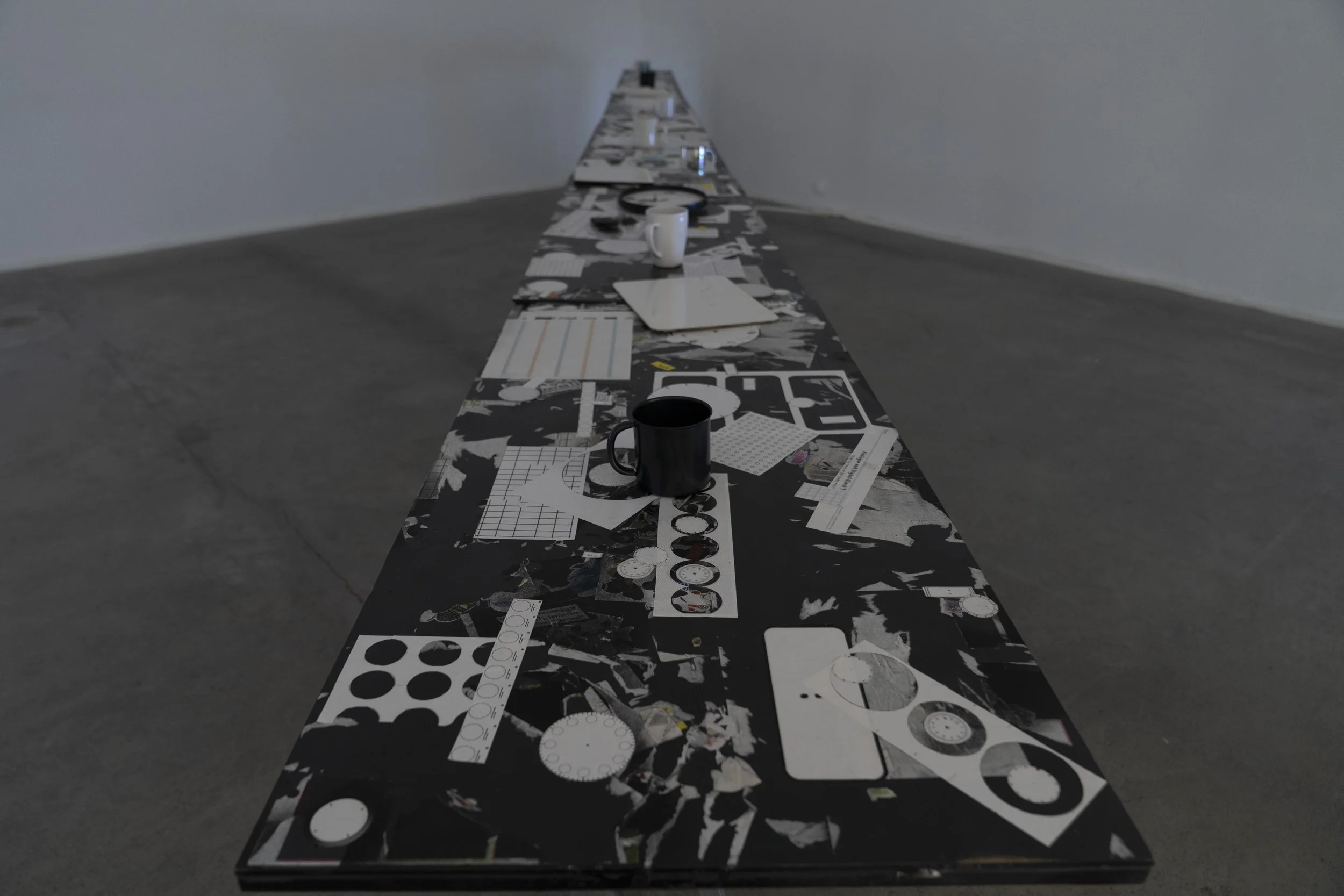
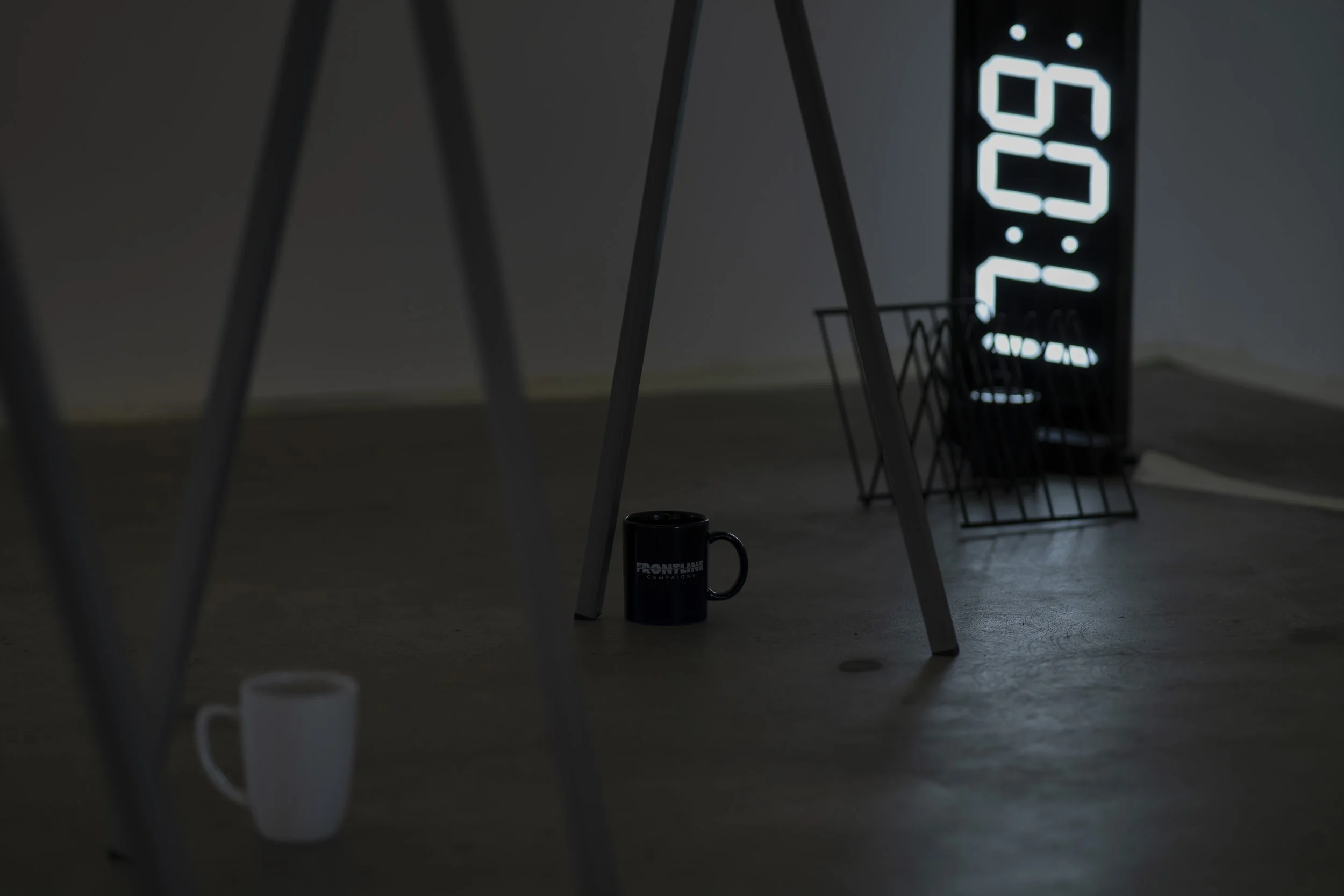
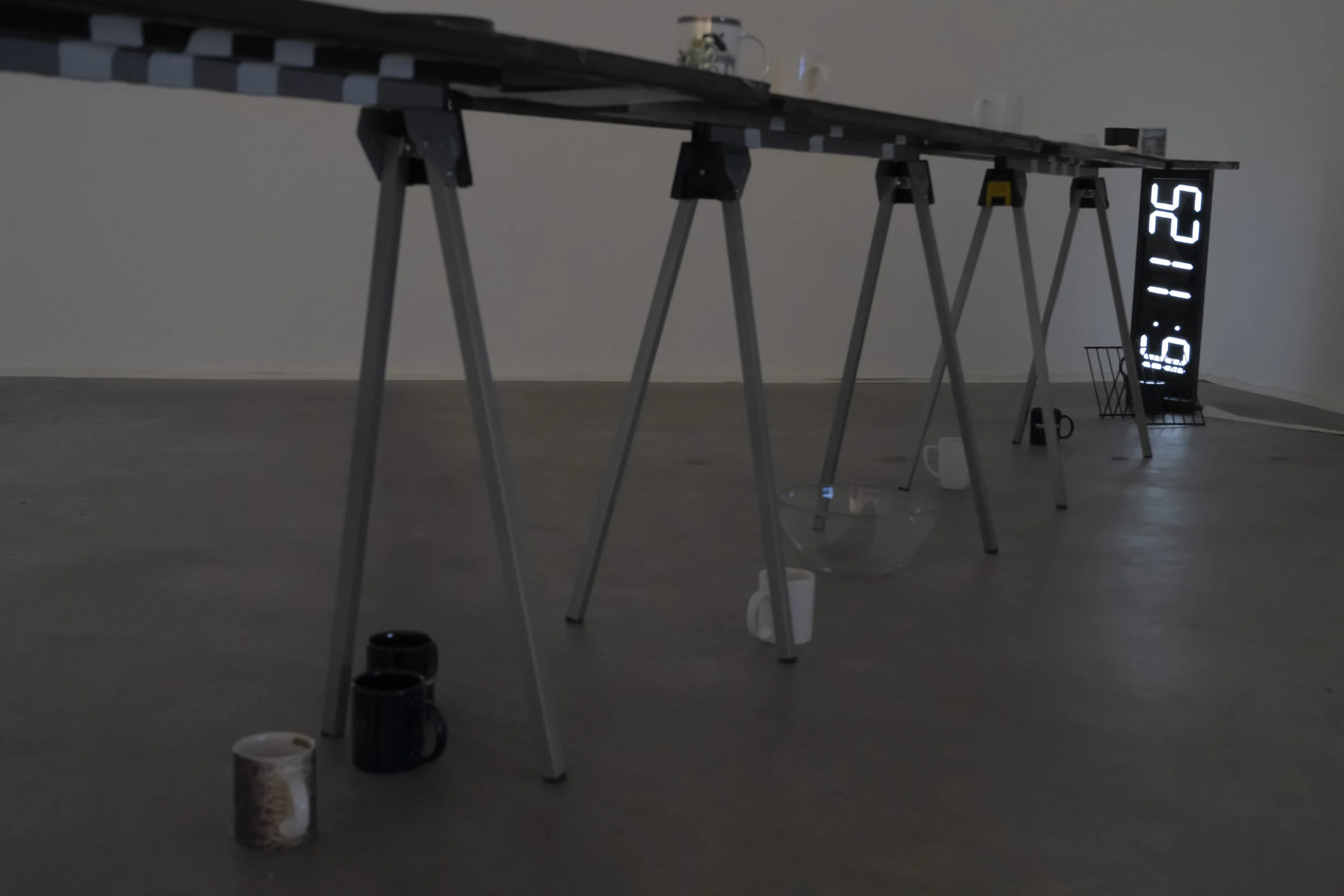
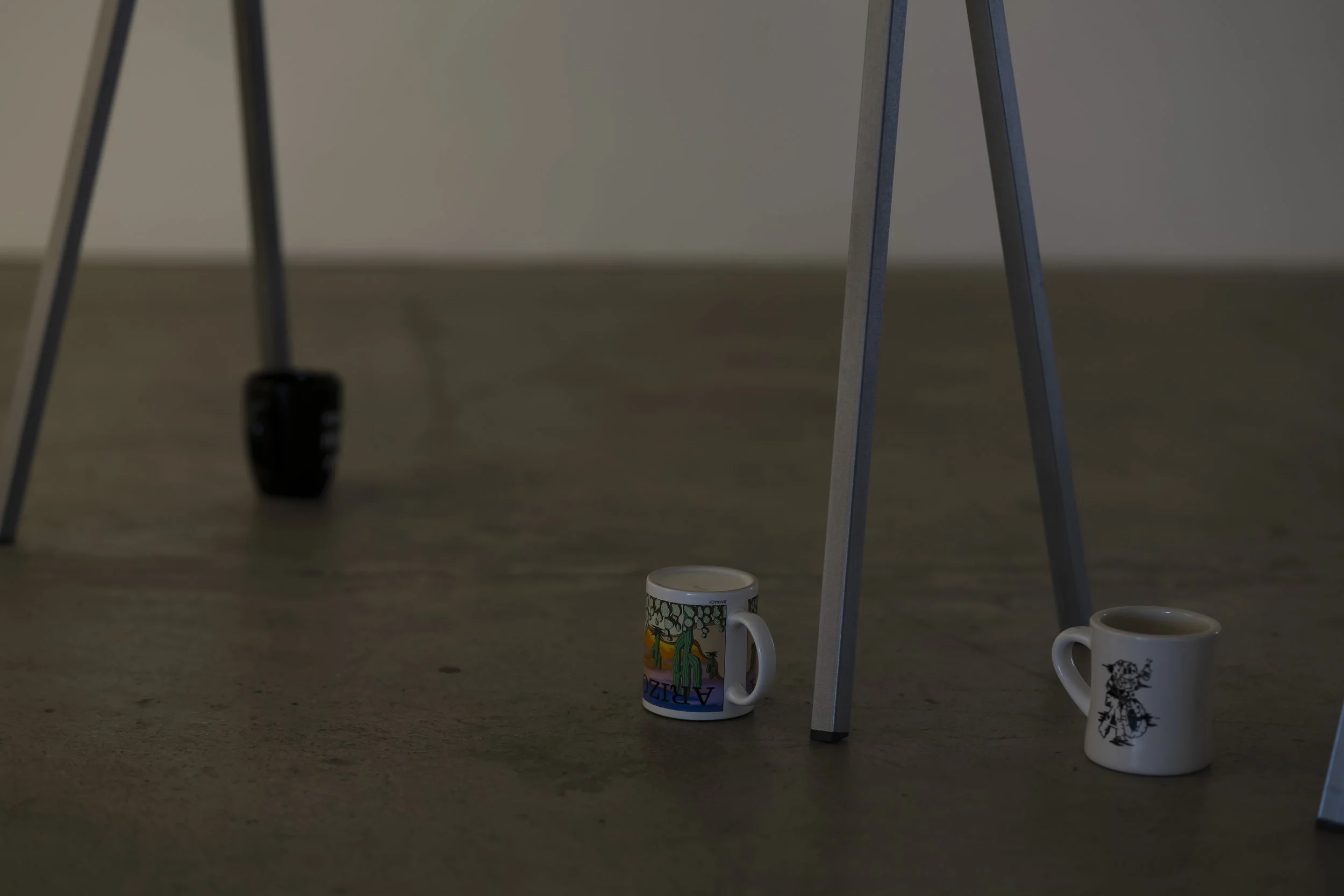
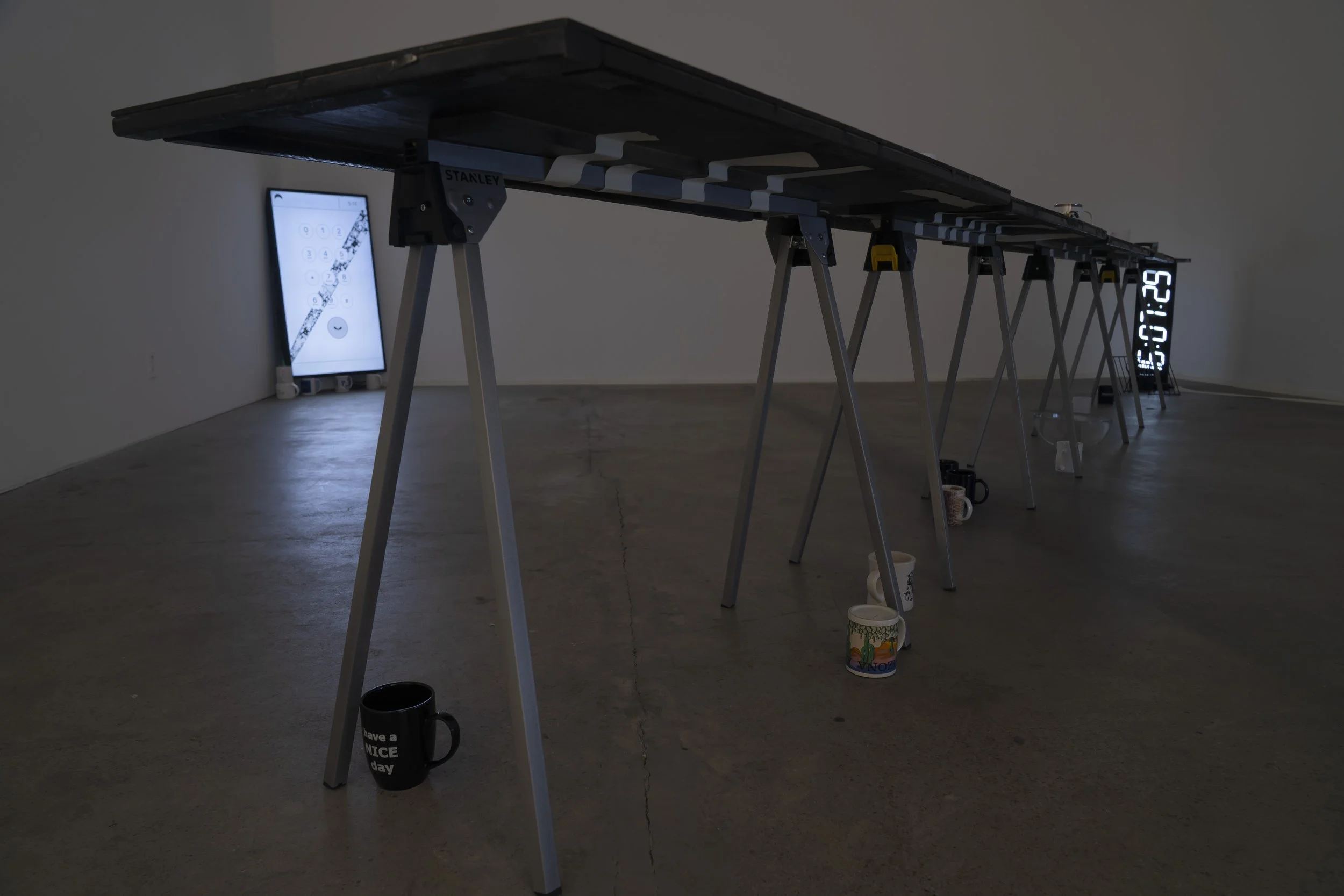
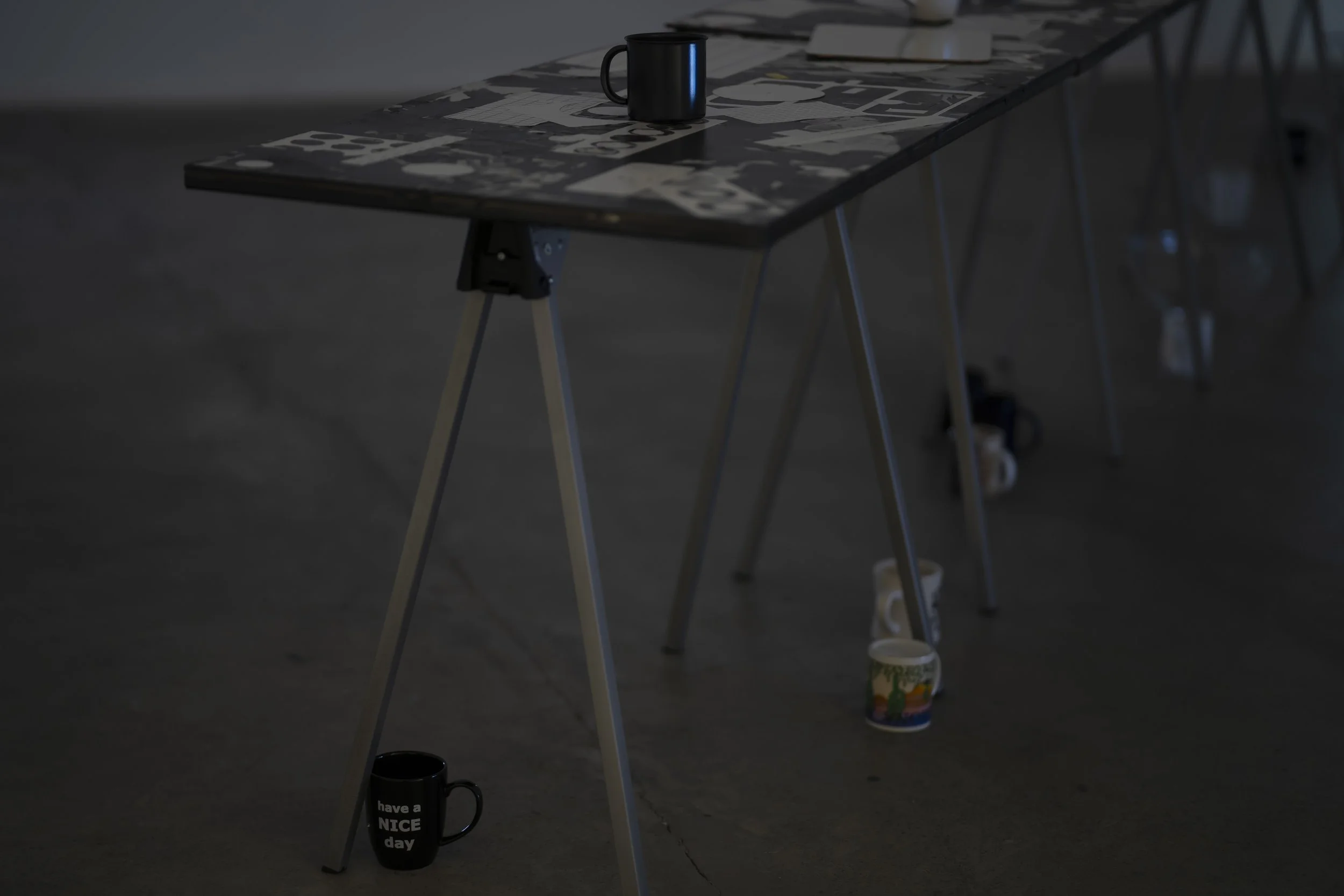
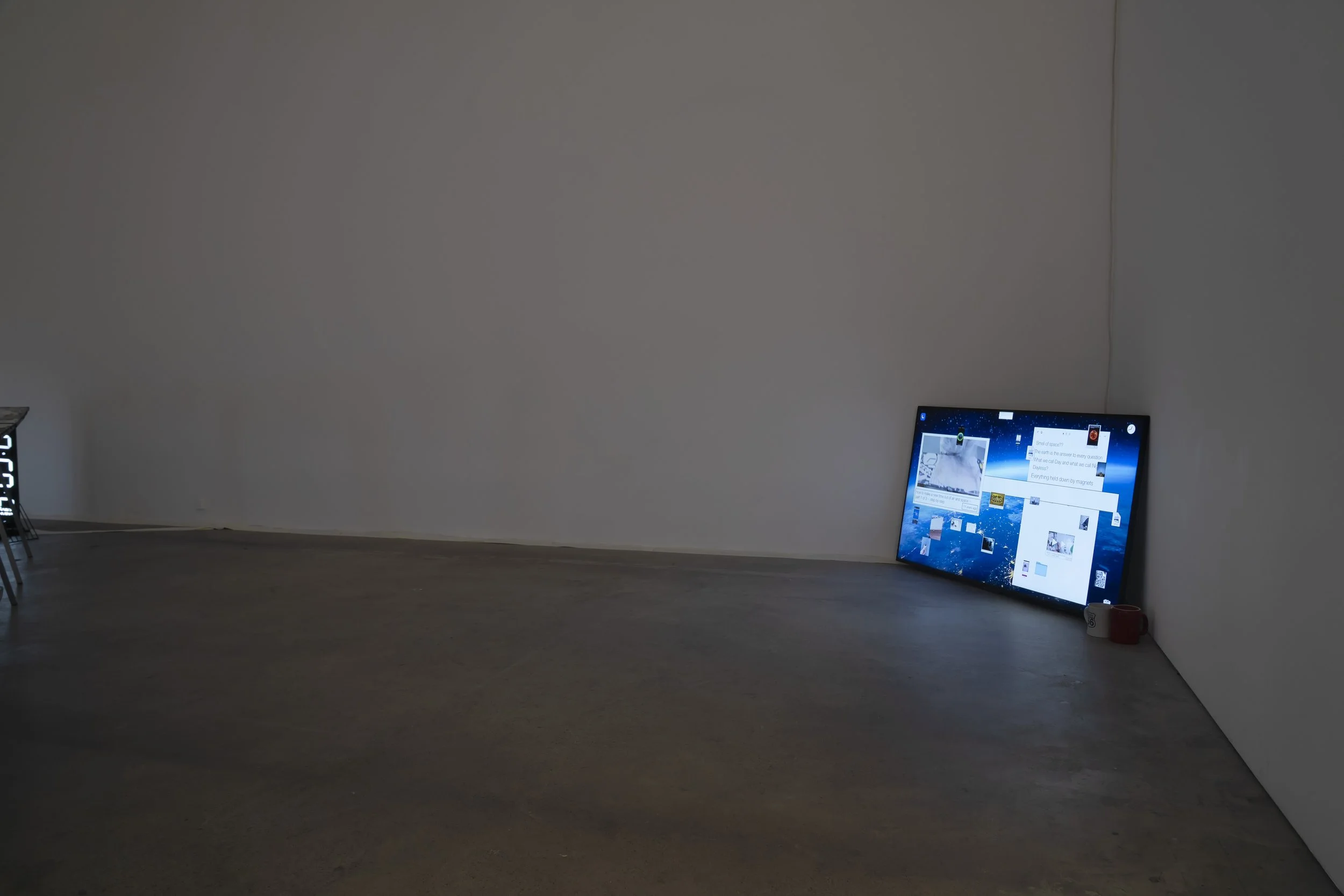
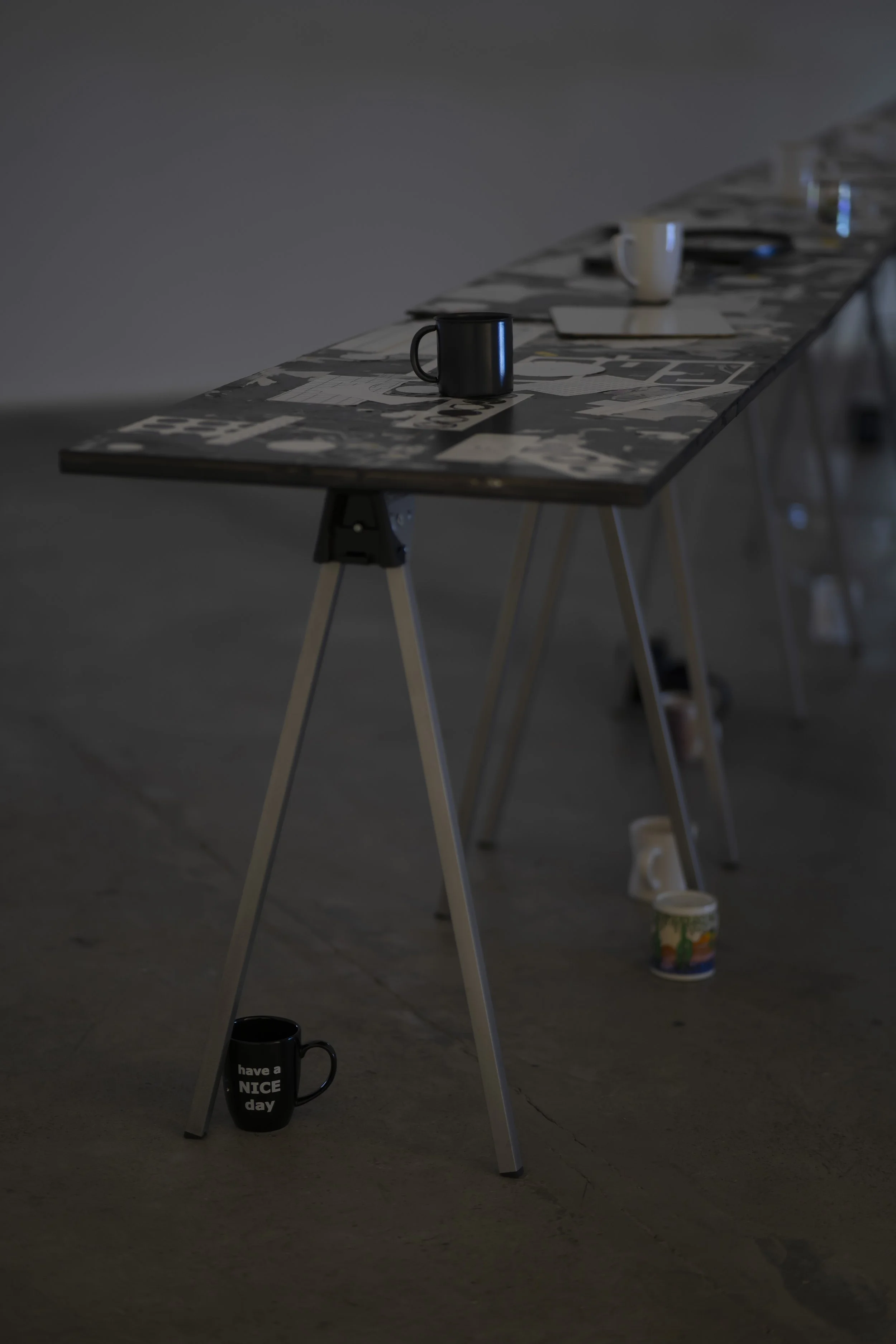
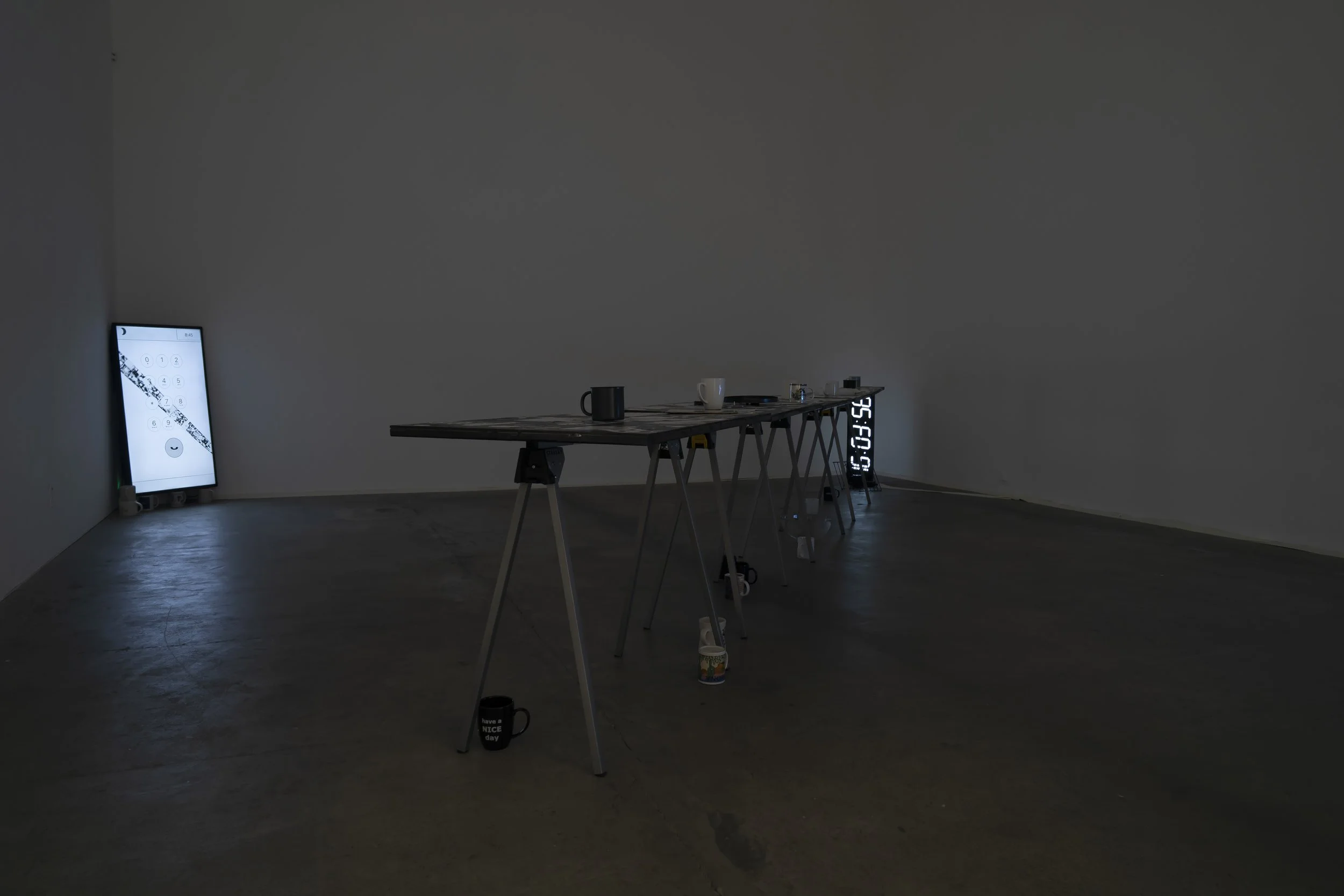
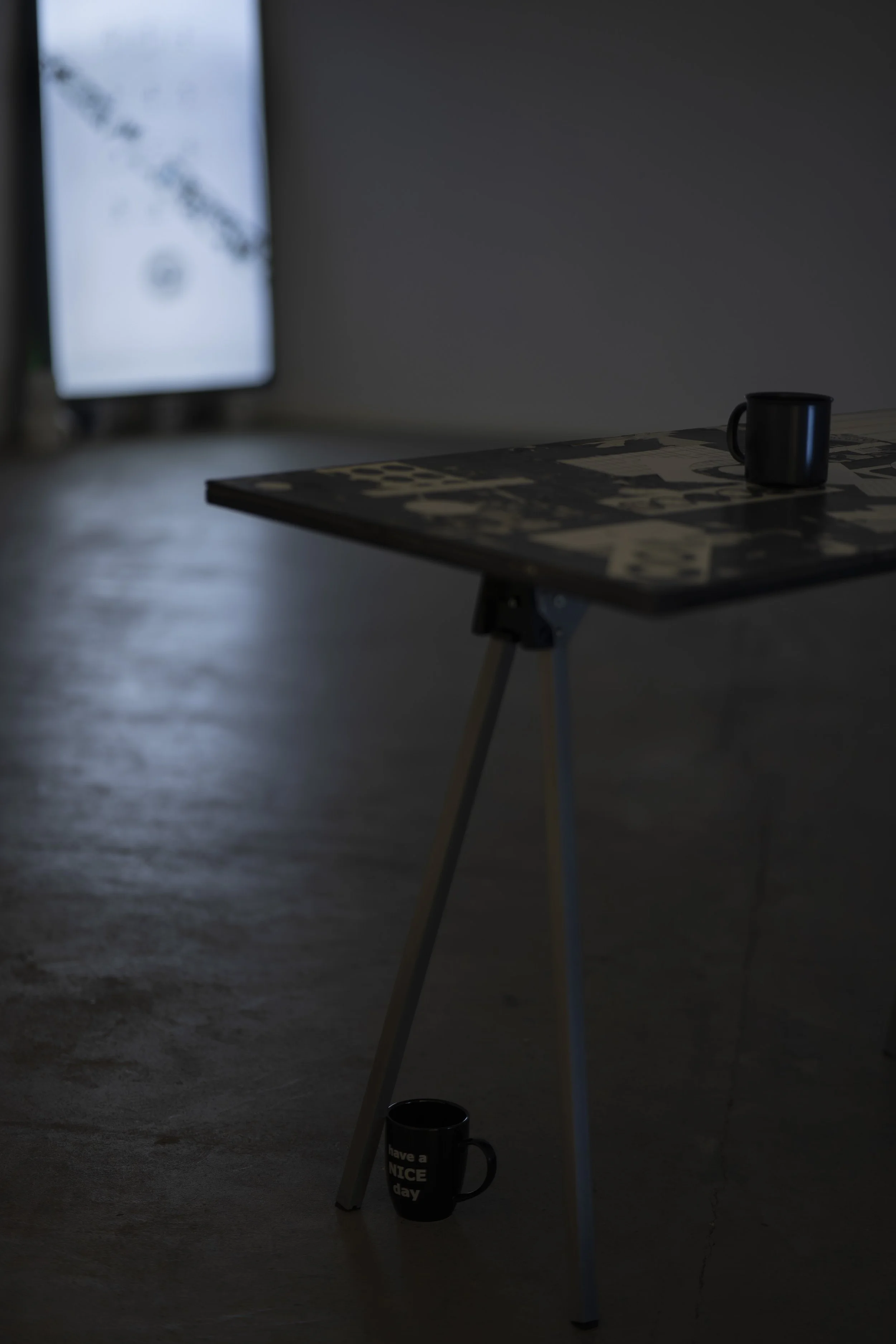
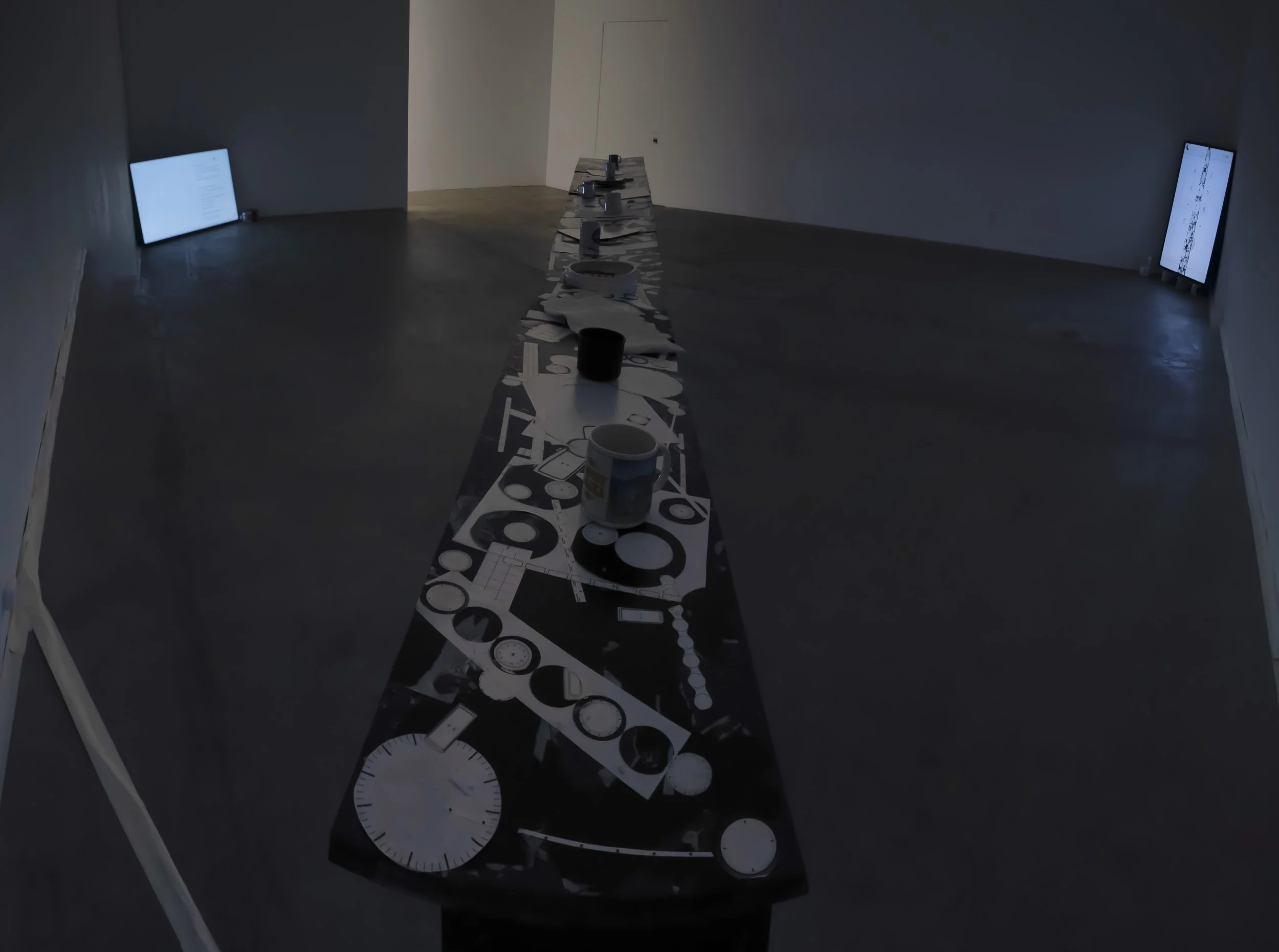
The video and related props in the installation, years ago, originated with these questions.
Images by Minoosh Zomorodinia